
An effective art inventory system is a cloud-based platform that centralizes cataloging, valuation, documentation, and movement tracking for every artwork in a collection. The recommended course of action for galleries, collectors, and artists is to adopt a dedicated system rather than spreadsheets, one that supports provenance records, structured valuations, Certificates of Authenticity, and loan tracking. Artworksoft is one practical option built specifically for this purpose.
TL;DR:
- A comprehensive art inventory system must include provenance, valuation, and condition records to support claims, sales, and estate documentation effectively.
- Regular updates of valuation reports every few years are essential, especially when market or artist prices shift significantly, supported by attached receipts and appraisals.
- Provenance records should encompass certificates, sales, exhibition history, and ownership chain details, stored using standardized formats and controlled vocabularies.
- Tracking location movements, loans, and condition checks over time requires real-time updates, formal loan agreements, and scheduled inspections with photographic evidence.
- Deployment should start with a small pilot, validate export/import formats, and establish clear data governance rules before full-scale migration to ensure data integrity.
Table of Contents
- What Should a Law Firm Art Inventory System Track?
- How Often Should You Update an Artwork’s Valuation?
- What Documents and Provenance Records Belong in the File?
- How Do You Track Movement, Loans, and Condition Over Time?
- How Do You Roll Out an Art Inventory System Without Losing Data?
- Why Legal-Quality Records Change How You Manage a Collection
- How Artworksoft Applies This Checklist in Practice
- Sources
What Should a Law Firm Art Inventory System Track?
A law firm art inventory approach treats every artwork record as a document that could someday support an insurance claim, an estate filing, or a sale. That standard shapes which fields and features actually matter.
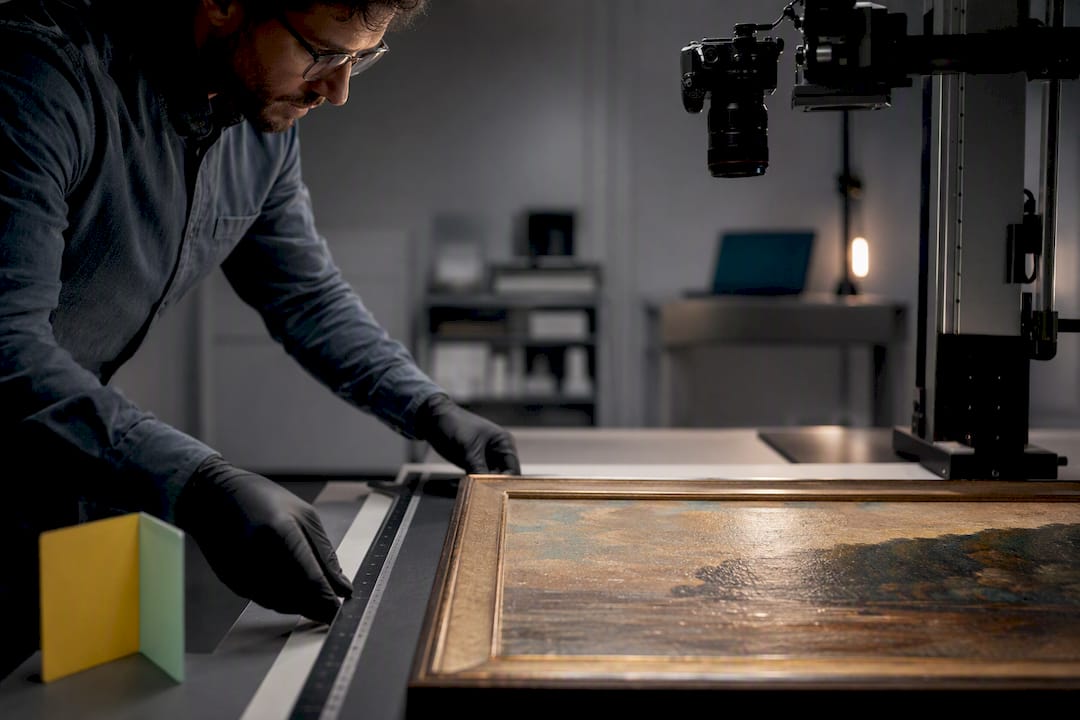
At minimum, each artwork record needs: artist name, title, medium, dimensions, provenance history, purchase documentation, current insurance value, condition reports, and high-resolution images from multiple angles. Missing any one of these creates a gap that surfaces at the worst possible moment, usually during a claim or a sale negotiation.
Beyond the artwork itself, the system needs relational linking. A record should connect the piece to its current owner, any active consignment, past exhibitions, transaction history, and its physical storage location. Without that web of connections, you end up managing five disconnected spreadsheets instead of one coherent record.
Look for these capabilities during evaluation:
- Document generation: automatic creation of Certificates of Authenticity, invoices, and PDF condition reports
- Mobile access: the ability to update records, snap photos, or check a location from a gallery floor or art fair booth
- Metadata standards: consistent file naming and controlled vocabularies so searches return complete results instead of fragments
- Backup policies: automated, redundant backups that protect against a single point of failure
- High-resolution image storage: collection management systems that link data, images, and reports into one unified digital record
Skipping any of these categories usually means rebuilding the system within a year or two, once the gaps become expensive.
How Often Should You Update an Artwork’s Valuation?
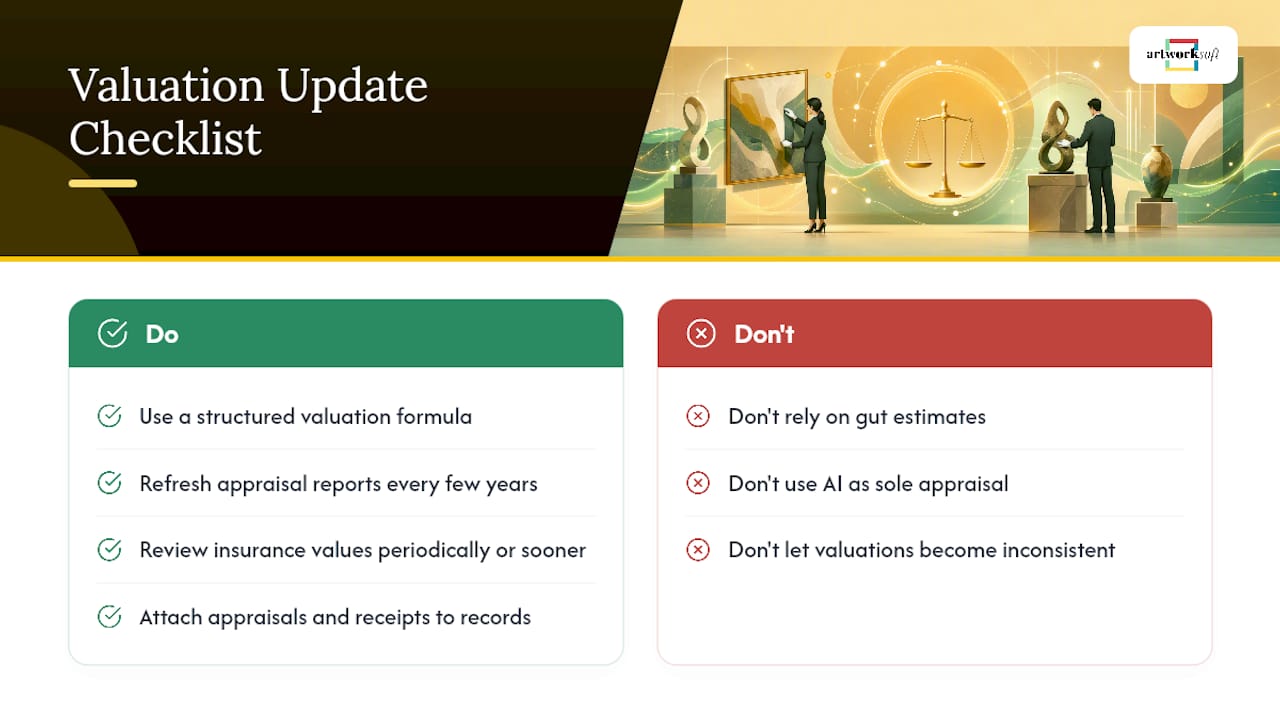
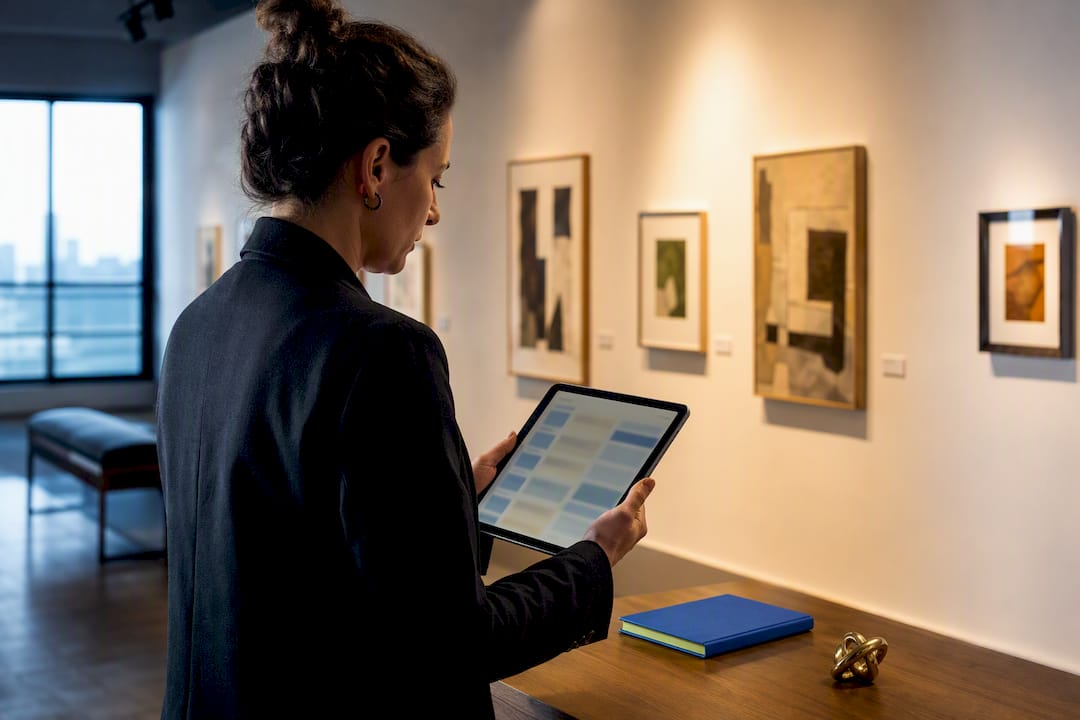
A structured valuation formula removes guesswork from pricing. Instead of estimating a number based on gut feeling, the system should pull from consistent inputs: comparable sales, medium, size, artist market trajectory, and condition. That structure matters because inconsistent valuations are one of the fastest ways to lose credibility with insurers, buyers, and tax authorities alike.
AI-assisted valuation tools speed up this research, but they function as a starting point, not a substitute for a qualified appraiser’s signature. Treat AI output as market research: useful for narrowing a range, insufficient for insurance underwriting or estate filings on its own.
Industry guidance is specific on timing. Professional appraisal reports should be refreshed regularly every few years to support tax and estate planning, while insurance values need periodic review every few years, or sooner if the artist’s market moves sharply.
Every appraisal report and purchase receipt should attach directly to the artwork record. When a tax authority or estate attorney asks for proof of value and acquisition cost, you should be able to produce it in minutes, not weeks.
What Documents and Provenance Records Belong in the File?
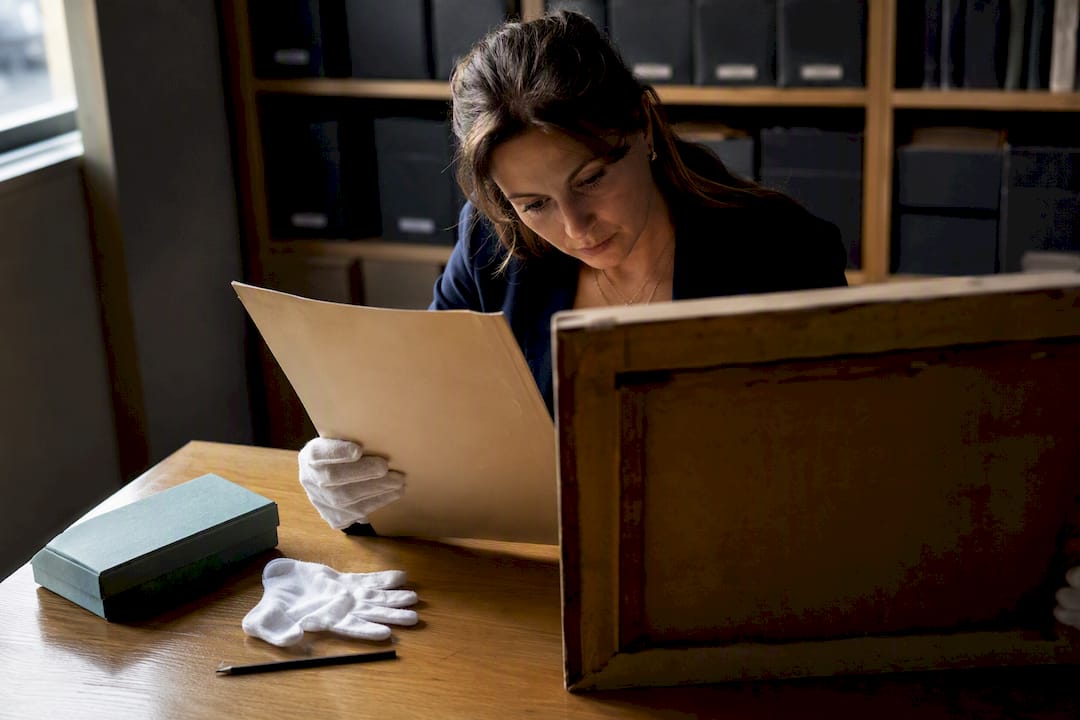
Provenance is the chain-of-ownership history that proves an artwork is what it claims to be, and it belongs in the same record as every supporting document. A complete file should hold:
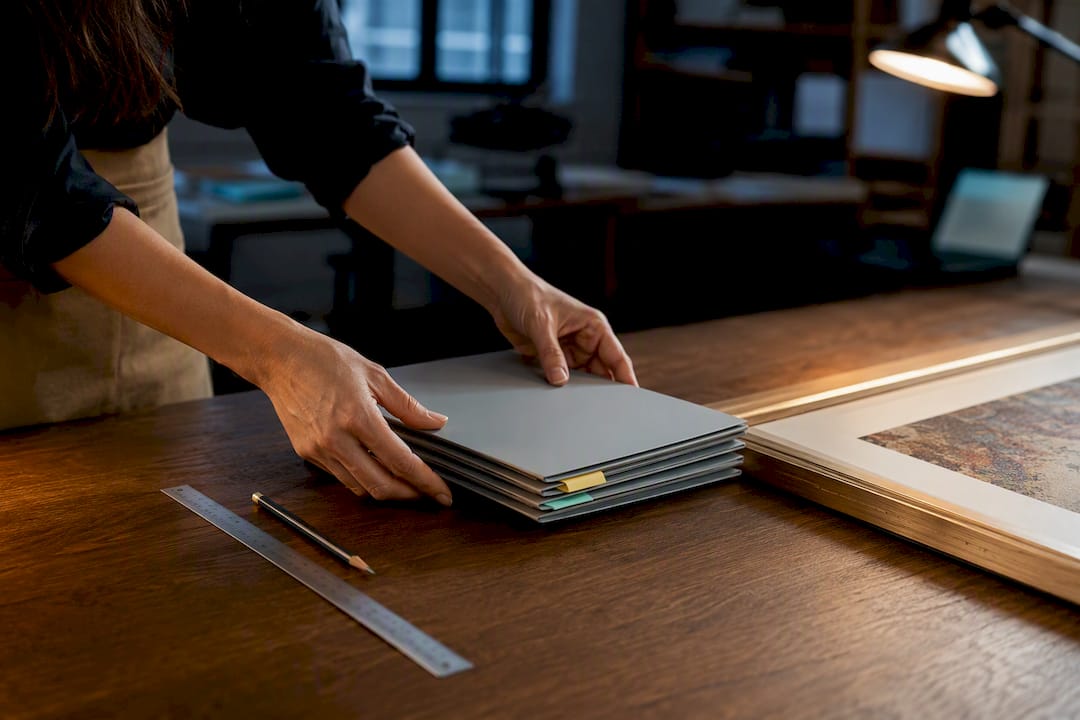
- Certificates of Authenticity and bills of sale
- Invoices and purchase receipts
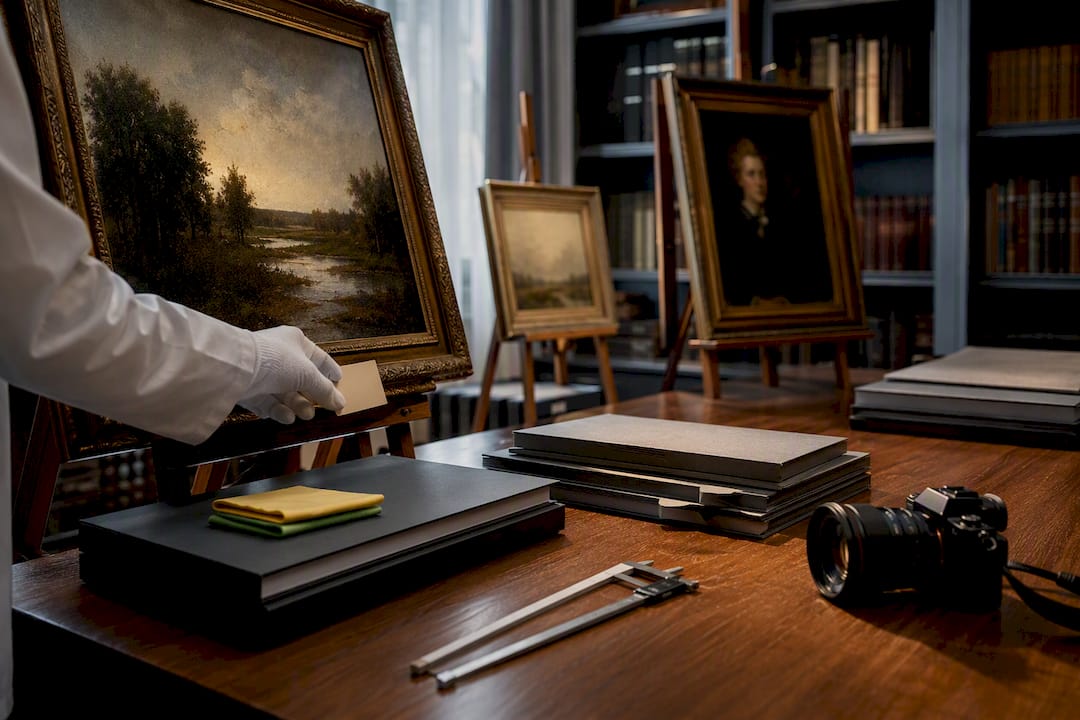
- Condition reports, including restoration and conservation records
- Exhibition histories and loan agreements
- Chain-of-ownership entries tied to dates and named parties
Provenance practice across the art world still varies widely from one institution to the next. Research on provenance documentation points to standardized data models and interoperable formats as the fix, because inconsistent recordkeeping is exactly what creates disputes and stalls sales years later.
Use controlled vocabularies for mediums, condition terms, and location names, and export data in formats that insurers, appraisers, or museums can actually open without a translation step. Access controls matter here too. Ownership details, purchase prices, and storage addresses are sensitive, and the system should let you restrict who sees what.
Pro Tip: Digitize provenance documents the day you acquire a piece, not the year you decide to sell it. A scan taken under good lighting today is worth more than a memory of “where that receipt went” five years from now.
How Do You Track Movement, Loans, and Condition Over Time?
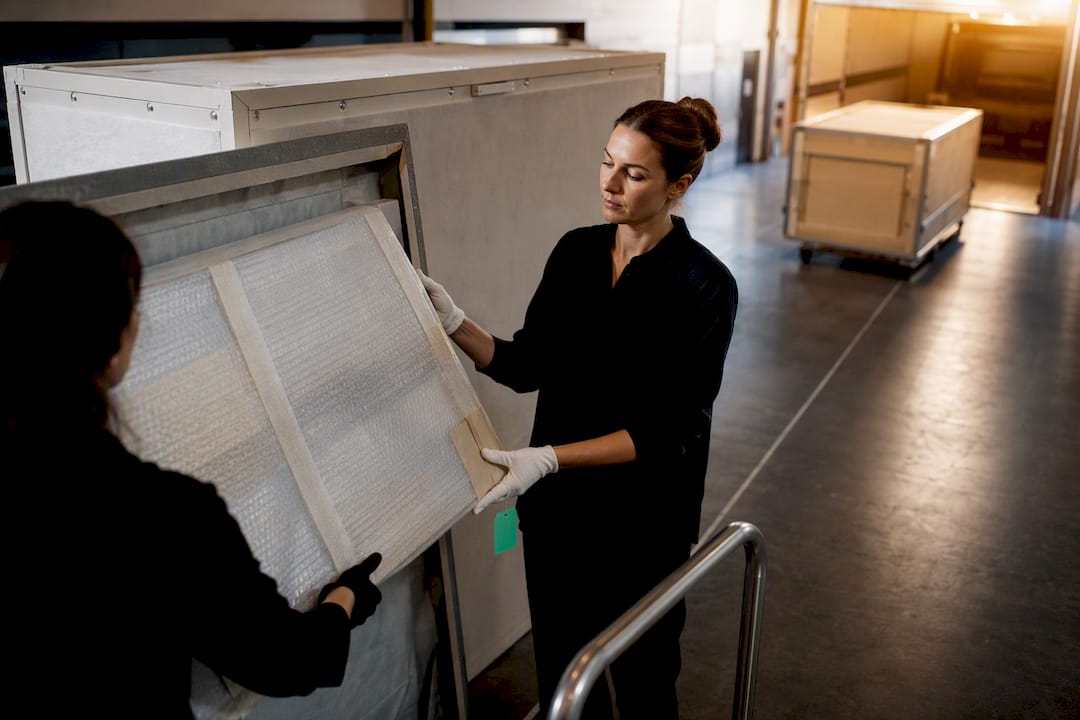
Location history is an audit trail, and every artwork should carry one. A gallery piece that moves from storage to a fair booth to a client’s home needs a timestamped record of each move, not a guess reconstructed after the fact.
- Log location changes in real time. Update the record the moment a piece leaves storage, arrives at a venue, or ships to a buyer.
- Document every loan formally. A loan agreement should specify who insures the piece, who covers transport costs, and the display conditions, with that agreement linked directly to the artwork’s file.
- Coordinate with shipment tracking. Whether you use in-house logistics or a fine art moving specialist, the system should reference the shipment or insurer confirmation number.
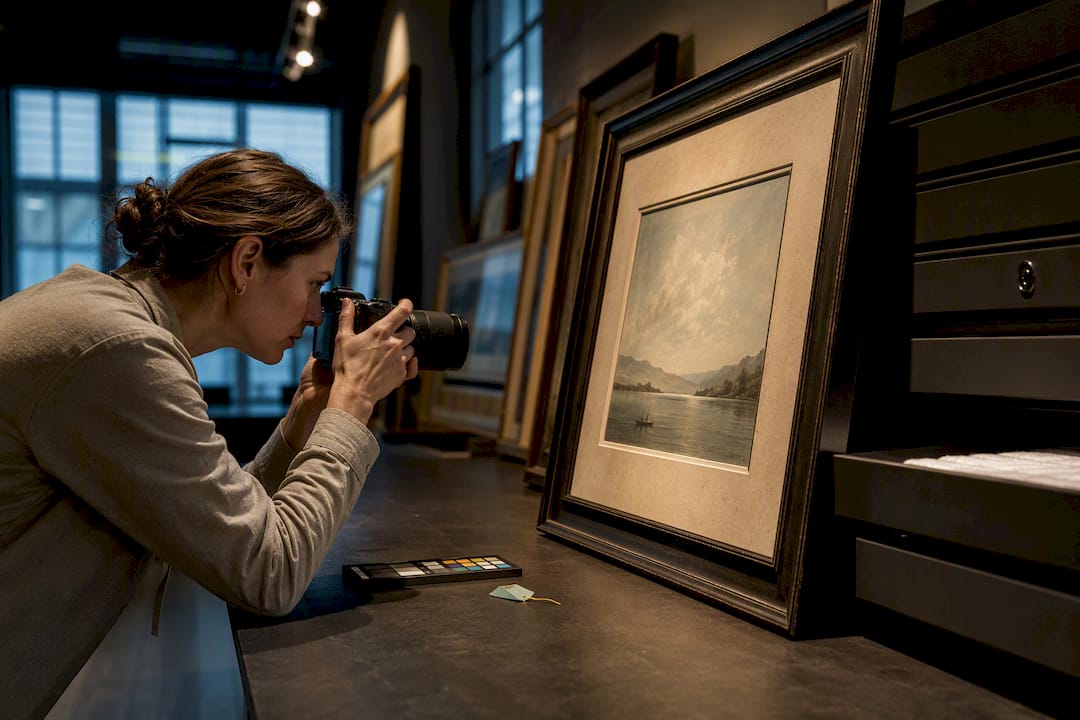
- Run condition checks on a schedule. Photograph and note condition before and after every loan or move, and version each report so you can see how a piece has changed over years, not just at the last inspection.
Platforms built for gallery operations increasingly combine location assignment, consignment tracking, and mobile access into a single workflow, which is the direction the whole category is heading.
How Do You Roll Out an Art Inventory System Without Losing Data?
Selecting and deploying a system works best as a staged process, not a single leap.
Evaluation checklist:
- Confirm the must-have fields: provenance, valuation, condition, location, and documents
- Check export and import formats before you commit
- Review user roles and permission levels
- Test mobile functionality on an actual phone, not just a demo video
- Verify document generation quality (COAs, invoices, reports)
- Compare pricing tiers against your actual artwork count, not a hypothetical one
Pilot plan:
Start with a representative sample, perhaps 25 to 50 pieces spanning different mediums and value tiers. Map your existing metadata fields to the new system’s structure. Run one test loan transaction and one test sale end to end. Generate a sample Certificate of Authenticity and a PDF report to confirm the output looks professional enough to hand a client.
Governance:
Document your naming conventions and controlled vocabularies before migration, not after. Set a backup schedule and a review cadence. Assign a single stakeholder responsible for data quality, and train every team member who touches records on the same conventions.
Pro Tip: Migrate your highest-value pieces last, not first. Work out the kinks on lower-stakes records so any early mistakes cost you nothing important.
Why Legal-Quality Records Change How You Manage a Collection
Most collectors and galleries underestimate how often an inventory record gets tested. It happens during an insurance claim after storage damage, during an estate filing when heirs need proof of value, and during a loan negotiation when a museum’s registrar asks for a condition history that predates the current owner. A record that looks fine on a gallery wall label often falls apart under any of these three tests.
The real tradeoff is between speed and fidelity. Simple systems let you add a piece in thirty seconds but capture almost nothing useful later. Systems built around structured fields take longer at intake and pay that time back tenfold the first time someone asks a hard question.
My practical recommendation: build the fields you cannot operate without first, provenance, valuation, and condition, then expand into exhibition history and loan management once the core habit is in place.
— Nealda
How Artworksoft Applies This Checklist in Practice
Artworksoft is built around the exact workflow this guide describes: organized artwork records, a structured valuation formula that removes guesswork from pricing, and Certificate of Authenticity generation that turns provenance data into a professional document in minutes. Movement tracking connects each piece to its owner, consignment, and location history without requiring a second spreadsheet. Community features add visibility for artists managing their own inventory alongside sales.
For a pilot run, Artworksoft supports importing a sample collection, generating documentation immediately, and testing mobile access from a gallery floor or fair booth, exactly the tasks outlined in the rollout checklist above. If you manage a growing collection and need a well-documented asset record rather than a folder of loose files, start with the free plan and import your first batch of artworks today.
Sources
- Sotheby’s and Forsters – An Owner’s Guide to Art – Part 3
- Estate planning tips for art collections and valuation
- Collection Management Checklist: Organize Your Art Collection | Passion4Art
- Cataloging and Documenting Art Collections: Best Practices