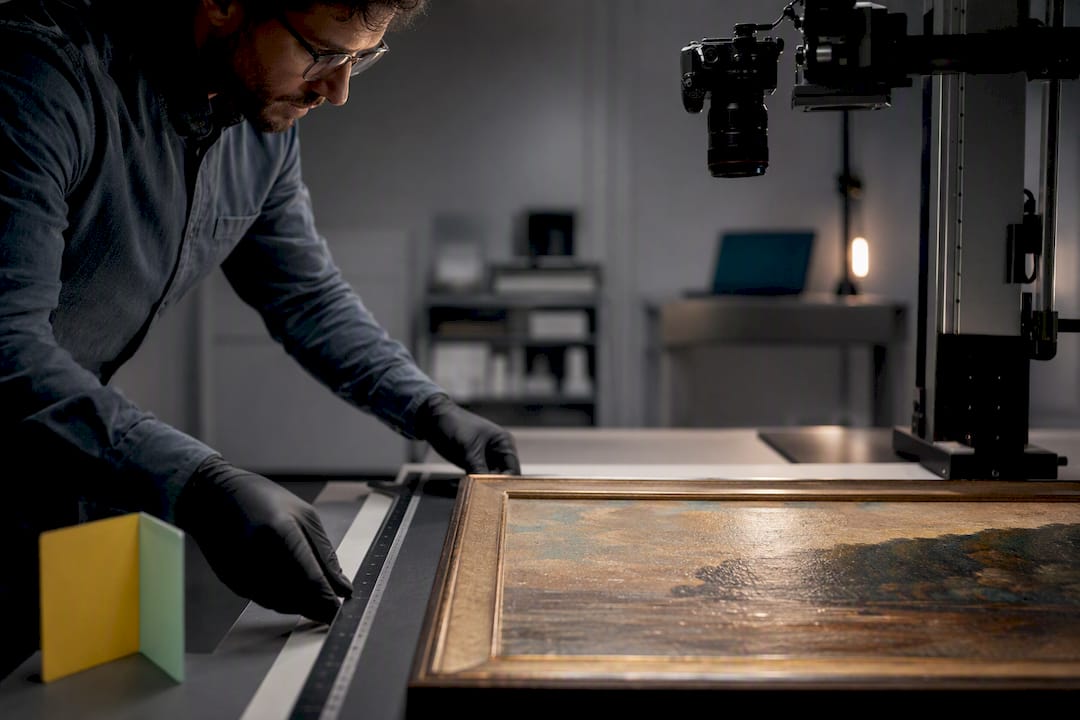

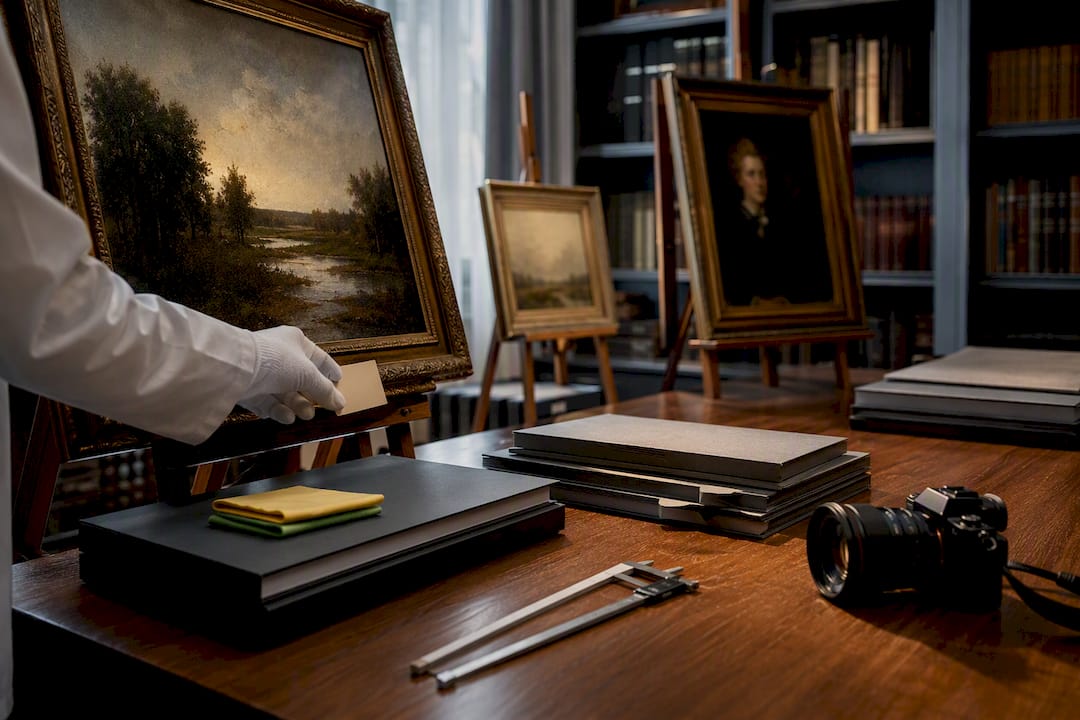
Start a structured digital catalog today. Prioritize five things for every piece: identity, provenance, images, location, and condition. Do a 30 to 60 minute inventory sprint on your highest-value works first, then scale the system with software built for the job, since spreadsheets stop working once a collection passes a few dozen pieces.
TL;DR:
- Use a structured digital catalog that captures identity, provenance, condition, location, and images to ensure accurate tracking of high-value art pieces.
- Prioritize recording provenance documents, certificates, and condition reports for high-value works to avoid reconstruction delays during valuations or appraisals.
- Break down records into edition-level and owned-item data to keep information proportionate and prevent confusion as the collection grows past fifty pieces.
- Regularly perform quarterly audits, update location and condition statuses, and schedule routine export routines to maintain an up-to-date, insurance-ready database.
- Choose management tools that support multiple images, condition histories, location flags, and easy export functions, with a focus on scalable solutions beyond simple spreadsheets.
Table of Contents
- What Fields Does an Art Inventory System Need?
- How Should You Structure Records and Recurring Workflows?
- Which Tools Actually Matter for Managing a Collection?
- What’s the Fastest Way to Move From Spreadsheets to a Real System?
- How Do You Use Your Catalog for Insurance and Estate Planning?
- How Does Artworksoft Implement This Checklist?
- Your First-Week Setup Checklist
- Comparing Digital Tools by Category
- Collector Perspective: What Good Records Actually Protect
- Start Organizing Your Collection With Artworksoft
- Sources
- FAQ
What Fields Does an Art Inventory System Need?
A reliable catalog records identity, ownership, condition, and value for every piece, and it supports clean exports when an insurer or appraiser comes calling, according to FindArtInfo’s cataloging framework. Skip a field now and you’ll be reconstructing it later from memory, which is exactly how provenance gaps happen.
Museum-standard cataloging, as outlined in Getty Research Institute guidance, stresses identity, condition, and provenance as the backbone of any record, with evidence added over time rather than overwritten. Private collectors don’t need full institutional rigor, but the same skeleton applies.
Your core fields, organized by function:
- Identity: artist, title, date, medium, dimensions, and edition or variant number.
- Acquisition: seller, invoice, acquisition date, and private purchase notes kept out of any public-facing view.
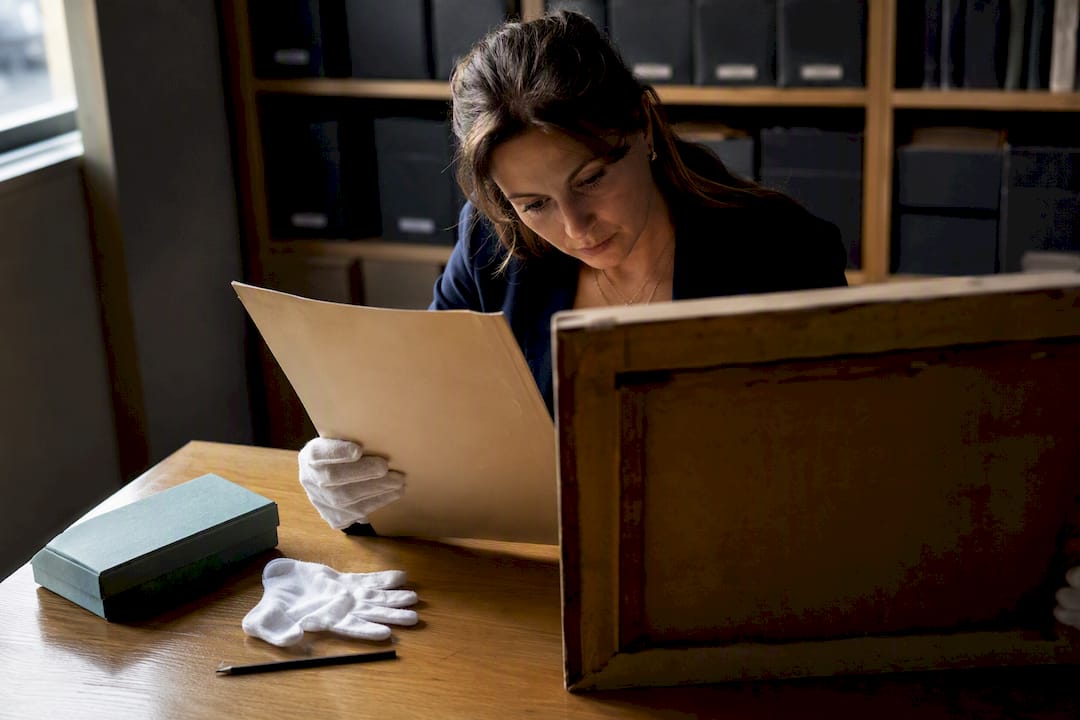
- Provenance and authenticity: Certificate of Authenticity, chain of ownership, authentication notes, and supporting documents.
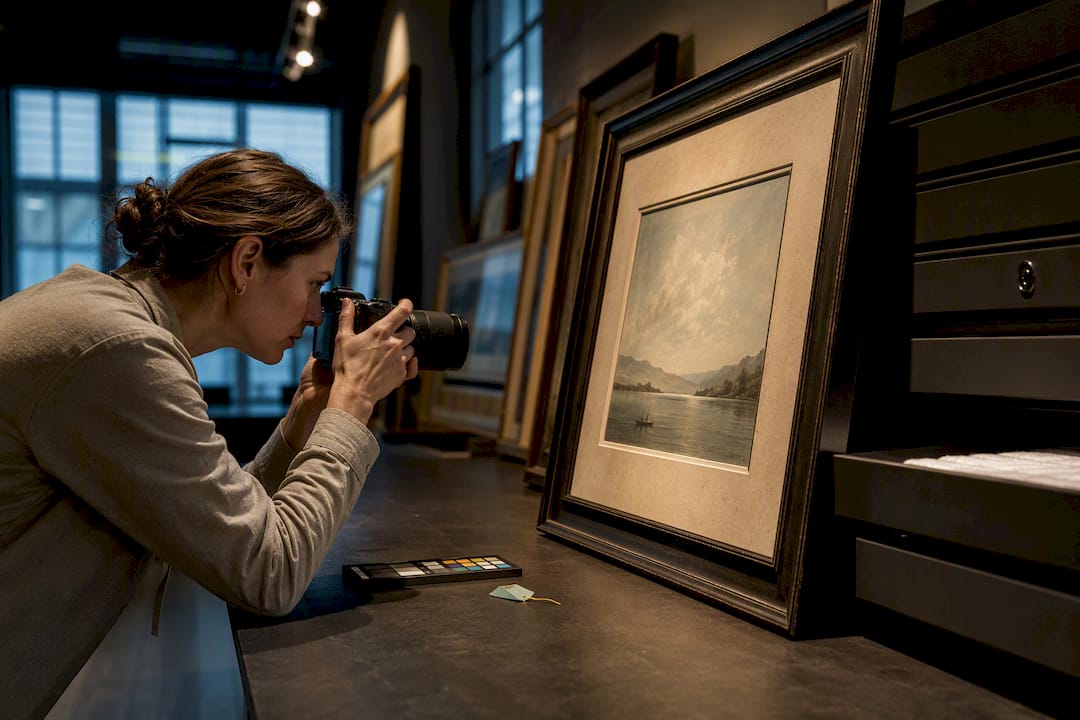
- Images: a full-frontal shot, close-up details, and the verso, each file named consistently with embedded metadata.
- Condition: a baseline report, dated entries, and a running restoration history.
- Location and status: a storage ID, room, and flags for on-loan or exhibited status.
- Valuation: last appraised value, valuation source or method, and the date it was set.
- Tags and collections: groupings by room, theme, or curatorial purpose for faster retrieval.
Pro Tip: Photograph the verso of every piece, not just the front. Labels, gallery stamps, and inscriptions on the back are often the strongest provenance evidence you have, and they’re the first thing an appraiser asks for.
How Should You Structure Records and Recurring Workflows?
Separate the “product” record (an edition or print run) from the “owned item” record (your specific numbered copy, with its own condition and history). Collectaneum’s collection management guidance recommends this split so shared data about an edition doesn’t get tangled with details unique to your copy. It also keeps records proportionate: a common object needs only essentials, while a high-value piece can carry as much evidence as you want to attach.
A workable structure and workflow looks like this:
- Assign a unique ID to every piece and label its physical storage location to match.
- Build sub-collections by room, by purpose (display versus storage), or by loan status.
- Capture essentials first during intake: artist, title, medium, dimensions, and a photo. Add provenance documents and appraisals afterward.
- Run quarterly audits to confirm locations, update condition notes, and catch anything that moved without a record.
- Define roles if more than one person touches the collection: who logs a new acquisition, who approves a valuation change, and who signs off on a loan.
This structure lets records grow in depth without becoming unclear, which is the exact failure mode of most spreadsheet systems once a collection exceeds fifty or so pieces.
Which Tools Actually Matter for Managing a Collection?
Tools generally fall into four categories: simple field-capture apps for quick photos and notes, full collection management platforms that handle the entire record lifecycle, market-data providers that track auction values, and logistics partners who manage physical movement. Most collectors need at least two of these working together.
When evaluating any platform, prioritize:
- Multi-image support with attached documents, not just a single thumbnail per piece.
- Condition history that logs changes over time instead of overwriting the last note.
- Location tracking that flags on-loan, in-storage, or exhibited status at a glance.
- Export to PDF and CSV for insurance submissions and appraisal packets.
- Bulk import so migrating from a spreadsheet doesn’t mean re-entering hundreds of rows by hand.
- Permission controls so purchase prices and private notes stay hidden from anyone with a shared or public view link.
Watch pricing structures closely. Some platforms cap the number of items per tier, others charge per user, and a few bundle onboarding as a separate service fee. Mobile apps built for quick field capture, the kind you’d find in an app store listing for collection tasks, work well for photographing pieces on the go, but they rarely replace a full system once your documentation needs grow.
What’s the Fastest Way to Move From Spreadsheets to a Real System?
You don’t need a weekend to fix a collection that took years to accumulate. You need a sequenced plan that front-loads your highest-risk items.
- Day 1: Pick a scope, usually your ten to twenty most valuable pieces, and photograph each one from the front, in detail, and from the back.
- Week 1: Bulk-import titles, artists, dates, and locations for the rest of the collection, then assign unique IDs and group items into initial collections.
- Month 1: Attach provenance documents and write baseline condition reports for every high-value piece identified on day one.
- Months 2 through 3: Finish the remaining records, run a full audit, and schedule recurring condition checks and export routines.
Prioritize by value or risk, not alphabetical order. A $200 print you bought at a fair can wait. A six-figure painting with a thin provenance trail cannot.
Pro Tip: Test a free tier before committing to a paid plan. Several platforms, including free mobile options on Google Play, let you validate your workflow on a small batch of items before you migrate the entire collection.
How Do You Use Your Catalog for Insurance and Estate Planning?
Insurers and appraisers typically request the same package: current photographs, a condition report, provenance documents, and a valuation with its source and date. If your catalog can’t produce that in a single export, you’re rebuilding it under deadline pressure, usually right when you need it most.
A reliable catalog supports exports for exactly this purpose, and some databases can refresh estimated market values against recent auction result data. That single feature saves hours compared to manually checking sale prices every time a value needs updating.
Practical routines worth adopting:
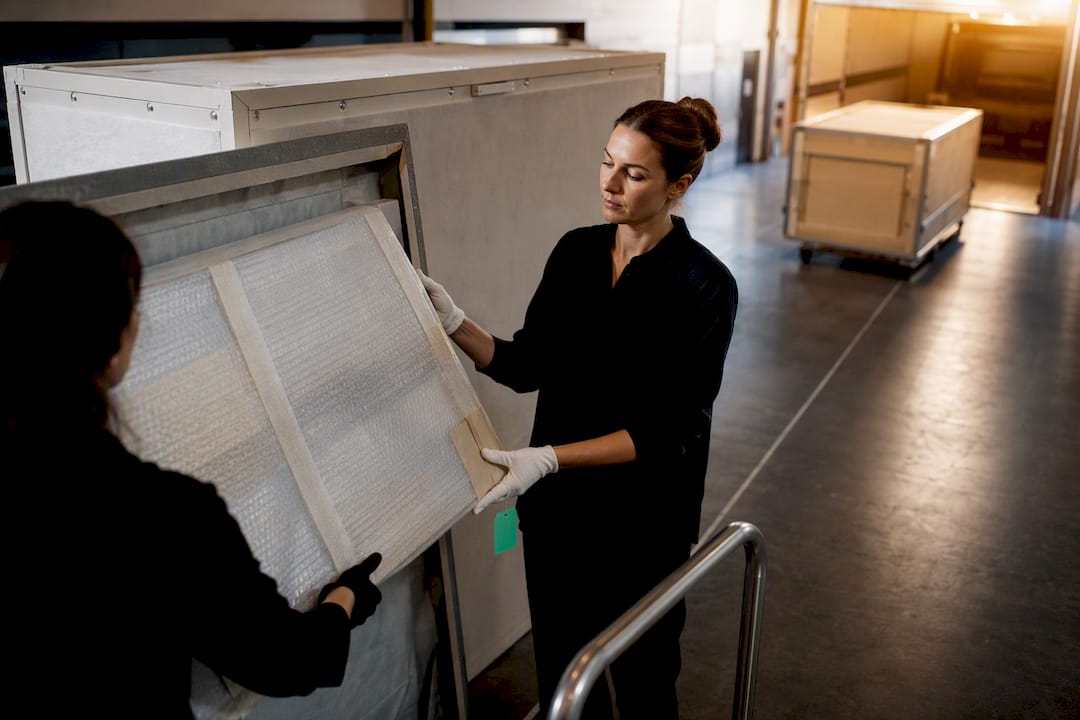
- Prepare a movement packet with a condition report before any piece leaves the premises for loan or transit, and work only with insured fine-art movers who verify USDOT registration and issue agreed-value contracts.
- Back up documents and images off-site, not just inside one software account.
- Refresh valuations on a fixed schedule, annually for actively traded categories, every few years for stable ones.
- Build an estate transfer checklist now: images, provenance chain, invoices, and condition history, so heirs or executors aren’t starting from zero.
Best-practice guides for private collectors consistently point to the same backbone: identity, provenance, condition, and consistent fields, reinforced by regular audits rather than a one-time cleanup.
How Does Artworksoft Implement This Checklist?
Artworksoft was built around the structure described in this guide: identity fields, provenance attachments, movement logs, and export-ready documentation, all connected instead of scattered across folders and spreadsheets.
A valuation formula aims to reduce guesswork in pricing by connecting artwork, location, and transaction history to help ensure details are not overlooked when a piece changes hands.
What the platform covers, relative to the checklist above:
- Structured records separating edition-level data from your specific owned item.
- Certificate of Authenticity generation and provenance documentation in one place.
- Movement and location tracking, from storage to on-loan to exhibited status.
- PDF and CSV export built for insurance and appraisal requests.
Collectors who want to build this themselves can start on the free plan. Those who’d rather hand off the migration entirely can use the onboarding and collection management service instead.
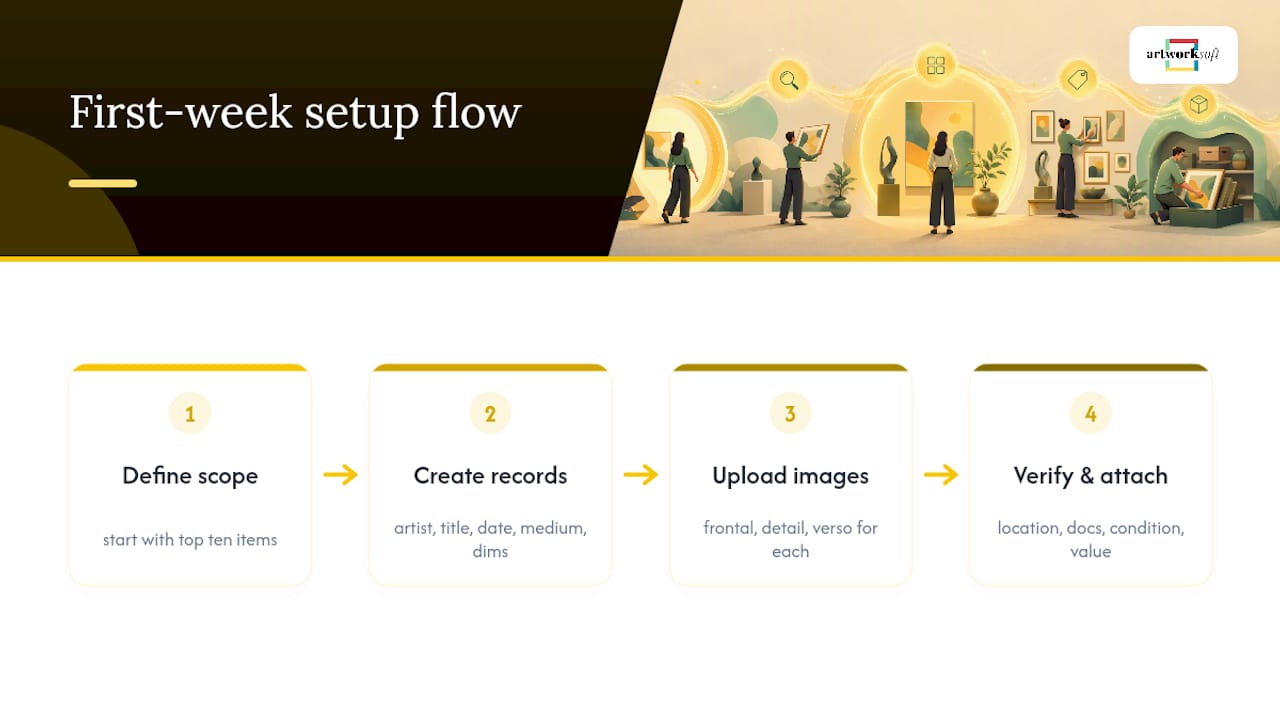
Your First-Week Setup Checklist
New users get the most value by following a fixed order rather than jumping between tasks. Skipping steps here is how records end up half-finished for months.
Step 1: Define scope. Decide which pieces go in first, usually the highest-value or highest-risk items in the collection.
Step 2: Create your artist and title records. Enter the identity fields for each piece: artist, title, date, medium, and dimensions.
Step 3: Upload images. Add a full-frontal shot, a detail shot, and a verso image for every entry before moving to the next piece.
Step 4: Assign location and status. Tag each item with its storage location and flag whether it’s on display, in storage, on loan, or in transit.
Step 5: Attach documents. Upload invoices, Certificates of Authenticity, and any provenance notes you already have on file.
Step 6: Set a baseline condition report. Write a short, dated note on the current physical state of the piece, even if it’s just “no visible issues observed.”
Step 7: Enter valuation data. Record the last known value, the source of that estimate, and the date it was set.
Step 8: Set permissions. Decide who can view purchase prices and private notes before sharing any collection view externally.
Follow these steps for your top ten items first. Momentum matters more than completeness on day one.
Comparing Digital Tools by Category
No single label fits every collector, so it helps to compare by category rather than by brand name.
| Category | Best for | Typical pricing shape | Watch for |
|---|---|---|---|
| Simple field-capture apps | Quick photo logging on the go | Free or low-cost per-user tiers | Limited document storage, weak export options |
| Full collection management platforms | Ongoing documentation, provenance, and reporting | Monthly subscription, sometimes per-item caps | Onboarding time, feature depth versus cost |
| Market-data providers | Tracking auction-based value estimates | Subscription or per-lookup fees | Coverage gaps for less-traded artists |
| Logistics and movement partners | Transit, loans, and condition documentation during moves | Project-based or per-move pricing | Insurance terms, agreed-value contracts |
For most private collectors, a full management platform paired with occasional use of a logistics partner covers the bulk of real-world needs. Field-capture apps are useful as a stopgap, not a long-term system, since they rarely retain condition history or support insurance-grade exports.
Collector Perspective: What Good Records Actually Protect
A collector once found a provenance gap only after a sale fell through, the buyer’s due diligence caught what a casual owner never would have. Heirs and appraisers inherit whatever documentation exists, nothing more. A structured record transfers cleanly; a shoebox of receipts does not. Audit one storage area this week. Start there.
— Nealda
Start Organizing Your Collection With Artworksoft
Spreadsheets and folder systems break down the moment a collection needs to prove its provenance to an insurer, a buyer, or an heir. Artworksoft replaces that fragility with a single connected system built for exactly this: artwork records, locations, and transactions linked together, plus a structured valuation formula that removes the guesswork from pricing.
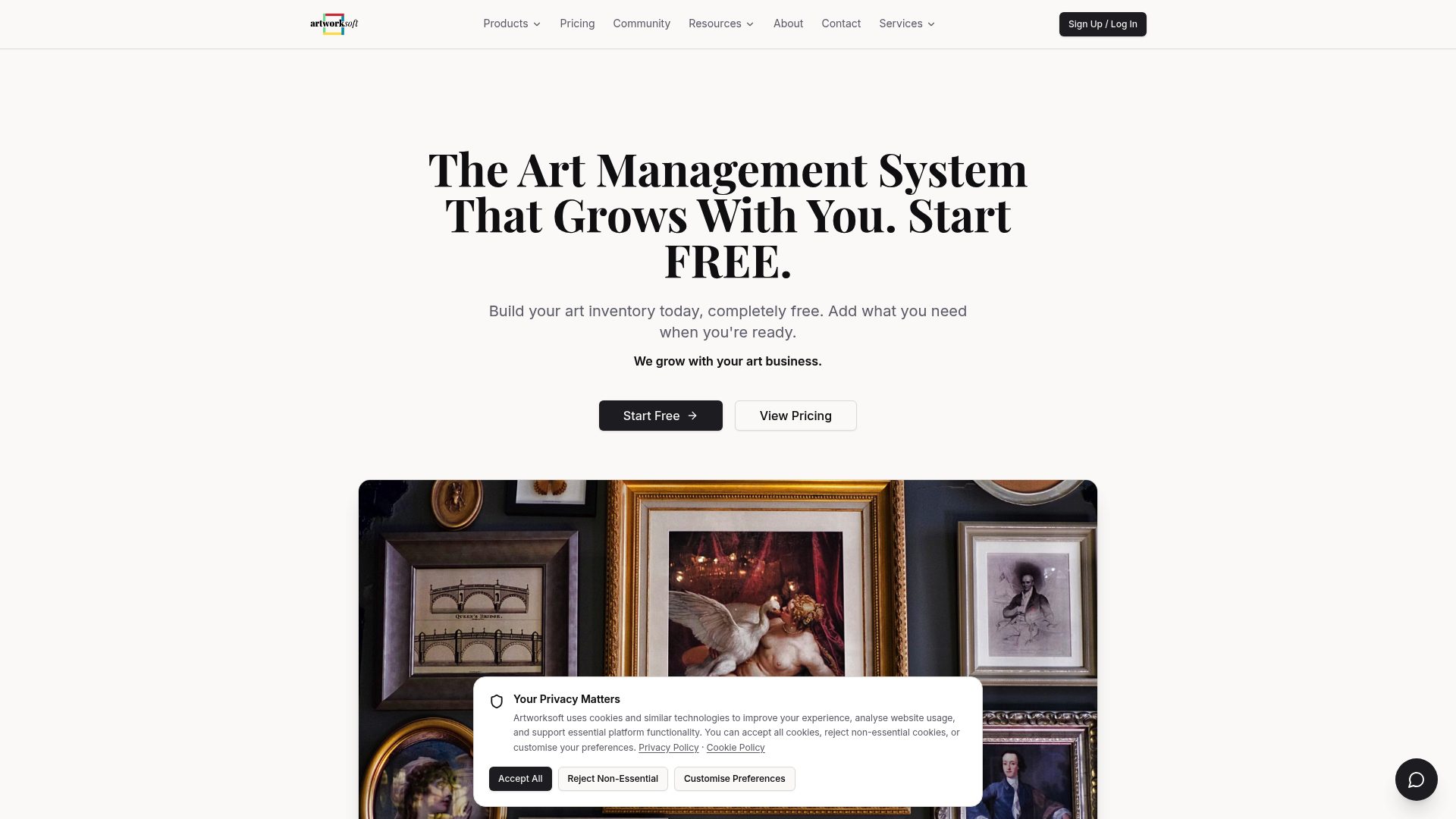
Here’s what that means in practice for a collection you’re organizing right now:
- Structured records for identity, provenance, condition, and location in one place.
- Certificate of Authenticity and PDF export ready when insurers or appraisers ask.
- Movement and loan tracking so nothing goes missing between storage and exhibition.
If you want to try it yourself first, the free plan is the fastest way to catalog your top ten pieces this week. If you’d rather hand off the migration entirely, the onboarding and collection management service will build the system for you.
Sources
- The Getty Research Institute — collections documentation guidance
- FindArtInfo — Art collection management
- ArtBusinessNews — Best practices for organizing and cataloging artwork
FAQ
How Do You Organize an Art Collection?
Start with a structured digital catalog covering identity, provenance, images, location, and condition for each piece. Prioritize your highest-value items first, migrate the rest through a bulk import, and run quarterly audits to keep records accurate.
What Is the 70/30 Rule in Art?
Definitions of this rule vary across the industry, and no single standard applies universally. Rather than rely on an unverified ratio, focus on documenting every piece with consistent fields, since consistency matters more than any fixed proportion.
What Type of Art Is in High Demand Right Now?
Demand shifts by category and artist, and no single source in this guide tracks live market trends. What stays constant is that well-documented pieces, with clear provenance and condition history, sell and insure more easily regardless of category.
What Is an Art Collection Called?
A group of artworks owned by one person or institution is simply called an art collection, or a private collection when held by an individual rather than a museum. Larger, catalogued holdings are sometimes referred to as an inventory or a corpus of work.
Does Artworksoft Have a Free Plan?
Yes, Artworksoft offers a Free Plan alongside its Provenance Plan, which starts from $5 per month. Both let you build a structured catalog with the identity, provenance, and location fields covered in this guide.