
Use a dedicated art inventory system and standardized hotel workflows, not spreadsheets, to protect provenance, simplify insurance, and reduce maintenance time. Hotel art inventory management covers cataloging, condition tracking, valuation, and movement logs for every piece on a property. A platform like Artworksoft handles valuation formulas, movement tracking, and Certificates of Authenticity in one record. The rest of this guide covers the metadata checklist, operational workflows, audit cadence, and a pilot timeline for rolling it out.
TL;DR:
- Using a dedicated art inventory system ensures accurate provenance, structured valuation, and easy movement tracking, unlike spreadsheets that often lose data or become inconsistent.
- Consistent metadata including high-resolution photos, certificates, and location history must be entered before installation to prevent loss of provenance and facilitate future audits.
- Regular audits with detailed condition reports and third-party appraisals are essential to maintain trust in the collection and are significantly more efficient with specialized software.
- Portfolio-wide scaling should begin with a pilot at one property, emphasizing a centralized catalog and proper permission settings before expanding across multiple locations.
- Art-specific management platforms like Artworksoft outperform general hotel tools by offering full movement tracking, certificate generation, structured valuations, and PDF reports ready for insurance claims.
Table of Contents
- What Hotel Art Inventory Management Actually Covers
- What Metadata and Documents Should You Track for Each Piece?
- How Do You Manage Art From Acquisition to Deaccession?
- How Often Should Hotels Audit Their Art Collections?
- How Do You Scale Art Inventory Across Multiple Properties?
- What Should You Require From an Art-Management System?
- How Do You Start an Art Inventory Pilot in 8 Steps?
- What Hotels Get Wrong About Art Inventory
- Try Artworksoft for Your Property’s Art Collection
- Sources
- FAQ
What Hotel Art Inventory Management Actually Covers
Art inventory management sits at the intersection of curation and operations. It owns cataloging, provenance records, condition history, movement tracking, and insurance documentation for every piece a property owns or displays. What it does not own is general facility assets like furniture or electronics, which belong in the property management system (PMS) or a facilities tool.
The boundary matters because mixing the two creates confusion during audits and claims. Centralized digital catalogs with high-resolution images and full documentation protect the investment and support both insurance claims and marketing use when a property wants to showcase its collection to guests or press, as procurement case studies on multi-property hotel groups show.
Typical scenarios that belong in an art system:
- Acquiring a new commissioned piece for a lobby renovation
- Rotating art between a guest room and a storage vault during a refurbishment
- Loaning a signature piece to a gallery or another property for a temporary exhibit
- Tracking a piece through insurance appraisal after a water damage incident
What Metadata and Documents Should You Track for Each Piece?
Every artwork record needs a consistent set of fields, or the catalog becomes unusable the moment more than one person enters data. At minimum, track title, artist, medium, dimensions, edition number (if applicable), provenance history, an internal accession number, the acquisition invoice, current insured value, and current location.
Documentation standards that matter:
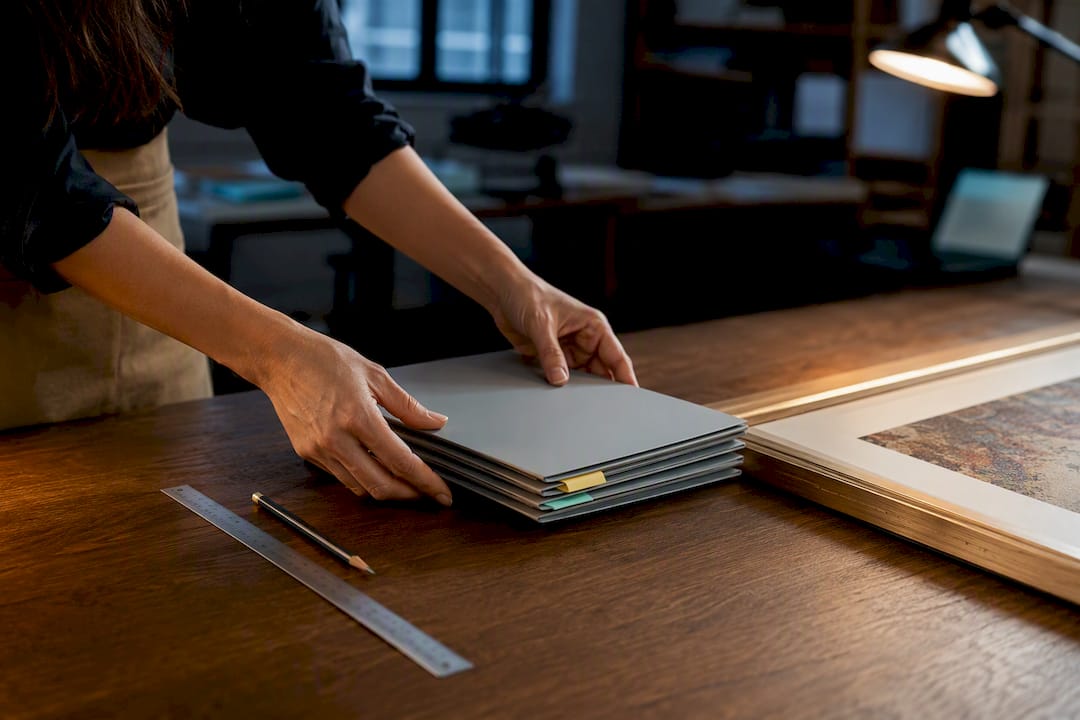
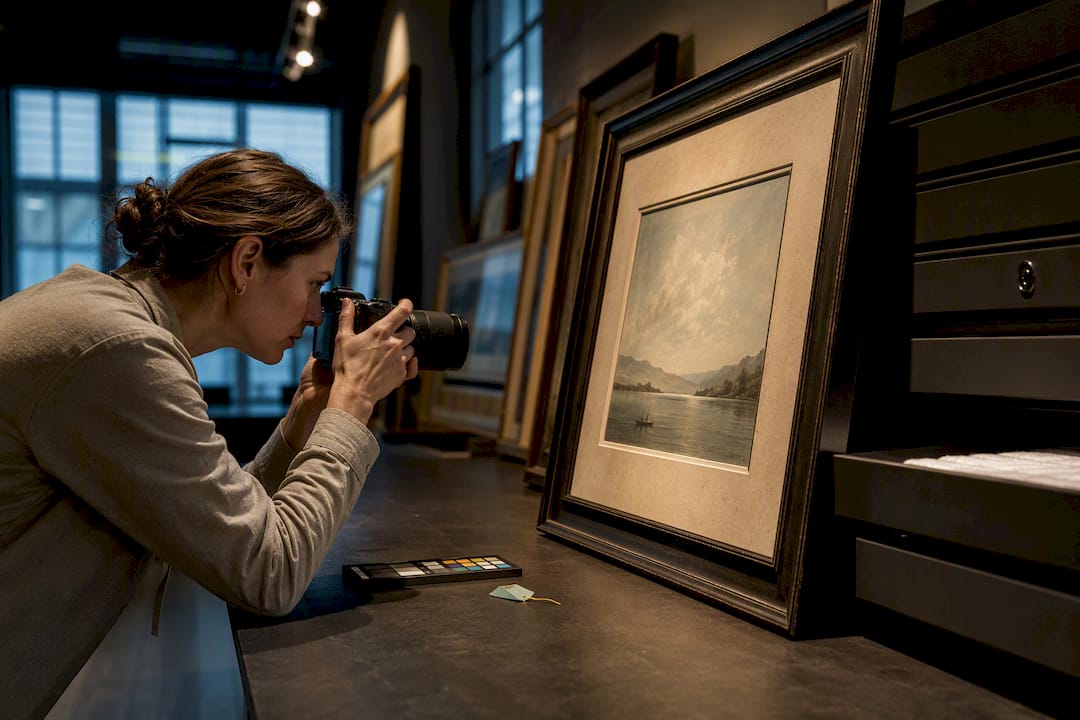
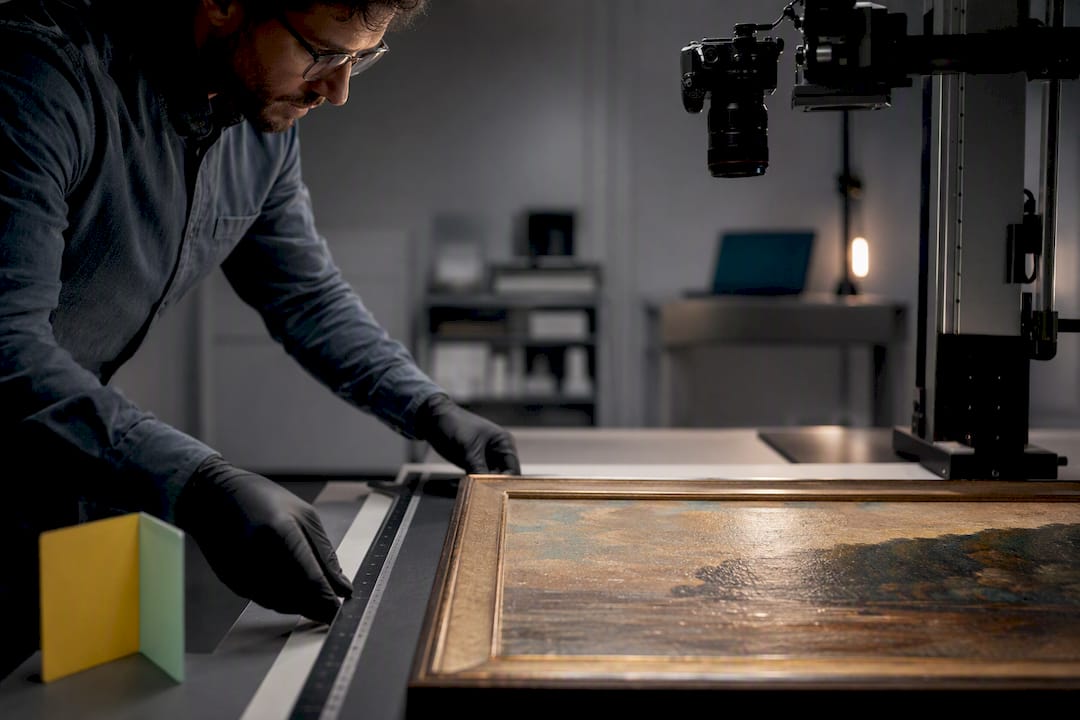
- High-resolution photographs from multiple angles, including any signature, edition mark, or condition flaw
- A Certificate of Authenticity or provenance chain for higher-value pieces
- The original purchase or commission invoice, stored alongside the artwork record
- A location field that updates every time the piece moves, not just at acquisition
Location tracking deserves its own habit. Every move, whether from storage to a guest floor or between properties for a rotating exhibit, needs a timestamped entry noting who moved it, where it went, and why.
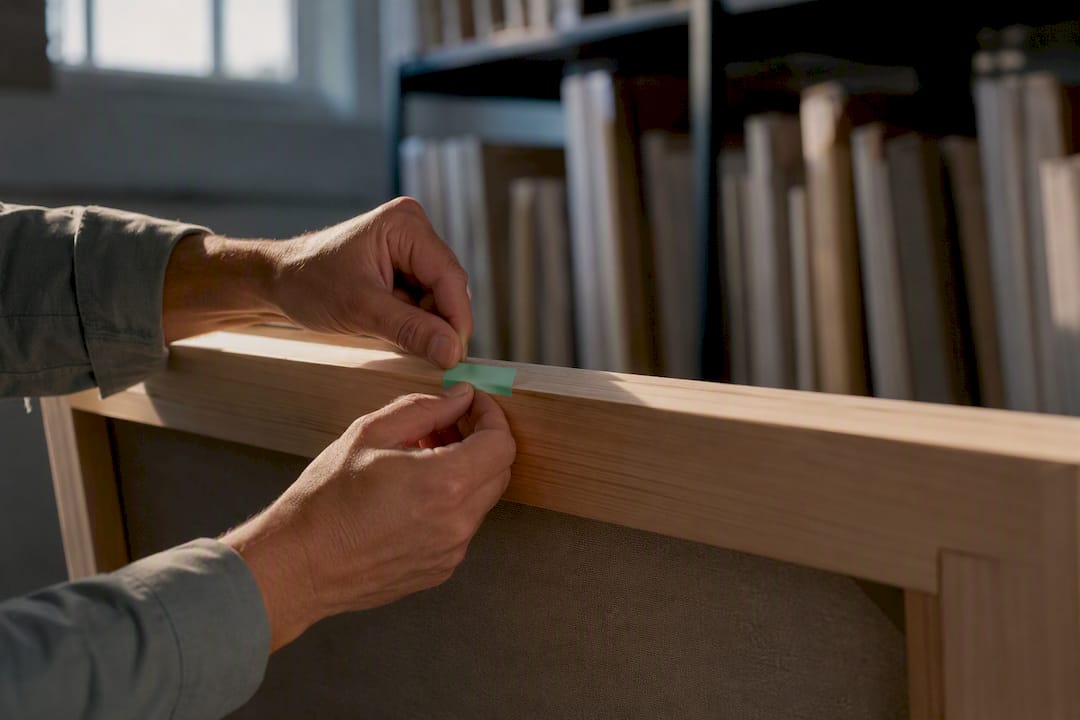
Pro Tip: Assign every artwork an accession number the day it arrives, before it ever touches a wall. Retrofitting numbers onto a collection that has already been hung is where most hotels lose track of provenance.
Consolidating scattered records into one searchable catalog is the same principle that cuts inventory time across F&B, housekeeping, and retail stock when hotels move from disconnected spreadsheets to a single platform. Art collections see the same benefit: a piece that used to take twenty minutes to locate in a shared drive now takes seconds.
How Do You Manage Art From Acquisition to Deaccession?
Replacing ad hoc tracking with a repeatable process is what turns a pile of receipts into a functioning asset register. The sequence below works for a single lobby commission or a portfolio-wide rollout.
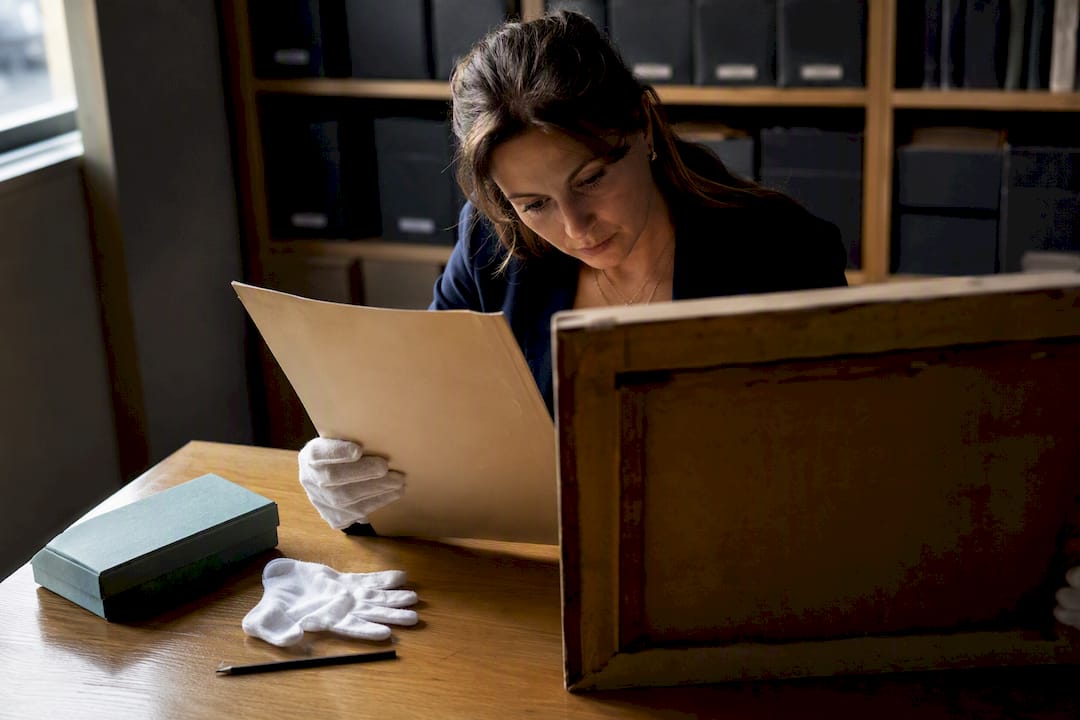
- Intake: Confirm the invoice, provenance documents, and any Certificate of Authenticity arrive with the piece before it leaves receiving.
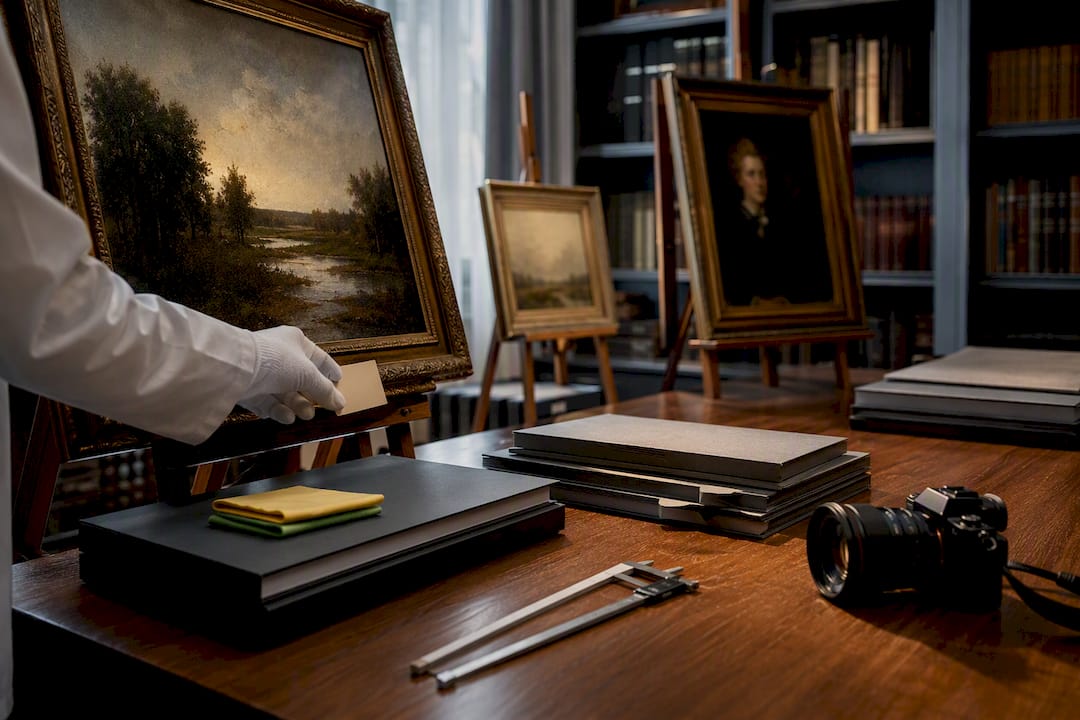
- Tag and photograph: Assign the accession number, photograph the piece from multiple angles, and log condition notes on arrival.
- Storage: Hold the piece in climate-controlled storage until placement is confirmed, logging the storage location in the system.
- Installation: Follow a mounting checklist that accounts for wall type, lighting, and placement within a series so adjacent rooms don’t duplicate the same image.
- Ongoing logging: Record every movement, cleaning, and condition check as a dated entry tied to the artwork record.
- Deaccession: When a piece is sold, damaged beyond repair, or retired, close the record with a final disposition note and date.
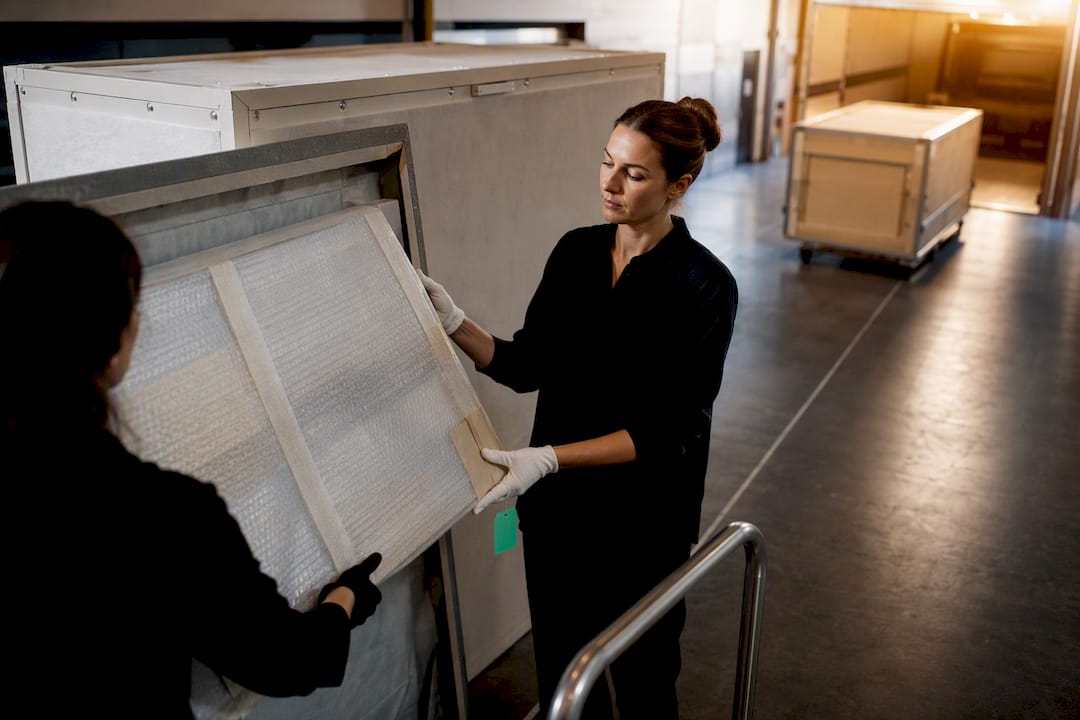
Quality management for hotel art requires this kind of integrated workflow. Procurement and installation guidance for hospitality collections stresses that framing, transport, and handover all need documented checkpoints, not verbal handoffs between vendors and property staff.
How Often Should Hotels Audit Their Art Collections?
Audit cadence is where most hotel art programs quietly fail. A collection that isn’t checked regularly drifts out of sync with its records over time, and by the time a claim or renovation forces a recount, trust in the numbers diminishes.
Recommended schedules often include regular full audits, periodic spot checks of key pieces, and audits following major events like renovations or incidents.
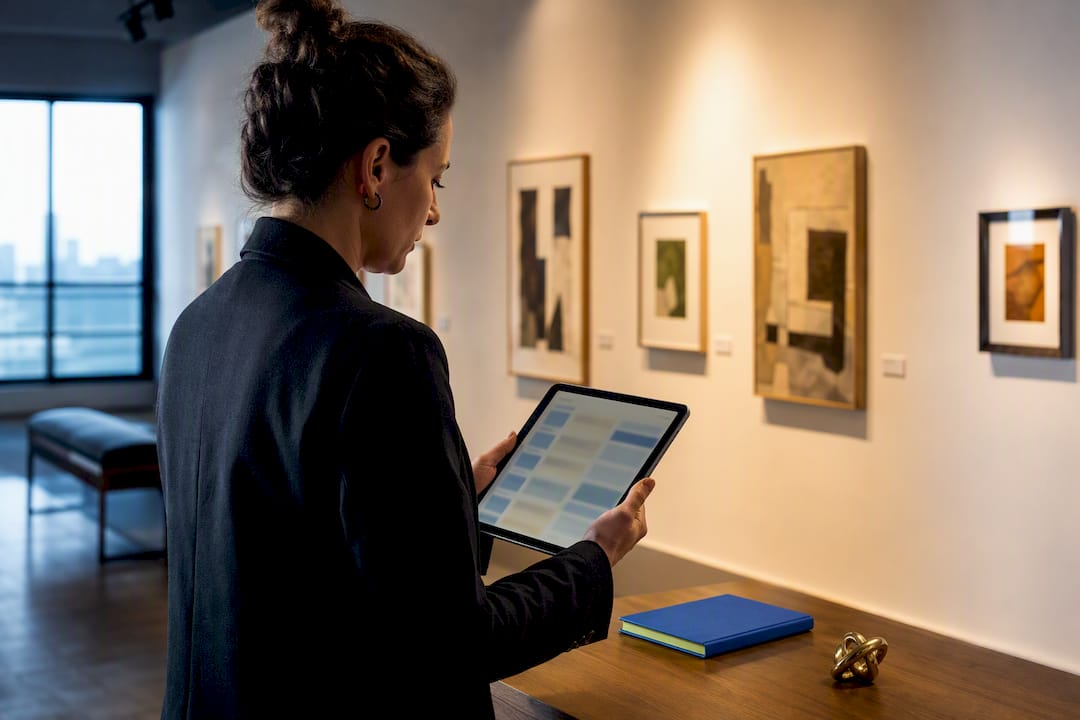
A condition report should include dated photographs, a written description of any change since the last check, and the name of the person who conducted the review. Formal third-party appraisals make sense every few years for higher-value pieces, or any time a piece’s insured value hasn’t been reviewed since acquisition. Consolidated inventory platforms have been shown to cut inventory time by up to 80 percent and return more than 20 hours a month to hotel teams once counts move off spreadsheets, and the same efficiency applies directly to art audits run on a dedicated system.
How Do You Scale Art Inventory Across Multiple Properties?
Rolling out an art inventory system portfolio-wide works best when it starts small. Pick one property, define what success looks like (complete records for every piece, a working audit cycle, staff comfortable with the tool), and set a realistic timeline before expanding.
The data model matters as much as the pilot itself:
- A centralized catalog holds every artwork record regardless of which property owns it
- Property tags let regional managers filter to their own collection without losing visibility for corporate reporting
- A location tree (property > floor > room > wall) keeps movement logs precise even as the portfolio grows
Permissions should mirror this structure. Property-level staff need edit access to their own records; regional or corporate roles need read access across properties for reporting roll-ups. Piloting one room type or one property before a full rollout, the same logic that governs procurement decisions for wall art programs keeps the data model clean before it scales to dozens of properties.
What Should You Require From an Art-Management System?
General hotel inventory software tracks quantities and costs. It was never built to hold edition numbers, provenance chains, or certificate management, which is why fine-art metadata routinely falls through the cracks when hotels try to force art into a facilities tool.
An art-specific platform should include:
- Movement tracking with a full location history per piece
- Certificate of Authenticity generation, not just a scanned PDF stored separately
- A structured valuation method rather than a manual guess entered into a spreadsheet cell
- Professional PDF documentation (invoices, condition reports, insurance schedules)
- Multi-location support with property-level and portfolio-level reporting
Artworksoft is built around exactly this set of needs: it connects artwork records to locations and transactions, applies a structured valuation formula, and generates Certificates of Authenticity and movement logs from the same record. Specialized platforms built for this purpose consistently outperform general operations software on auditability and insurance readiness, since they carry the fields a fine-art collection actually needs.
Pro Tip: Before adopting any system, check whether it can generate an insurance-ready PDF report directly from the artwork record. If a platform requires manual reformatting for your insurer, it will slow down every claim.
How Do You Start an Art Inventory Pilot in 8 Steps?
A pilot needs a defined scope and an owner before anyone opens a spreadsheet or a new software account. The sequence below fits inside an 8 to 12 week window for a single property.
- Define scope: one property, one collection, or one wing to start
- Assign an owner responsible for data quality and training
- Lock the required metadata fields before entering any records
- Photograph every piece in the pilot scope
- Import existing records (invoices, prior appraisals, old spreadsheets)
- Run the pilot for 6 to 8 weeks with the assigned owner logging movements
- Conduct a full audit at the end of the pilot window
- Train the broader team once the audit confirms clean data
Measure success with three numbers: audit completion rate, time saved searching for a piece’s location or history, and whether the insurance schedule now matches the actual collection. A pilot that hits all three is ready to expand to the next property.
What Hotels Get Wrong About Art Inventory
Spreadsheets fail hotels the same way every time: one person owns the file, that person leaves, and the next manager inherits a document with three different naming conventions and no photos. I’ve seen the pattern repeat across properties that swore their tracking was “good enough” until an insurance claim forced them to prove a piece’s provenance and value in writing.
What changes after a hotel adopts a dedicated system isn’t just organization. It’s confidence, knowing a claim, an appraisal, or a corporate audit can be answered in minutes instead of days. The one habit worth building early: treat every curatorial decision, where a series goes, how rooms are grouped, as an inventory decision too. The two are the same record, not two separate jobs.
— Nealda
Try Artworksoft for Your Property’s Art Collection
Spreadsheets and general facilities tools leave fine-art metadata behind: no edition tracking, no certificate management, no structured valuation. Artworksoft closes that gap for hotels managing a lobby commission, a full guest floor rotation, or a multi-property collection, connecting each artwork record to its location, valuation history, and transaction record in one place.
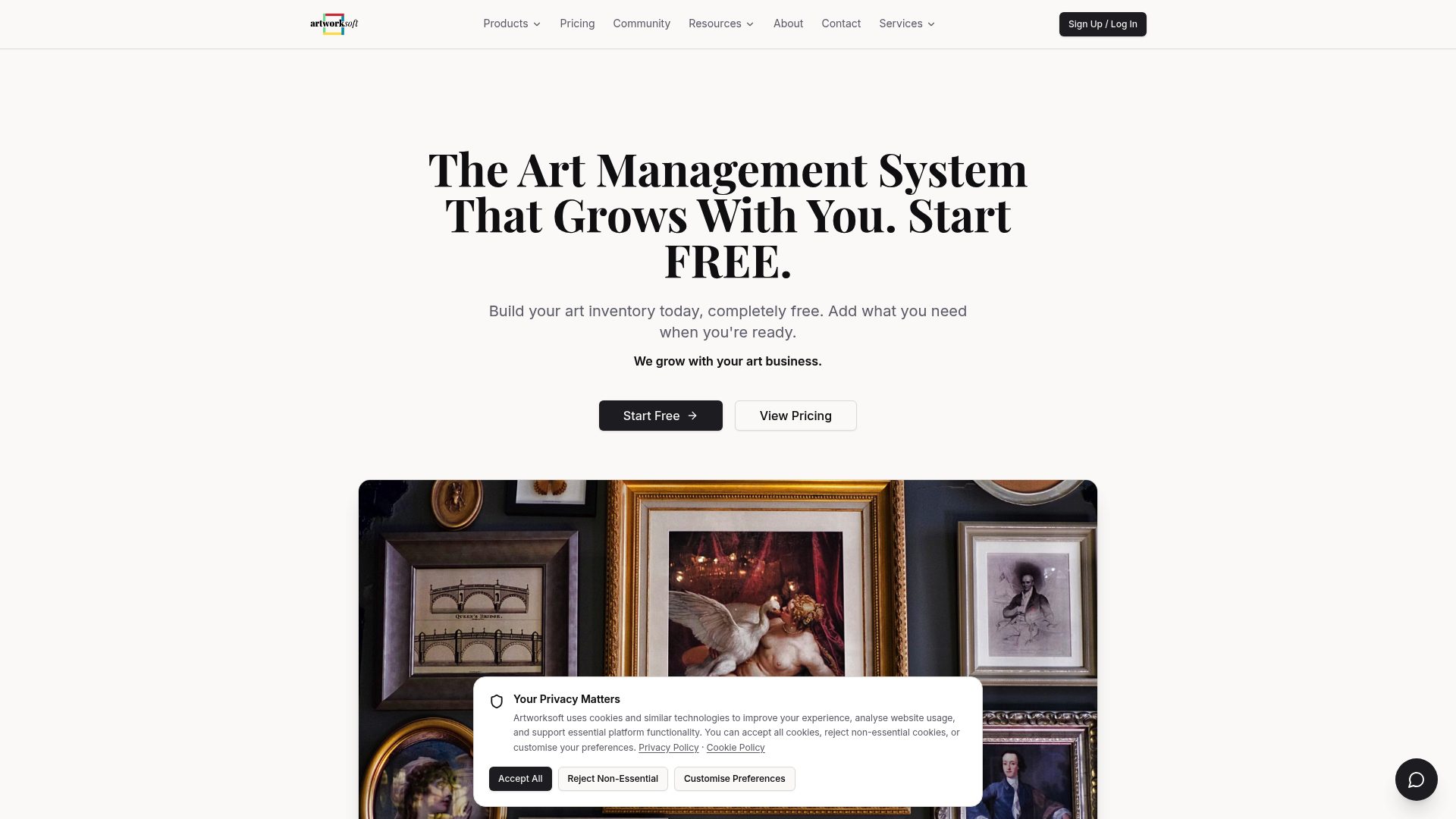
The platform generates Certificates of Authenticity, applies a structured valuation approach, and logs every movement automatically, helping to reduce the time required for annual audits. Hotels running a pilot on one property can scale the same catalog across multiple properties without rebuilding records from scratch. Read the hotel-specific implementation guide for property-level examples, or explore how the artwork profile management tools structure metadata field by field. When you’re ready to test it on your own collection, start a free account and import your first batch of records today.
Sources
For procurement mechanics and sourcing strategy, review the wall art procurement guide for hospitality projects. For fitout coordination, Gjergji H Tekstil’s hotel textile resources cover related trade procurement.
- Harmonizing identity & scale: a case study of art program management for multi-property hotel groups
- What are the 4 types of hotel inventory, and how do you track each one | WISK
- Wall art for hotels: a procurement guide for accommodation projects – Olive et Oriel
- Behind procurement and quality management of hotel’s art collections – VELVENOIR
FAQ
What Is the 70/30 Rule in Art?
There is no single standardized rule in fine art inventory or valuation that hotels should treat as formal.
What Is the Best Inventory Management System for Hotels?
For fine art specifically, a dedicated platform like Artworksoft outperforms general hotel inventory software because it tracks provenance, edition numbers, and structured valuation, fields that facilities and PMS tools typically omit.
Is There Free Software for Art Inventory Management?
Some art-management platforms, including Artworksoft, offer a free starting tier that covers basic cataloging and documentation before a hotel needs advanced multi-property reporting or branded certificates.
Where Do Hotels Buy Their Art From?
Hotels typically source art through trade art suppliers offering made-to-measure sizing and consolidated freight, independent artists and galleries for commissioned or signature pieces, and procurement partners who handle sourcing, printing, and framing as a bundled service, as outlined in hospitality art program case studies.