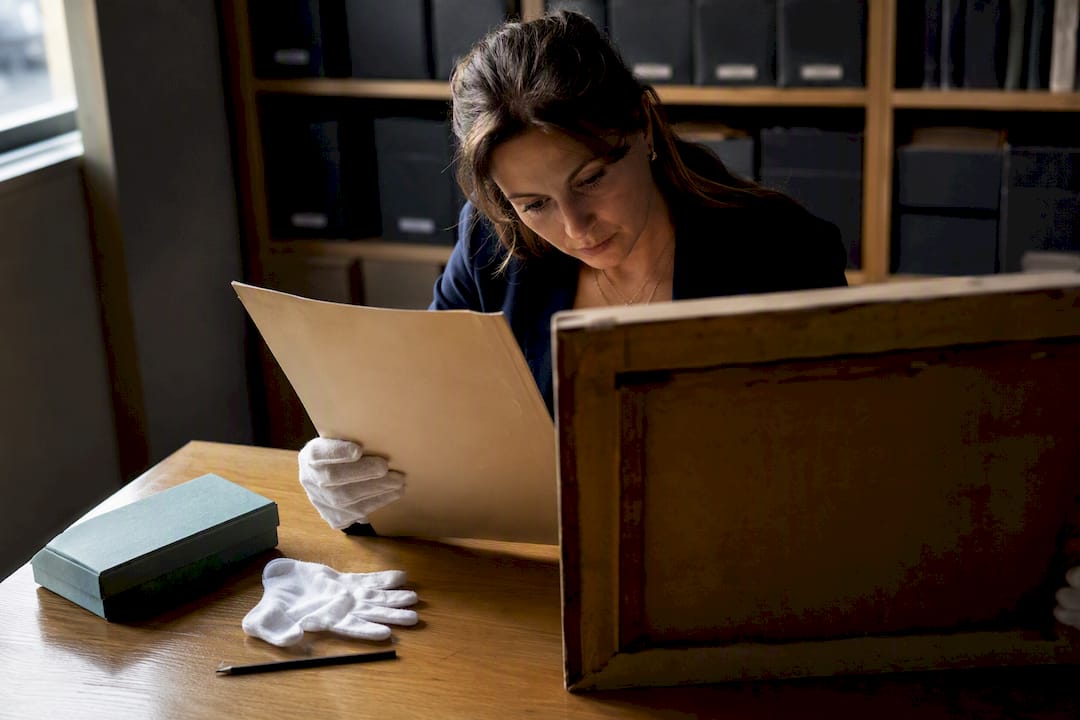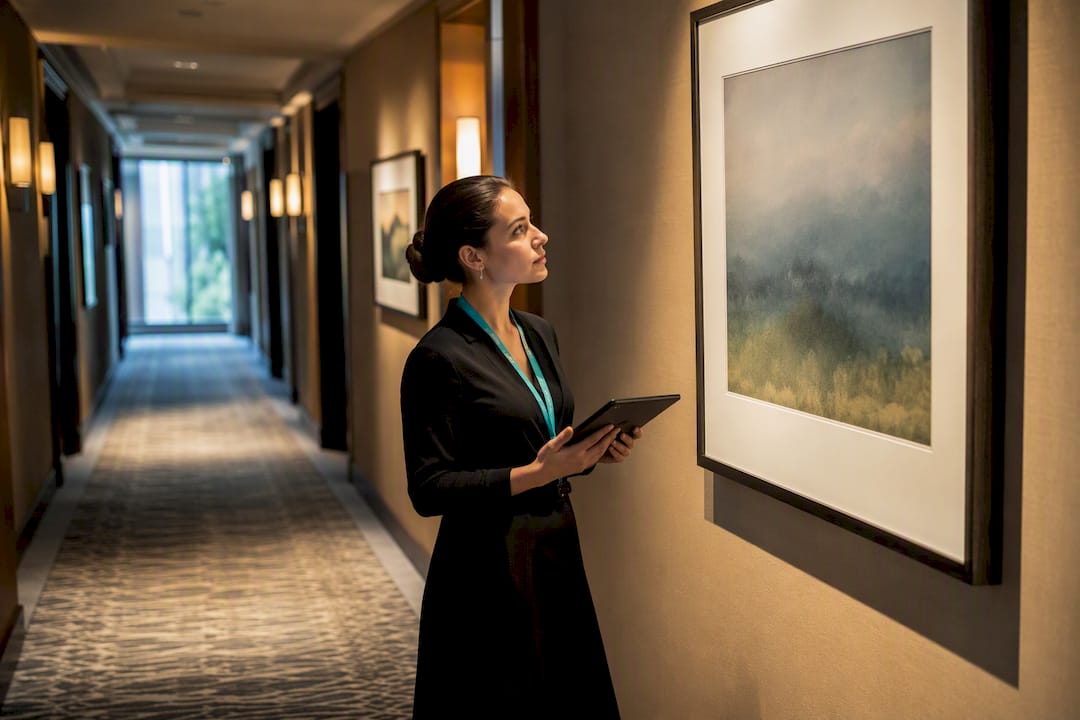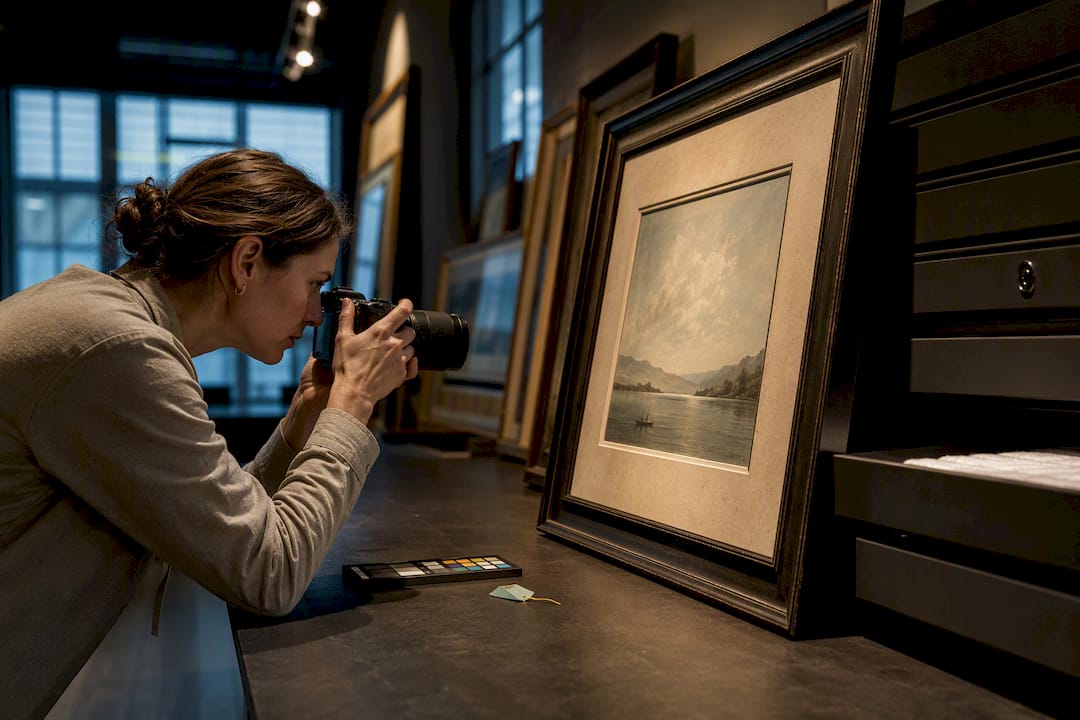
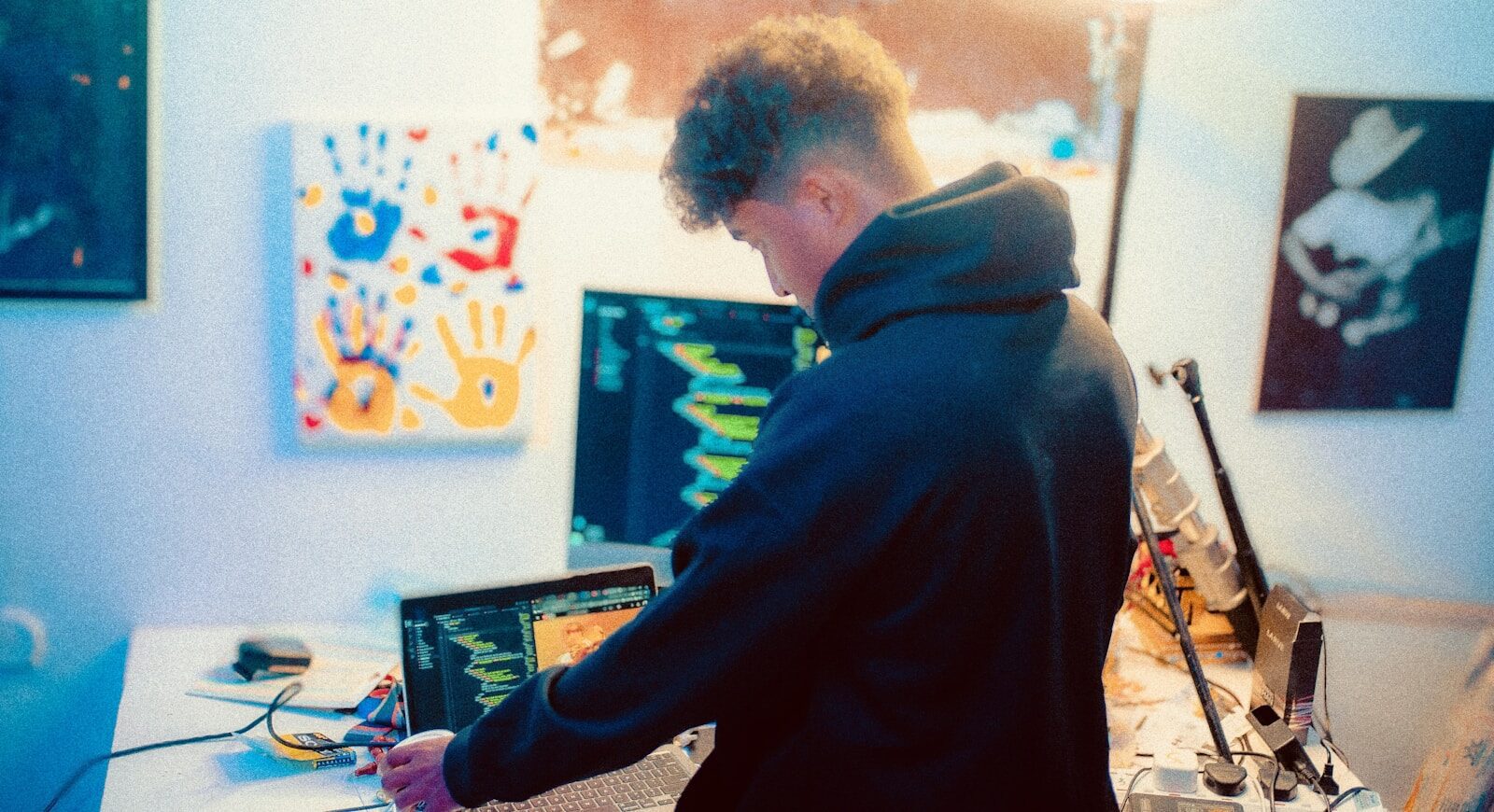
Professional artwork presentation online is defined as the deliberate use of curated portfolios, dedicated platforms, and high-quality visuals to attract collectors, galleries, and buyers to your work. For emerging artists and hobbyists, the ways to showcase artwork online professionally have expanded well beyond a simple website. Platforms like Pixpa, Art Limited, and Instagram now offer tools that rival what physical galleries provide. The difference between an artist who gets noticed and one who does not often comes down to presentation strategy, not talent alone.
1. Build a curated online portfolio, not just a gallery
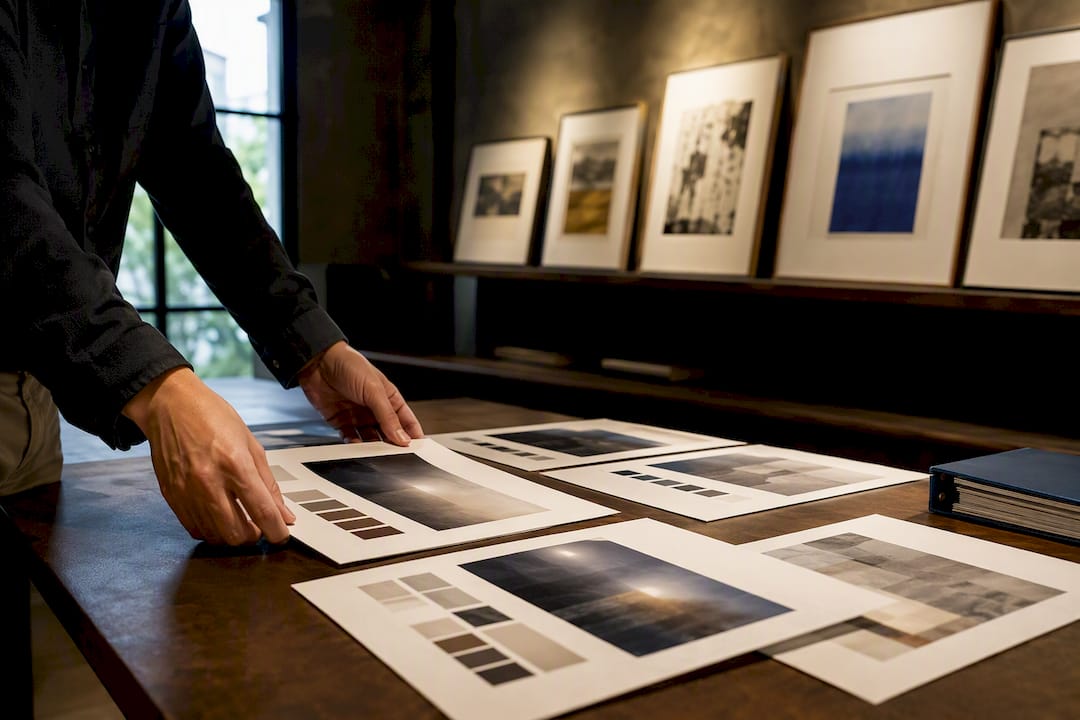
A curated online portfolio for artists organizes work into collections or series rather than random uploads. Grouping pieces by theme, medium, or period tells a story. That narrative gives collectors and gallery directors a reason to stay on your page longer.
Design matters as much as content. Minimal typography and negative space let the artwork carry the visual weight rather than competing with decorative elements. A cluttered layout signals amateur presentation, regardless of the quality of the art itself.
- Group work into 3–5 themed collections rather than one long scroll
- Use white or neutral backgrounds to avoid color interference
- Limit fonts to two: one for headings, one for body text
- Write a short artist statement (100–150 words) on the homepage
- Include a dedicated contact page with a professional email address
Pro Tip: Artists comfortable with Git can host a portfolio on GitHub Pages at zero cost with no server maintenance required. This works well as a secondary portfolio or a technical proof of skill for digital artists.
2. Choose the right platform for your goals
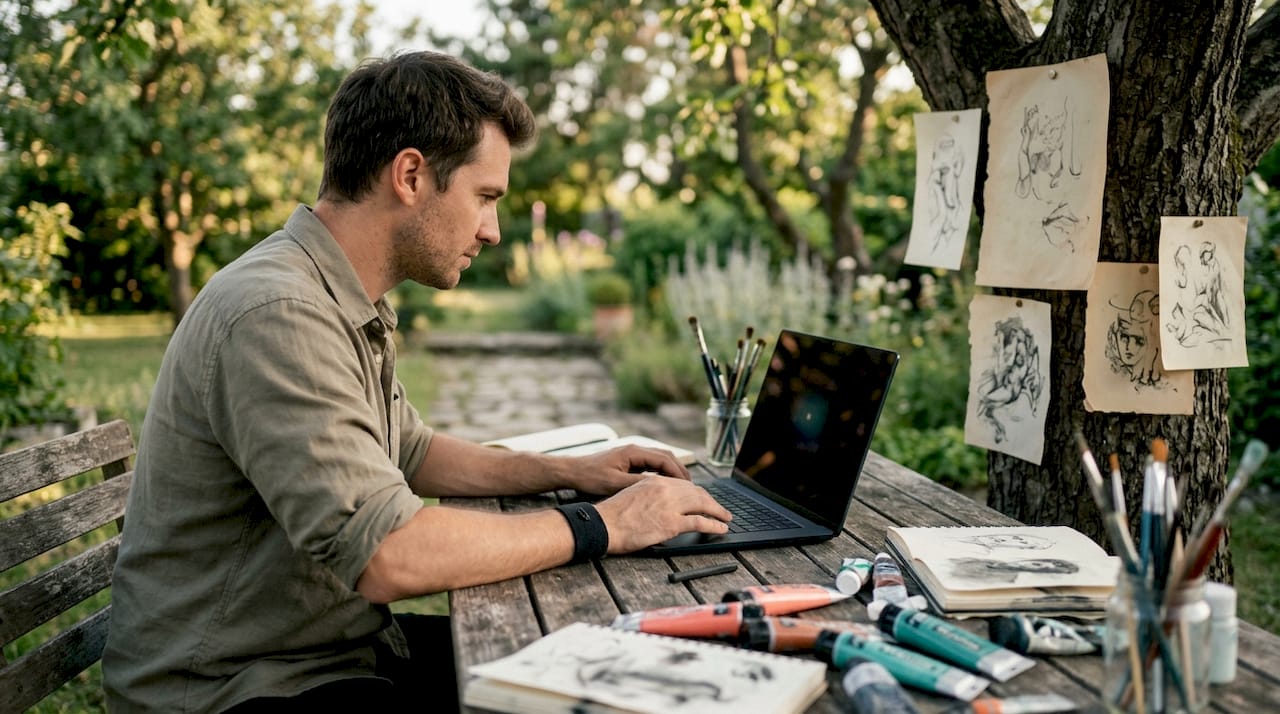
The best platform for an artist depends on whether the primary goal is visibility, sales, or community. Each platform solves a different problem.
| Platform | Best for | Key feature | Cost |
|---|---|---|---|
| Pixpa | Portfolio + sales | SEO galleries, online store | Paid (15-day free trial) |
| Art Limited | Global sales | Commission-free marketplace | Free to join |
| Visibility + audience growth | Reels, Stories, link in bio | Free | |
| Cara | Ethical AI-free community | Artist-focused feed | Free |
| GitHub Pages | Zero-cost portfolio hosting | Static site, no server needed | Free |
Pixpa offers a 15-day free trial with full features and no credit card required. That trial period is enough time to build a complete portfolio and test the SEO and store tools before committing. Art Limited spans 100+ countries with a commission-free model, which means artists keep the full sale price. That structure benefits emerging artists who cannot afford to lose a percentage on early sales.
Social media channels like Instagram and Facebook drive discovery but do not replace a dedicated portfolio site. Collectors and galleries expect a professional URL, not just a social profile.
3. Produce high-quality visuals for every piece
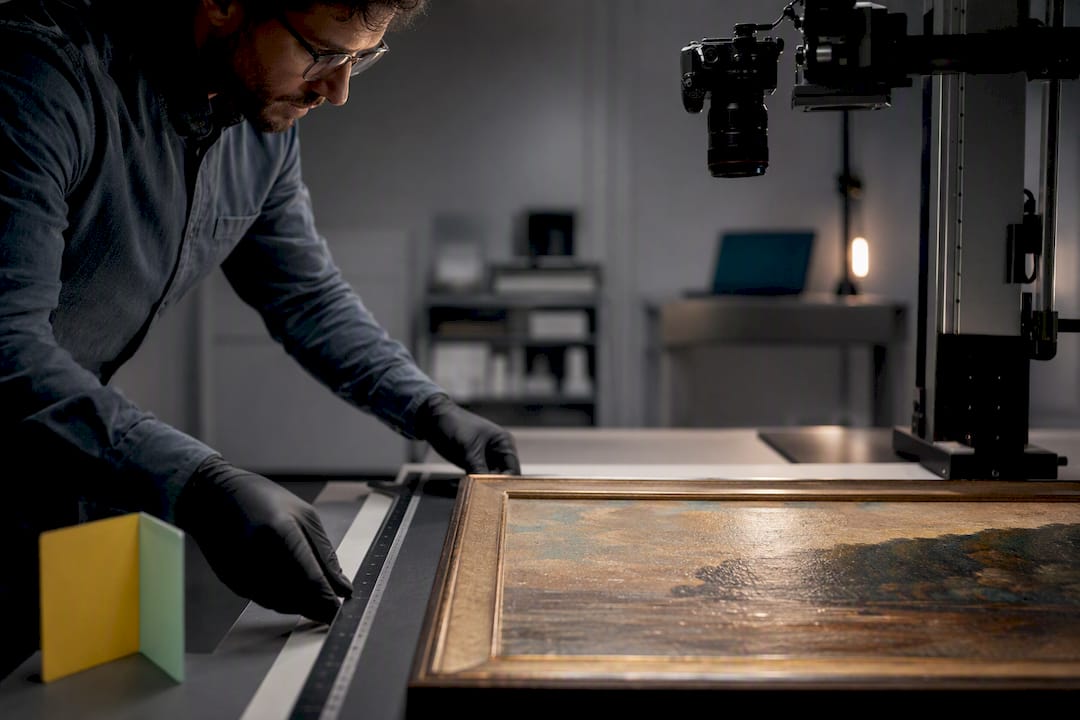
Every image in your online portfolio functions as a product photo. Blurry, poorly lit, or low-resolution images reduce perceived value before a buyer reads a single word of your description.
Shoot artwork in natural daylight or use two soft box lights positioned at 45-degree angles to eliminate glare. Photograph flat work straight on with a level camera to avoid distortion. For three-dimensional pieces, shoot from multiple angles and include a scale reference.
Mockups and room previews add context that raw images cannot. Placing a painting in a rendered living room helps buyers visualize the work in their own space. Tools like Smartmockups and Canva offer art-specific room preview templates that require no design experience.
Image optimization for the web is non-negotiable. Large files slow page load times, which damages both user experience and search rankings. Export images at 72 dpi for web display and compress them with tools like TinyPNG or Squoosh before uploading.
4. Create a virtual gallery tour for immersive presentation
Building a virtual art gallery tour takes 2–4 hours using 360-degree photos, interactive hotspots, and virtual tour software like Panoee. The result is a presentation format that physical distance cannot limit. A collector in Tokyo can walk through your studio or exhibition from their phone.
The steps to create a professional virtual gallery tour are straightforward:
- Photograph each wall or display area with a 360-degree camera or a smartphone with a panoramic mode
- Upload the images to virtual tour software such as Panoee
- Add interactive hotspots linked to artwork details, prices, or purchase pages
- Set the entry view so visitors face your strongest piece the moment they enter
- Embed the tour link on your portfolio website and share it across social channels
Pro Tip: Setting the entry view to face a focal artwork is the single most impactful configuration step in a virtual tour. Visitors form their first impression within seconds, and leading with your best work sets the tone for the entire experience.
Virtual galleries for artists also work as press assets. Sending a gallery link to a journalist or curator is more compelling than attaching image files to an email.
5. Add process shots to deepen audience connection
Process images in an online portfolio differentiate artists and deepen audience connection by showing creative problem-solving, not just finished results. A collector who sees how a piece evolved from sketch to final work develops a stronger attachment to it. That attachment translates directly into purchase decisions.
Process documentation does not require professional photography. A smartphone photo of a work in progress, a short time-lapse video, or a behind-the-scenes Instagram Story all qualify. The goal is transparency, not production value.
Including process content also improves search visibility. Search engines index image alt text and surrounding copy. A post titled “oil painting process: layering glazes for depth” targets a specific search phrase that finished artwork images rarely capture.
6. Manage your online presence like a professional resume
Treating your online presence as a professional resume means keeping every channel current, consistent, and intentional. A gallery director who finds an outdated website or an inactive social profile draws conclusions about your professionalism before seeing a single piece of work.
Automated aggregation tools help artists maintain digital archives of press mentions and gallery features without manual updates. Missing a press mention because you did not see it is a real risk when managing multiple channels. Automation removes that risk.
Best practices for maintaining a professional online presence:
- Audit all public profiles quarterly and remove outdated information
- Separate personal and professional social media accounts, using aliases if needed to keep buyer-facing channels focused
- Cross-link your portfolio site, social profiles, and virtual gallery so visitors can move between them without friction
- Update your portfolio within two weeks of completing a new series or exhibition
- Store press coverage, gallery features, and exhibition records in a centralized system
Pro Tip: Use a scheduling tool like Buffer or Later to maintain consistent posting on Instagram and Facebook without logging in daily. Consistency signals an active, professional practice to both algorithms and human visitors.
7. Sell art directly through your online channels
Ways to sell art online fall into two categories: marketplace platforms and direct sales through your own site. Each has distinct advantages depending on your stage as an artist.
Marketplace platforms like Art Limited offer built-in audiences and zero commission, which reduces the barrier to first sales. The tradeoff is less control over branding and buyer relationships. Direct sales through a portfolio site built on Pixpa or a similar platform give you full control over pricing, presentation, and customer data.
Pricing artwork for online sale requires a documented method. Guessing at prices or copying competitors produces inconsistent results. A structured art valuation approach that accounts for medium, size, exhibition history, and condition gives buyers confidence and protects your long-term market position.
Certificates of Authenticity increase buyer confidence significantly, particularly for original works. Providing professional documentation at the point of sale signals that you treat your practice as a business, not a hobby.
Key takeaways
The most effective ways to showcase artwork online professionally combine curated portfolios, high-quality visuals, and consistent cross-platform management to attract collectors and galleries.
| Point | Details |
|---|---|
| Curate, do not just upload | Organize work into themed collections to tell a coherent story for buyers and galleries. |
| Match platform to goal | Use Pixpa or Art Limited for sales, Instagram for visibility, and virtual tours for immersive presentation. |
| Document process work | Process shots deepen buyer connection and improve search visibility beyond finished artwork images. |
| Manage presence actively | Audit profiles quarterly, automate press archiving, and cross-link all channels for consistent branding. |
| Price with a documented method | Structured valuation builds buyer confidence and protects your long-term market position. |
What I have learned about showing art online as an emerging artist
The most common mistake I see emerging artists make is treating their online portfolio as a storage folder rather than a curated argument for their work. Uploading everything you have ever made is not the same as presenting your best work with intention. Collectors and gallery directors are not looking for volume. They are looking for a point of view.
The second mistake is chasing every platform at once. Instagram, TikTok, a portfolio site, a virtual gallery, an Etsy shop. Spreading attention across all of them produces mediocre results everywhere. Pick two channels, do them well, and expand only when those two are genuinely strong.
What actually works is simpler than most advice suggests. A clean portfolio site with 15–20 strong pieces, organized into two or three collections, with professional images and a clear contact page, outperforms a sprawling presence on six platforms every time. Add one social channel where you post process work consistently, and you have a professional online presence that most emerging artists never achieve.
The tools have never been better or more accessible. Pixpa, Panoee, Art Limited, and Artworksoft each solve a specific problem in the professional presentation chain. The artists who succeed online are not the ones with the most followers. They are the ones who treat their digital presence with the same care they give their physical work.
— Nealda
Artworksoft: manage, document, and share your art professionally
Artworksoft gives emerging artists and hobbyists a single system to organize artwork records, track sales, store press coverage, and generate professional documentation like Certificates of Authenticity.
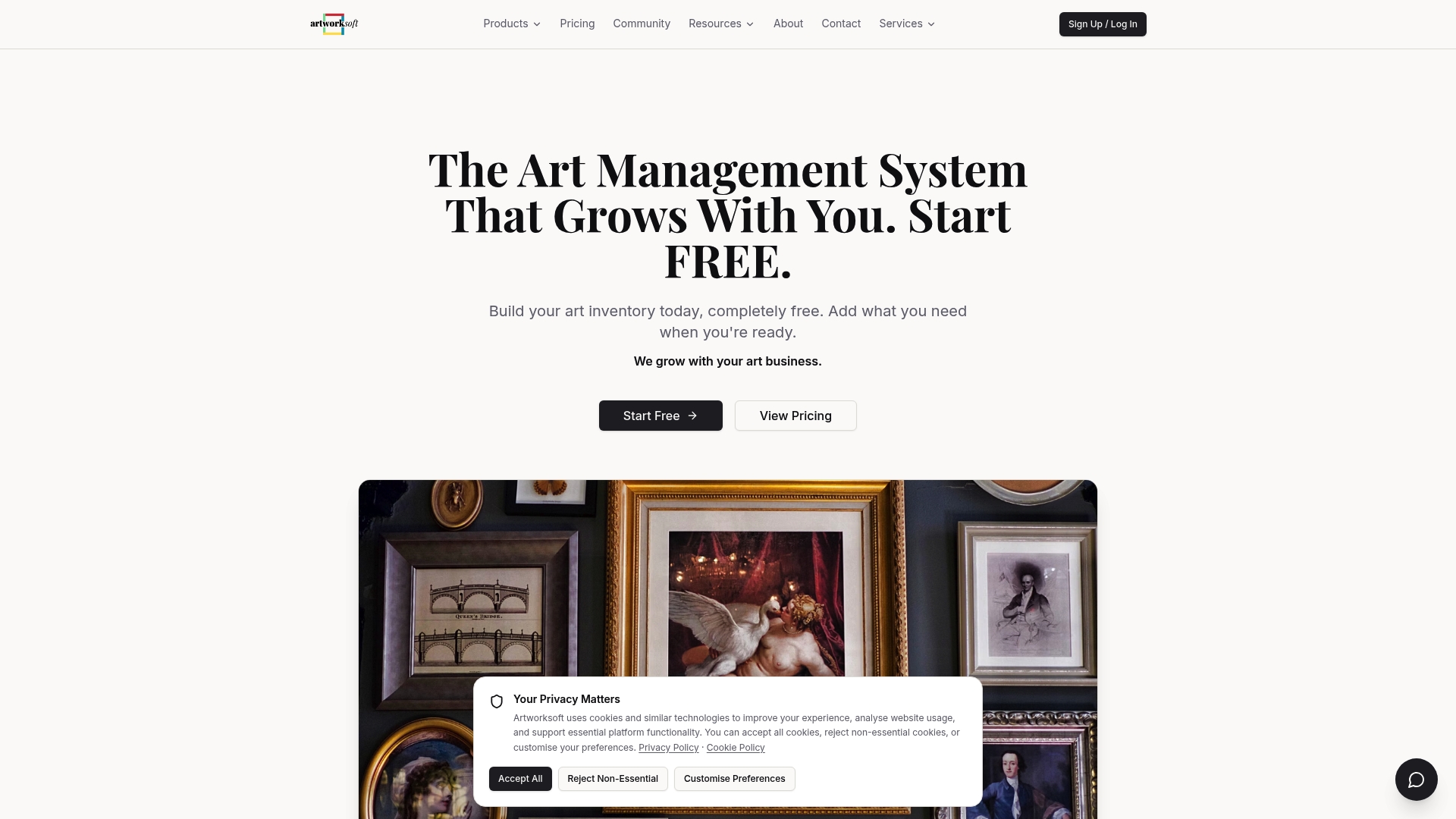
The platform connects your art inventory with artwork profile management, so every press mention, gallery feature, and exhibition record stays in one place. When a collector or gallery asks for documentation, you have it ready. Artworksoft also supports sharing artwork through curated digital galleries, giving your online presence a professional structure that standalone social profiles cannot match. Start with a free Artworksoft account and build the back-end infrastructure your art practice needs.
FAQ
What is the best platform for an online portfolio for artists?
Pixpa is the strongest all-in-one option for artists who need SEO-optimized galleries, mobile responsiveness, and an integrated online store. Art Limited suits artists focused on direct, commission-free sales to a global audience.
How do I display art online without a design background?
Use a portfolio platform like Pixpa with pre-built templates, apply a minimal layout with white space, and follow the rule of grouping work into themed collections rather than single uploads. Clean design requires discipline, not technical skill.
How long does it take to create a virtual art gallery tour?
Building a professional virtual gallery tour takes 2–4 hours using 360-degree photos and virtual tour software like Panoee. The most important configuration step is setting the entry view to face your strongest artwork.
Should I separate my personal and professional social media accounts?
Yes. Keeping professional channels focused on your art practice gives collectors and galleries a clear, uncluttered view of your work. Use an alias on personal accounts if needed to maintain that separation.
How do I price artwork for online sale?
Use a structured valuation method that accounts for medium, size, exhibition history, and condition rather than estimating based on competitor prices. Documented pricing builds buyer confidence and supports consistent market positioning over time.