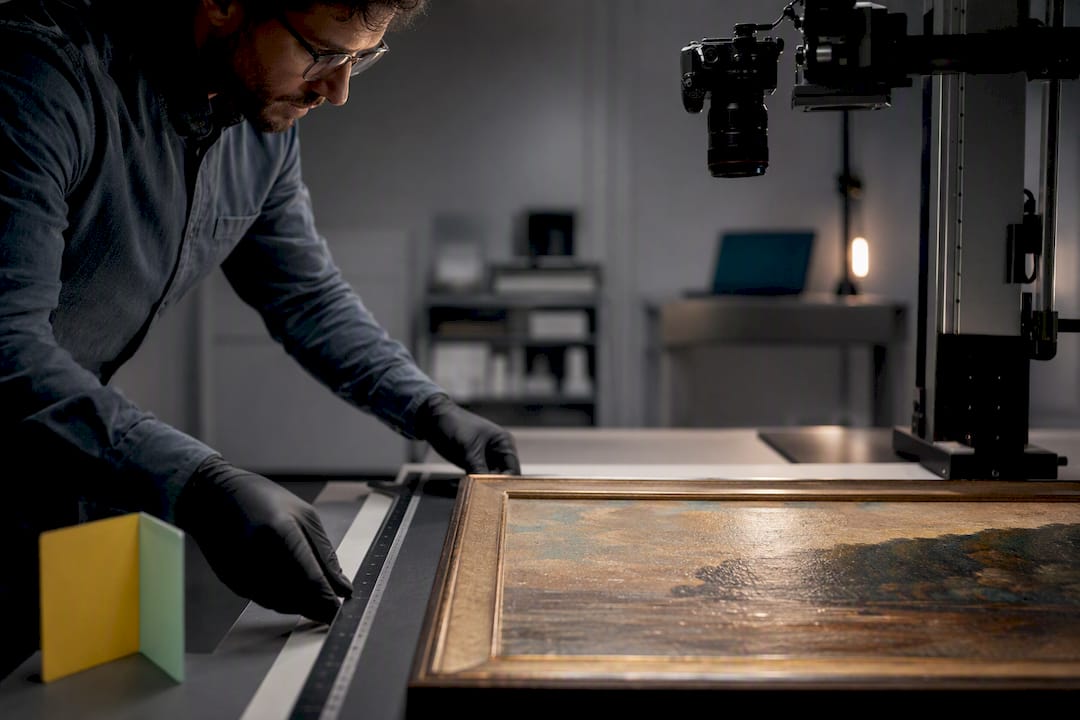


Art collection net worth is defined as the aggregate appraised market value of all artworks in a portfolio, adjusted for condition, provenance, rarity, and current market demand. For collectors treating art as a financial asset, this figure is not decorative. High-net-worth individuals allocate approximately 20% of their total wealth to art and collectibles, and global UHNW collectible wealth is projected to reach $3.47 trillion by 2030. That scale makes accurate valuation a core financial discipline, not an afterthought. Understanding art collection net worth explained properly requires mastering appraisal standards, cost accounting, and liquidity strategy together.
How is the value of an art collection determined?
Art appraisal and art valuation are related but distinct processes. Art appraisal is a formal process producing legally binding documents used for insurance, tax, estate planning, and sale purposes. Valuation, by contrast, is a broader financial estimate that may not carry legal weight. Collectors need both, depending on the purpose.

Key factors appraisers evaluate
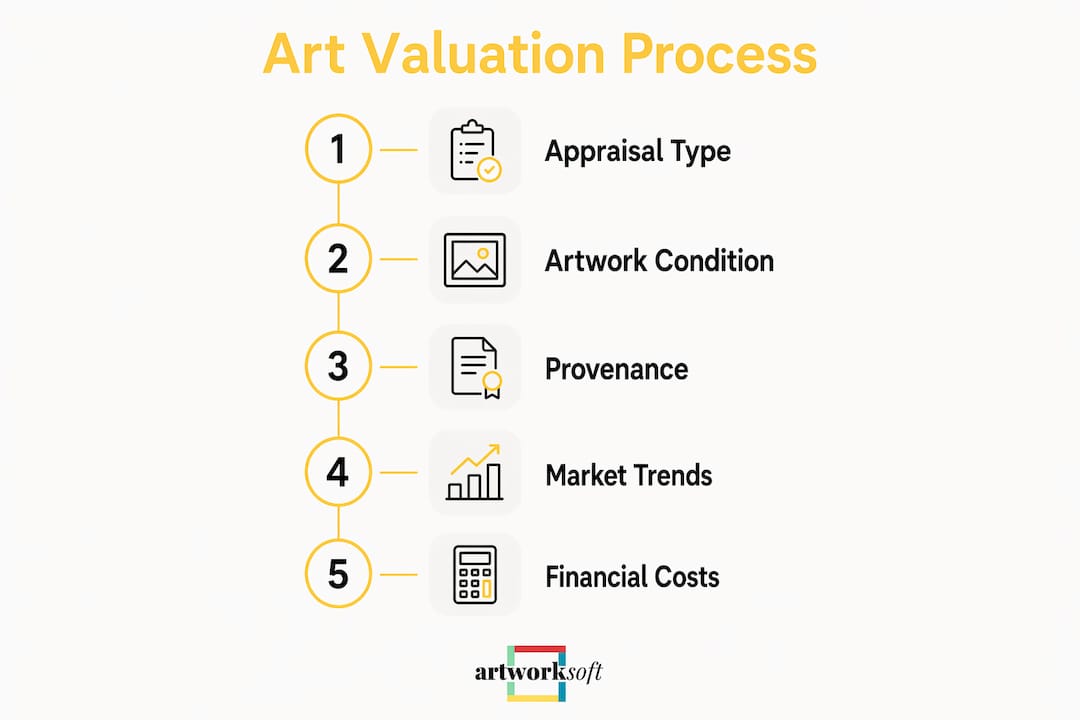
Five primary factors drive appraised value:
- Provenance: The documented ownership history of a work. A painting with documented provenance can command 3 to 5 times more at auction than an identical work without a clear ownership chain. Provenance is the single most powerful value multiplier in the market.
- Condition: Physical state directly affects price. Cracks, restorations, and fading reduce value significantly. Detailed condition reports are the evidentiary backbone of any credible appraisal.
- Rarity: Works from a limited period in an artist’s career, or from a small edition, command premiums. Rarity intersects with art historical significance to set price ceilings.
- Authorship: Attribution must be confirmed through expert opinion, technical analysis, or catalogue raisonné listings. Disputed attribution collapses value immediately.
- Market demand: Current collector appetite, gallery representation, and institutional exhibition history all affect what buyers will pay today.
Standards of value and why they matter
The standard of value selected for an appraisal can create multiples in value estimations. Two qualified appraisers answering different questions may produce drastically different results. Fair market value reflects what a willing buyer and seller would agree to in an open market. Replacement cost reflects what it would cost to acquire a comparable work. Forced sale value reflects a distressed or time-pressured transaction. Each serves a different legal and financial purpose.
Valuation must be tailored to the specific artwork context, including period, medium, and the artist’s career phase. Benchmarking against headline auction results without this context produces unreliable figures.
Pro Tip: Always specify the purpose of an appraisal before commissioning it. An insurance appraisal and an estate tax appraisal for the same painting can differ by 40% or more because they use different standards of value.
What financial factors affect art collection net worth beyond appraisal values?
Appraised value is the starting point, not the final answer. True net worth from an art collection accounts for a range of ongoing costs and structural risks that reduce realized returns.
- Ongoing carrying costs. Storage, insurance, and conservation costs cumulatively reduce net gains and must be incorporated into net worth calculations. A collector who ignores these costs will consistently overestimate the financial contribution of their collection.
- Illiquidity risk. Art investing is illiquid with no guaranteed exit. Unlike publicly traded securities, a collector cannot sell a painting in minutes at a known price. Forced sales in down markets can destroy value.
- Concentration risk. A collection dominated by one artist, period, or medium carries concentrated exposure. If that segment of the market softens, the entire portfolio suffers.
- Documentation quality. Gaps in provenance, missing condition reports, or incomplete transaction records reduce both appraised value and negotiating power. Strategically documenting artwork conditions, payment histories, and transaction details supports valuation and strengthens positions for loans or sales.
- Estate and generational transfer. Art held in an estate without current appraisals creates tax exposure and legal disputes. Collectors who integrate art valuations into estate planning protect both the financial and cultural legacy of their collections.
Pro Tip: Treat your collection like a real estate portfolio. Calculate net operating costs annually and subtract them from appraised value to get a realistic net figure. Most collectors are surprised by how much carrying costs compress their actual returns.
How can collectors leverage art collection net worth without selling?
Art-backed lending is the primary tool collectors use to access liquidity without triggering a sale. Art-backed loans allow collectors to access capital while retaining ownership, delaying tax consequences and enabling strategic financial planning. This approach is particularly valuable when a collector needs capital but believes the market for a specific work will strengthen over time.
The mechanics are straightforward:
- Loan-to-value ratios typically sit around 50% of appraised value. Specialist lenders often provide art-backed loans averaging 50% of the collection’s appraised value for clients with collections starting at around $10 million. A $20 million painting can support a loan of $8 million to $10 million.
- Tax efficiency. Borrowing against art does not trigger capital gains tax. Selling does. For collectors with low-cost-basis works, a loan can be dramatically more tax-efficient than a sale.
- Use of funds. Loan proceeds can fund business investments, real estate acquisitions, or portfolio rebalancing without disrupting the art collection itself.
- Valuation accuracy is non-negotiable. Lenders require current, credible appraisals. A collection with thorough artwork profile management and up-to-date documentation commands better loan terms than one with outdated or incomplete records.
The risk is real: if the collection’s value drops below the loan balance, the lender may require additional collateral or repayment. Collectors must monitor valuations actively, not just at the point of origination.
What are common pitfalls in estimating art collection net worth?
Collectors consistently make the same errors when assessing the financial value of their holdings. Recognizing these mistakes is the first step toward accurate portfolio analysis.
- Overreliance on headline auction results. The 2025 Modern and Contemporary Auction sales totaled $2.2 billion, but only a few works drove top prices. Average prices fluctuate widely. A single record-breaking sale does not validate the value of similar works in a private collection.
- Ignoring condition. Condition is not a secondary factor. A work with undisclosed restoration or structural damage can lose 30–60% of its estimated value when examined by a specialist buyer.
- Conflating cultural and financial value. A work may be historically significant and emotionally meaningful while being financially illiquid. These are separate assessments.
- Misreading private sale opacity. Private sales lack the transparency of auction results. Reported prices may reflect relationship pricing, package deals, or other factors that do not translate to open-market value.
- Using the wrong appraisal standard. Appraisers emphasize that valuation credibility depends heavily on evidentiary support, including provenance, condition reports, and established authorship. An insurance appraisal used for estate tax purposes will produce incorrect results and potential legal liability.
Pro Tip: Commission a fresh appraisal every three to five years, or after any major market event affecting your artist or period. Stale valuations are one of the most common and costly errors in art portfolio management. A thorough art inventory audit is the most efficient way to identify gaps before they become problems.
Key Takeaways
Accurate art collection net worth requires combining current appraisals with cost accounting, provenance documentation, and a clear understanding of the standard of value being applied.
| Point | Details |
|---|---|
| Appraisal standard determines value | Fair market, replacement, and forced sale values produce different results for the same work. |
| Provenance multiplies value | Documented ownership history can increase auction prices by 3 to 5 times over undocumented works. |
| Carrying costs reduce net returns | Storage, insurance, and conservation must be subtracted from appraised value for an accurate net figure. |
| Art-backed loans provide liquidity | Collectors can borrow approximately 50% of appraised value without triggering a taxable sale event. |
| Documentation quality affects loan terms | Current condition reports and transaction records directly improve negotiating power with lenders. |
Why documentation is the most underrated factor in art wealth management
Most collectors focus on acquisition and miss the financial leverage that documentation creates. I have seen collections where a single provenance gap cut the appraised value of a major work by more than half. The art was identical. The paper trail was not.
The conventional advice is to “get a good appraiser.” That is necessary but not sufficient. The appraiser can only work with what you give them. A collection with complete condition reports, verified ownership chains, and organized transaction records gives an appraiser the evidence to defend a high valuation. A collection without those records forces the appraiser to hedge, and hedged appraisals produce lower figures.
High-net-worth collectors increasingly treat art collections as illiquid assets integral to wealth portfolios requiring integration into broader management tools. The collectors who do this well are not necessarily the ones with the most expensive works. They are the ones who manage their collections with the same discipline they apply to their equity portfolios.
Art is not a quick gain. It is a long-term store of value with real carrying costs, real liquidity constraints, and real tax implications. Collectors who treat it otherwise tend to be disappointed. The ones who build it into a coherent wealth strategy, with current valuations, clean documentation, and a clear understanding of their exit options, consistently get better financial outcomes.
— Nealda
Artworksoft: tools for managing your collection’s financial value
Collectors who want their art to function as a real financial asset need more than spreadsheets. Artworksoft gives collectors a structured system for tracking artwork profiles, condition histories, and transaction records in one place.

The platform’s art valuation tools connect condition data, provenance records, and sales history to support credible appraisals and loan documentation. Collectors can generate asset reports, track artwork movements, and maintain the evidentiary record that lenders and appraisers require. For estate planning and wealth integration, Artworksoft’s art inventory system provides the organized, current documentation that turns a collection from a passion project into a documented financial asset. Start building that record today.
FAQ
What is art collection net worth?
Art collection net worth is the total appraised market value of all artworks in a portfolio, minus carrying costs such as insurance, storage, and conservation. It reflects the collection’s realistic contribution to a collector’s overall financial position.
How often should an art collection be appraised?
Appraisals should be updated every three to five years, or after significant market events affecting the relevant artist or period. Stale appraisals create tax exposure and undermine loan applications.
What is the difference between fair market value and replacement value in art appraisal?
Fair market value reflects what a willing buyer and seller would agree to in an open market. Replacement value reflects the cost to acquire a comparable work. The two figures can differ substantially for the same artwork.
Can I borrow against my art collection without selling it?
Yes. Art-backed loans allow collectors to borrow approximately 50% of the collection’s appraised value while retaining ownership. This approach defers capital gains tax and preserves the collection intact.
What most affects the appraised value of a single artwork?
Provenance, condition, rarity, and authorship are the four primary drivers. Documented provenance alone can increase a work’s auction price by 3 to 5 times compared to an identical work with an unclear ownership history.