
Building an art collection strategy means deliberately acquiring, organizing, and managing artworks to create a meaningful, cohesive, and lasting personal collection. The most enduring collections share a common foundation: a clear collection thesis defined before the first significant acquisition, disciplined holding periods of at least three to five years, and professional documentation infrastructure that protects value over time. Without these three pillars, even a well-funded collection tends to feel episodic rather than authoritative.
The pyramid method offers a practical structural framework. You begin with smaller, affordable works to develop taste and test your collecting instincts, then progress toward anchor pieces that define the collection’s quality and authority. Alongside acquisition discipline, centralized digital records are critical for authentication, valuation, and estate planning. Budgeting must account not only for purchase prices but for insurance, climate-controlled storage, and conservation costs that collectors routinely underestimate.
Pro Tip: Screen every acquisition across five dimensions simultaneously: the artist’s institutional trajectory, the quality of the specific work within the artist’s output, provenance integrity, condition, and coherence with your collection thesis. A work that passes four of five criteria is usually a pass.
Key steps for building a personal art collection:
- Define a collection thesis before making significant purchases
- Apply the pyramid method: smaller works first, anchor pieces later
- Hold works for medium-to-long periods rather than trading frequently
- Build relationships with galleries, curators, and advisors early
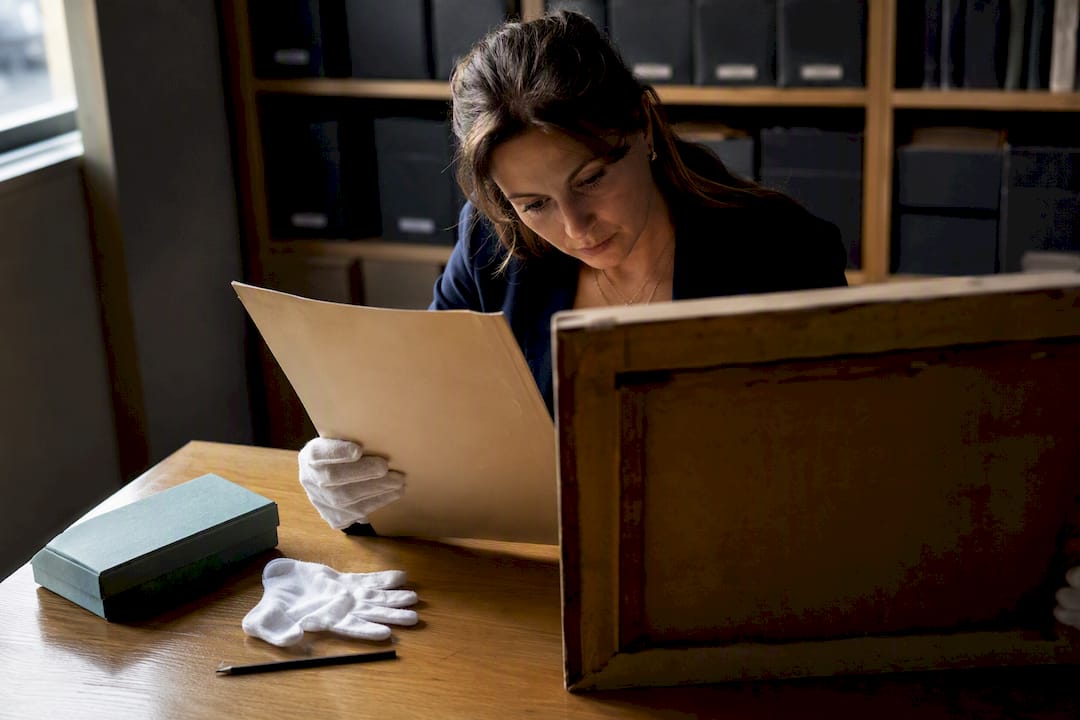
- Maintain verified provenance records and condition documentation for every work
- Budget for ongoing costs: insurance, storage, conservation, and professional appraisals
- Integrate art within your overall wealth and liquidity planning
Table of Contents
- Why you collect matters as much as what you collect
- How to find and acquire art that genuinely resonates with you
- How to grow your collection from first works to anchor pieces
- What makes a collection coherent rather than just a group of works
- How Artworksoft supports serious collection management
- Artworksoft gives collectors the infrastructure serious collecting requires
- Key Takeaways
Why you collect matters as much as what you collect
The motivation behind collecting shapes every acquisition decision, budget allocation, and timeline expectation. Collectors driven primarily by aesthetic passion tend to build more coherent collections over time because their acquisitions follow a genuine internal logic rather than market signals. Those motivated by cultural engagement often gravitate toward thematic or geographic focus areas. Collectors with an investment orientation need to align their art budget explicitly with their overall wealth strategy, treating art as a medium-to-long-term asset class with real liquidity constraints.
A collection thesis is the written articulation of your collecting purpose. It defines the style, period, geography, medium, or thematic focus that will guide acquisitions and, equally, help you decline works that do not fit. Without a thesis, impulsive buying fills walls but rarely builds a collection with cultural weight. The thesis does not need to be rigid; it should evolve as your knowledge deepens. What it must do is give you a principled reason to say no.
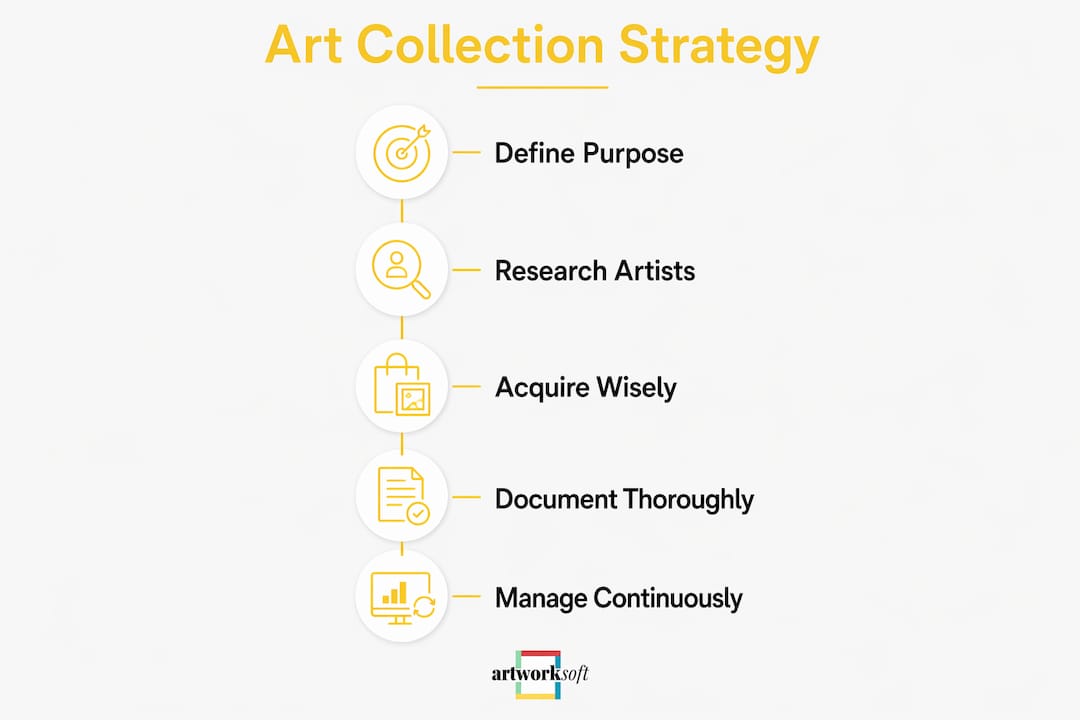
Clarifying motivation also sets realistic timeline expectations. A collector building toward institutional-quality depth should plan in decades, not years. A collector focused on personal enjoyment with modest financial goals operates on a different timeline and budget structure entirely. Neither approach is wrong, but conflating them leads to misaligned decisions.
Steps to define your collection purpose:
- Write a one-paragraph collection thesis covering medium, period, geography, or theme
- Identify whether your primary motivation is aesthetic, cultural, financial, or a combination
- Assess your liquidity position and determine what proportion of assets art will represent
- Set a realistic acquisition pace: how many works per year, at what price range
- Review and revise the thesis annually as your knowledge and taste develop
- Consult an art advisor or curator to pressure-test your thesis before major acquisitions
How to find and acquire art that genuinely resonates with you
Active exposure precedes informed acquisition. Visiting galleries, museum exhibitions, and art fairs without any pressure to buy is how collectors develop the visual literacy needed to make confident decisions. The early years of collecting should focus on building knowledge and relationships rather than rapid acquisition. Spending six to twelve months in observation mode before committing to significant purchases is not hesitation; it is foundation-building.
Researching an artist’s background matters more than most first-time collectors expect. Exhibition history, museum acquisitions, critical residencies, and catalogue raisonné entries are the clearest indicators that an artist’s reputation has roots beyond the commercial gallery circuit. Narrative and cultural resonance drive value in modern collecting more than speculation, which means the story behind a work and its maker carries real market weight over time.
Pro Tip: Prioritize artists with documented institutional validation, such as museum acquisitions or major biennial participation, over artists whose market heat is driven primarily by social media or auction momentum. Institutional validation signals that curators with no financial stake have assessed the work’s cultural significance.
Understanding where to acquire is as important as knowing what to acquire. Primary and secondary art markets function differently and require distinct disciplines. Primary market buying through galleries gives you access to living artists at gallery pricing before secondary demand builds, but access is relationship-dependent. Offering more money does not guarantee availability for sought-after works. Secondary market buying through auction houses and dealers requires rigorous attention to condition reports and provenance scrutiny.
Key acquisition considerations:
- Verify provenance through documented ownership history and exhibition records
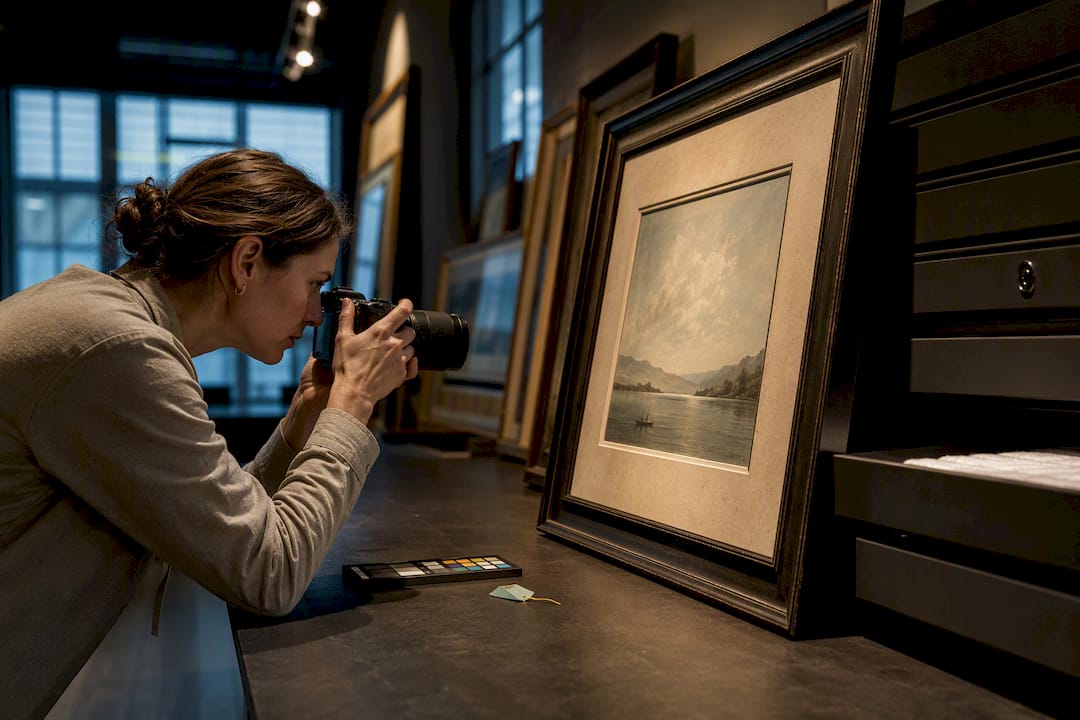
- Request a condition report before any purchase, not after
- Confirm certificates of authenticity signed by the artist or estate
- Assess edition size and numbering for prints and multiples; closed editions hold value more reliably
- Build gallery relationships before you need them, not at the moment of purchase
- Use art collection management frameworks to evaluate each acquisition against your thesis
- Understand the legal terms in any purchase contract, including resale rights and copyright retention
How to grow your collection from first works to anchor pieces
Starting with smaller, affordable works is not a compromise. It is the correct structural approach. The pyramid method works because early acquisitions build taste, collecting habits, and gallery relationships at a price point where mistakes are instructive rather than costly. Collectors who begin by reaching for major works before developing their eye often end up with expensive pieces that no longer fit once their knowledge matures.

Progression to anchor pieces should be deliberate. An anchor work is one that defines the collection’s quality ceiling and signals its seriousness to dealers, curators, and institutions. The decision to acquire an anchor piece should follow from the collection thesis, not precede it. Budget discipline throughout this progression means consistently prioritizing one high-quality work over several lesser ones at similar aggregate cost.
A practical timeline framework for collection growth:
- Years 1–2 (Foundation): Visit galleries, fairs, and museum exhibitions. Build relationships with two or three galleries aligned with your thesis. Make three to five smaller acquisitions to test taste and develop collecting habits.
- Years 3–5 (Development): Deepen gallery and advisor relationships. Increase acquisition quality and price point. Begin tracking artist trajectories and market positions systematically.
- Years 6–10 (Consolidation): Acquire anchor pieces that define collection authority. Rebalance by deaccessioning early works that no longer fit. Engage with institutional lending opportunities.
- Years 10+ (Maturity): Manage the collection as a documented asset. Consider succession planning, estate implications, and institutional relationships for long-term placement.
Diversification within a collection serves as structural risk management. Holding works across career stages, from emerging artists with strong curatorial trajectories to mid-career artists with growing institutional presence, creates resilience against shifts in taste. Geographic and medium diversity further reduce concentration risk. The role of medium in pricing is a real variable; understanding how painting, sculpture, photography, and works on paper perform differently across market cycles informs smarter acquisition decisions.
Ongoing education and periodic rebalancing are not optional activities. Works acquired early that no longer fit the collection’s direction, or that have appreciated to a point where rotating capital makes sense, can be deaccessioned through appropriate channels. This is how serious collections evolve rather than stagnate.
Collection growth disciplines:
- Apply the pyramid method: smaller works first, anchor pieces after taste and thesis are established
- Prioritize quality over quantity at every budget level
- Diversify across career stages, media, and geographies within your thesis
- Rebalance periodically; deaccession works that no longer fit
- Budget explicitly for ongoing preservation costs including insurance, climate control, and conservation
What makes a collection coherent rather than just a group of works
A collection with a clear architectural framework reads as intentional. One without it feels episodic, regardless of the quality of individual works. The distinction becomes visible over time and matters to galleries, institutions, and future buyers. Curators emphasize that collections built around a unifying thesis possess continuity and authority that episodic collections cannot replicate.
Narrative builds through artist selection, thematic connections, and exhibition histories. When works in a collection speak to each other across medium or period, the collection develops a voice that is distinct from any single piece within it. Integrating personal stories and cultural resonance into acquisition decisions strengthens that voice. A collector who can articulate why each work belongs in the collection, and how it connects to adjacent works, has built something with genuine cultural significance.
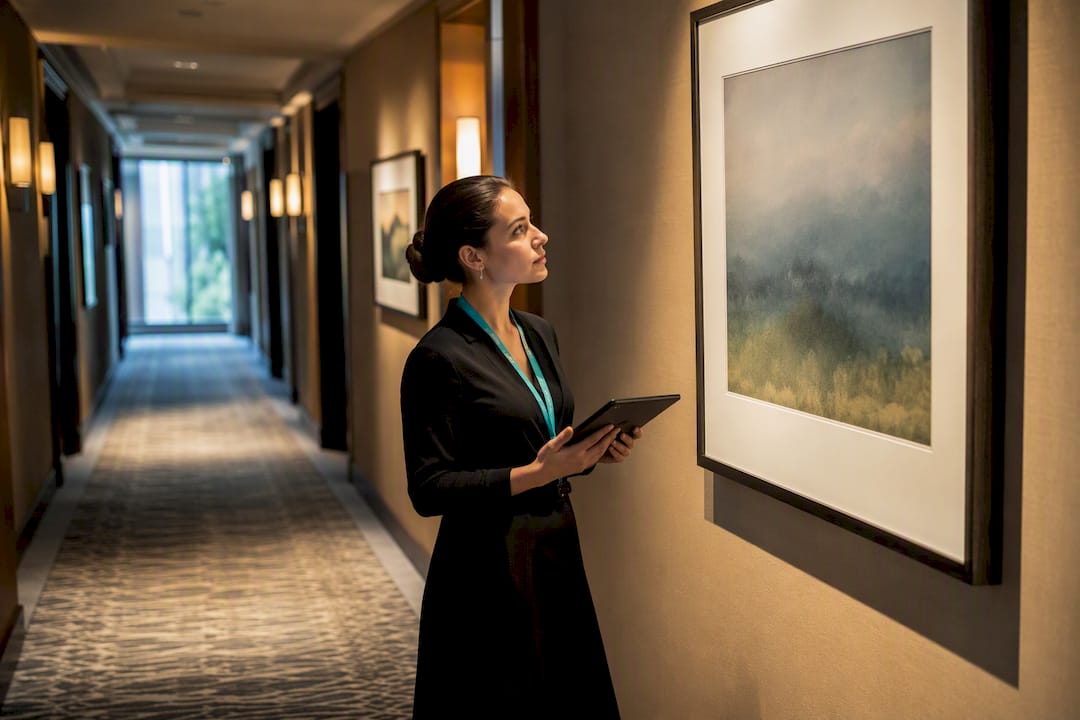
Strategic curation practices reinforce coherence. Presenting works in a unified aesthetic context, whether in a home, a loaned exhibition, or a digital catalog, communicates the collection’s thesis to outside audiences. The way a collection is displayed and documented is itself a form of argument about its meaning.
Ways to strengthen collection coherence and narrative:
- Write and regularly revise a collection thesis that connects acquisitions conceptually
- Select artists whose work engages with shared themes, periods, or geographies
- Document the narrative rationale for each acquisition at the time of purchase
- Use the pyramid method to build structural coherence from smaller works to anchor pieces
- Pursue institutional lending opportunities that place the collection in curatorial context
- Present the collection through a curated display approach that communicates its unifying logic
- Decline acquisitions that are individually appealing but structurally disruptive to the thesis
How Artworksoft supports serious collection management
Artworksoft is built for collectors who treat their collection as a professionally managed asset rather than an accumulation of purchases. The platform links artworks, locations, and transactions in a single inventory system, giving collectors a clear operational picture of what they own, where it is, and what it is worth. That operational clarity is the foundation of professional collection management.
The valuation tools within Artworksoft apply a structured formula to remove guesswork from pricing. For collectors who need to assess fair market value for insurance, estate planning, or potential sale, having a documented valuation methodology matters as much as the number itself. Artworksoft also generates professional documentation including Certificates of Authenticity, condition reports, and provenance records. A well-maintained provenance chain increases artwork value and resale potential, and Artworksoft makes maintaining that chain a systematic process rather than an afterthought.
Digital storage of exhibition histories, condition reports, and acquisition records within Artworksoft creates the documentation infrastructure that serious collections require. When a work is loaned to an institution, sold, or transferred as part of an estate, that documentation record is what transforms a collection from a personal asset into a professionally managed one.
| Feature | What it does for collectors |
|---|---|
| Inventory management | Links artworks, locations, and transactions in one system |
| Structured valuation | Applies a documented formula to remove pricing guesswork |
| Certificate of Authenticity generation | Creates professional documentation at the point of acquisition |
| Provenance and condition records | Stores and organizes the documentation that protects long-term value |
| Exhibition history tracking | Maintains the institutional record that builds narrative value |
| Community and visibility features | Increases artist visibility and supports relationship-building |
Practical benefits of using Artworksoft:
- Centralized inventory accessible across locations and devices
- Documented valuation history for insurance and estate planning purposes
- Professional documentation generated without specialist software knowledge
- Provenance records maintained systematically rather than in scattered files
- Exhibition and transaction histories preserved in a single, searchable archive
- Community features that connect collectors with artists and galleries
Artworksoft gives collectors the infrastructure serious collecting requires
Collectors who invest in acquiring quality works but neglect documentation and management infrastructure are structurally exposed. Artworksoft addresses that gap directly, providing the tools to turn your art collection into a professionally documented asset rather than a collection of purchases with incomplete records.
For collectors at any stage of the pyramid, from first acquisitions to anchor pieces, Artworksoft provides inventory management, AI-assisted valuation, Certificate of Authenticity generation, and provenance tracking in one platform. The documentation it produces supports insurance coverage, institutional lending, resale, and estate planning. A collection managed through Artworksoft carries the kind of verified record that dealers, appraisers, and institutions expect from a serious collector.
Start building the infrastructure your collection deserves. Create a free account at Artworksoft and bring professional management discipline to your collection from day one.
Key Takeaways
A coherent art collection strategy requires a defined thesis, disciplined acquisition, and professional documentation infrastructure maintained from the first purchase onward.
| Point | Details |
|---|---|
| Define a collection thesis first | A clear thesis guides acquisitions and prevents impulsive buying that undermines collection coherence. |
| Apply the pyramid method | Start with smaller works to build taste and relationships, then progress to anchor pieces that define collection authority. |
| Hold works for the long term | Art advisors recommend minimum holding periods of several years before considering a sale. |
| Budget for ongoing costs | Insurance, climate-controlled storage, and conservation are significant expenses that must be planned for from the outset. |
| Use Artworksoft for collection management | Artworksoft links inventory, valuation, provenance, and documentation in one platform, supporting every stage of collection development. |