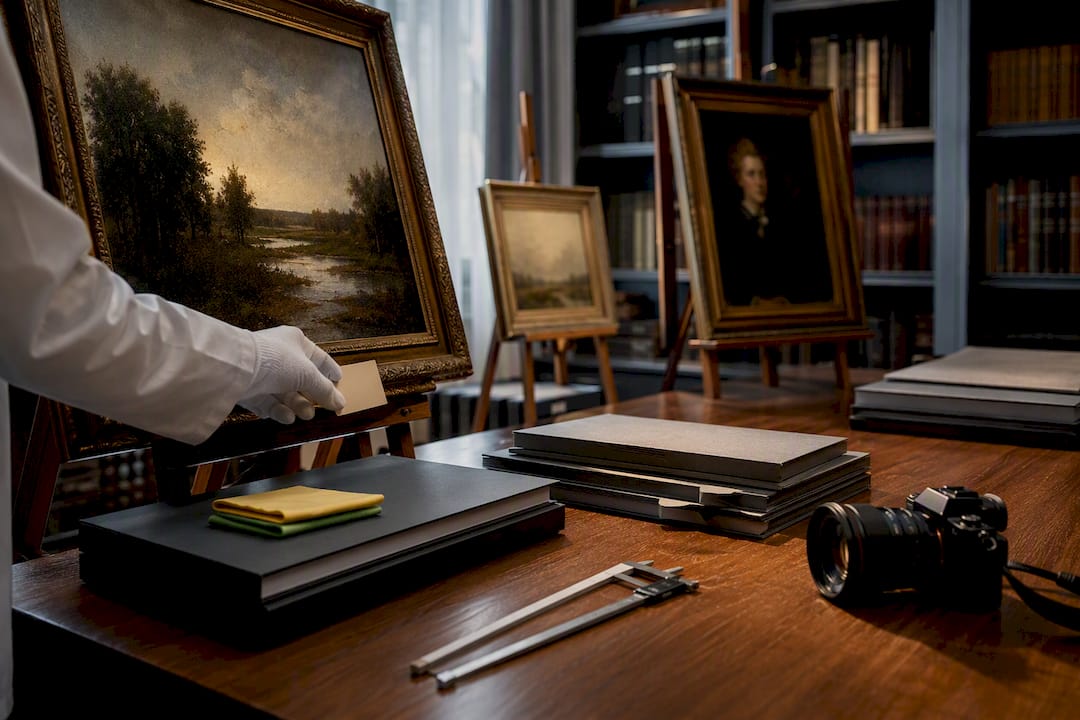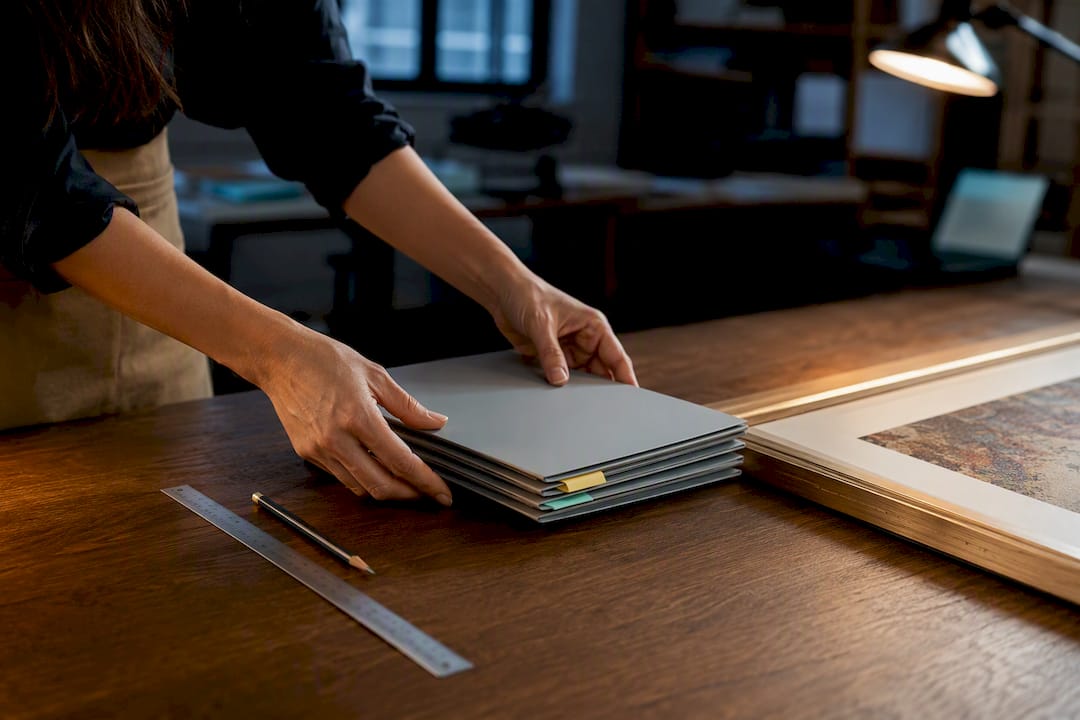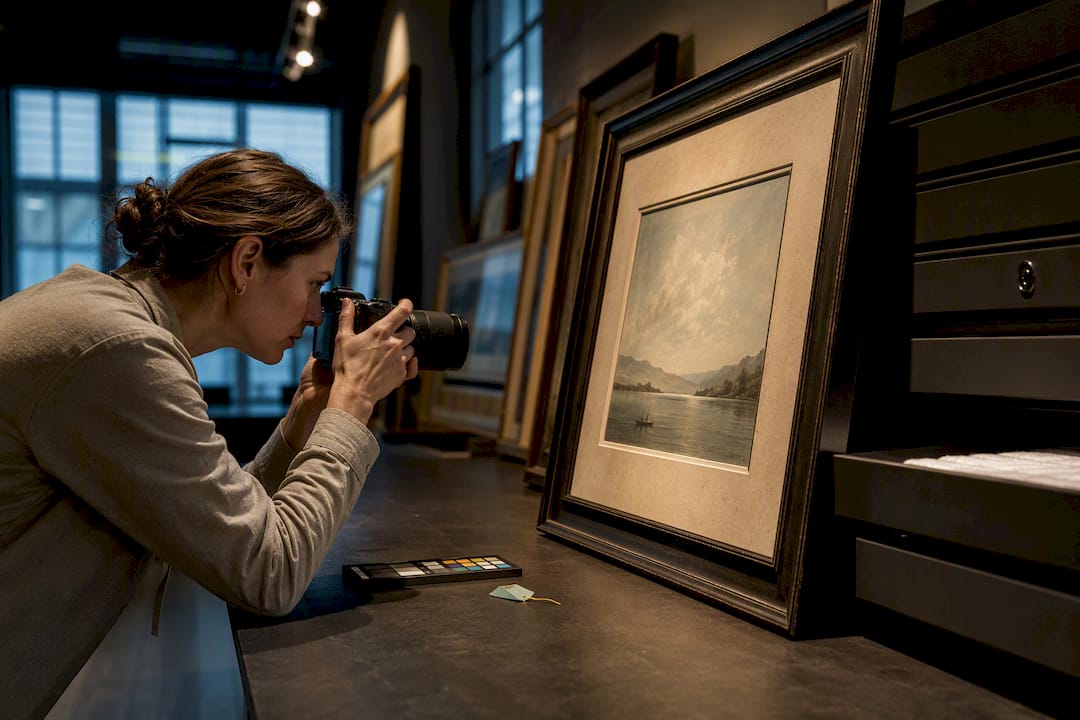

An art portfolio format is a structured presentation method that organizes and displays an artist’s work for a specific audience or purpose. The most common examples of art portfolio formats include PDF submission packets, static gallery websites, curated category-based sites, and immersive interactive experiences. Choosing the right format directly affects how reviewers, galleries, and clients perceive your work. Platforms like Adobe Portfolio, Pixpa, and Webflow each support different format types, from simple image grids to animation-heavy digital experiences. The format you choose should match your artwork type, your career stage, and the audience you are presenting to.
1. What are the key examples of digital art portfolio formats?
Digital portfolio formats range from simple image grids to unique interactive experiences depending on artist goals and budgets. Three main types define the current standard for visual artists in 2026.
Static gallery websites present work in clean image grids with minimal interaction. They load fast, work on all devices, and put the artwork front and center. Artists working in painting, photography, or illustration benefit most from this format because the work speaks for itself without requiring explanation.

Subtly interactive portfolios add light hover effects, smooth scroll transitions, or soft animations without overwhelming the viewer. This format suits artists who want a polished, professional impression without the technical complexity of full custom builds. Platforms like Pixpa and Adobe Portfolio support this style out of the box.
Immersive, animation-heavy sites use full-screen video, parallax scrolling, and custom interactions to create an experience around the artwork. Matching interaction levels to artwork explainability improves user experience. Static galleries suit image-led work, while immersive formats fit process-heavy media arts. Webflow is the most common tool for building this type of portfolio without writing code from scratch.
- Static gallery: best for painters, photographers, illustrators
- Subtly interactive: best for designers, mixed media artists
- Immersive/animated: best for media artists, installation artists, digital creatives
Pro Tip: Start with a static gallery site if you are building your first portfolio. You can always add interaction later. Overbuilt portfolios with slow load times lose viewers before they see your work.
2. How to create and structure an art portfolio PDF for gallery submission
A gallery submission PDF is the most formal of all art portfolio format examples. Galleries and institutions use it to evaluate artists for exhibitions, residencies, and acquisitions. Getting the structure right is not optional.
A standard PDF portfolio follows this sequence:
- Cover page with your name, contact information, and a single strong image
- Artist statement of 150–300 words explaining your practice and intent
- Biography covering your background, education, and exhibition history
- CV listing exhibitions, awards, residencies, and publications
- 10–15 artworks presented in a consistent layout with full captions
Gallery submission PDFs typically include a cover page, artist statement, biography, CV, and 10–15 artworks with a consistent layout. That structure gives reviewers everything they need to evaluate your work without back-and-forth communication.
Technical specs matter as much as content. File size under 10MB, A4 or US Letter page size, and consistent captions are critical submission requirements. A file over 10MB often bounces back from gallery email servers or gets ignored entirely.
Every artwork caption should include Title, Year, Medium, and Dimensions. Captions act as identity anchors that help institutions evaluate artworks quickly and accurately. Missing or inconsistent captions are one of the most common reasons a strong portfolio fails to get a response.
Use sRGB color profile for all images. Print-optimized color profiles like CMYK render incorrectly on screen and make your work look flat or oversaturated to a digital reviewer.
Pro Tip: Order your artworks to build a narrative, not just to show variety. Start with your strongest piece, place your second strongest last, and fill the middle with supporting work. This structure uses basic cognitive principles to leave a lasting impression.
For artists who want to maintain consistent artwork documentation across submissions, keeping a centralized record of each piece’s metadata saves significant time when preparing multiple PDFs.
3. How to organize online portfolios using category and project page structures
Online portfolio organization is one of the most overlooked aspects of how to format an art portfolio. A well-organized site keeps visitors engaged and prevents strong works from being buried in a continuous scroll.
Structured, category-based portfolio sections enable better browsing and help prevent strong works from getting lost. Curatorial logic applies directly here. Grouping work into collections improves viewer navigation and comprehension the same way a museum organizes galleries by period or theme.
The most effective organizational approaches include:
- Medium-based categories: separate pages for painting, drawing, sculpture, or digital work
- Year-based categories: useful for artists with an evolving practice who want to show development
- Theme or series-based categories: ideal for conceptual artists working in defined bodies of work
- Featured works homepage: a curated selection that directs visitors to the most relevant galleries
Online portfolios commonly organize work by collections or categories like year or art type, with homepage navigation directing visitors to relevant galleries. The homepage functions as an editorial decision. What you feature there signals your priorities to every visitor.
Dedicated project pages add another layer of depth. A project page for a single series can include process images, material notes, exhibition history, and a short interpretive text. This format works especially well for artists applying to residencies or grants, where context matters as much as the final images.
| Organizational structure | Best suited for | Key benefit |
|---|---|---|
| Medium-based categories | Multi-discipline artists | Clear separation of distinct practices |
| Year-based categories | Artists with evolving styles | Shows professional development over time |
| Theme or series pages | Conceptual and series-based artists | Provides narrative context for each body of work |
| Featured works homepage | All artists | Guides visitors to priority content immediately |
Dedicated pages for different media types structure the portfolio effectively and improve visitor browsing. Pixpa’s platform is built around this model, making it a practical choice for artists who want category-based navigation without custom development.
4. Comparison of common art portfolio formats and their best use cases
Choosing between portfolio types comes down to three factors: your submission context, your technical resources, and how much explanation your artwork requires. The table below maps the main format types to their practical applications.
| Format type | Ease of creation | Update frequency | Best use case |
|---|---|---|---|
| PDF packet | Moderate | Low (rebuild each time) | Gallery submissions, residency applications |
| Static website | Easy to moderate | High (update anytime) | Online presence, client browsing |
| Interactive website | Difficult | High | Media arts, design portfolios, self-promotion |
| Print brochure | Moderate | Very low | Art fairs, in-person meetings |
Print portfolios use structured brochure formats to maintain professional credibility and consistent presentation. A 16-page A4 case study brochure remains a credible format for in-person gallery meetings and art fair presentations, even as digital formats dominate.
For student applications, a PDF packet is the standard expectation. Art schools and university programs specify PDF submissions because they are easy to review in bulk and require no special software. For ongoing online promotion, a static or subtly interactive website gives you the most flexibility with the least maintenance burden.
“The best portfolio format balances user-friendliness with visual impression to make a memorable and accessible showcase.” — Webflow
Hybrid approaches are underused by emerging artists. A strong strategy combines a well-maintained website for ongoing visibility with a submission-ready PDF that can be sent on short notice. Maintaining both formats in parallel keeps you prepared for any opportunity without starting from scratch each time.
Reducing cognitive friction in gallery submissions by controlling portfolio narrative and layout improves acceptance chances. Reviewers process dozens of portfolios at a time. A format that is easy to read and logically ordered removes barriers between your work and a positive response.
Key takeaways
The most effective art portfolio format matches the submission context, the artwork type, and the viewer’s expectations, not the artist’s personal preference.
| Point | Details |
|---|---|
| Match format to context | Use PDF packets for gallery submissions and websites for ongoing online visibility. |
| Follow PDF technical specs | Keep files under 10MB, use sRGB color, and include full captions on every artwork. |
| Organize by category | Group work by medium, year, or series to improve navigation and viewer engagement. |
| Combine formats | Maintain a website and a submission-ready PDF in parallel to cover all opportunities. |
| Captions are non-negotiable | Title, Year, Medium, and Dimensions on every image prevent misreading and build credibility. |
What I have learned from years of watching artists get this wrong
The most common mistake I see from emerging artists is treating the portfolio format as an afterthought. They spend months on the work and then spend two hours throwing together a PDF or a website. That imbalance shows immediately to anyone reviewing it.
The second mistake is confusing personal taste with professional communication. An immersive, animation-heavy website might feel exciting to build, but if your work is straightforward oil painting, the format fights the content. Format and artwork explainability must align. When they do not, viewers spend their attention on the interface instead of the art.
Caption discipline is the single most underrated skill in portfolio preparation. Reviewers value legibility and consistent captions over flashy aesthetics. I have seen technically brilliant artists lose residency opportunities because their captions were missing dimensions or listed the wrong year. These details are not bureaucratic formalities. They are the metadata that makes your work legible to institutions.
My practical advice: build the simplest format that does the job well, then add complexity only when you have a specific reason. Start with a clean static website and a well-structured PDF. Update both every time you complete a significant body of work. Use an artwork profile management system to keep your metadata consistent across both formats. That discipline compounds over time and separates artists who get opportunities from those who are always almost ready.
— Nealda
Artworksoft and professional portfolio preparation
Artworksoft is built for artists who need their documentation and inventory organized before a submission deadline arrives.
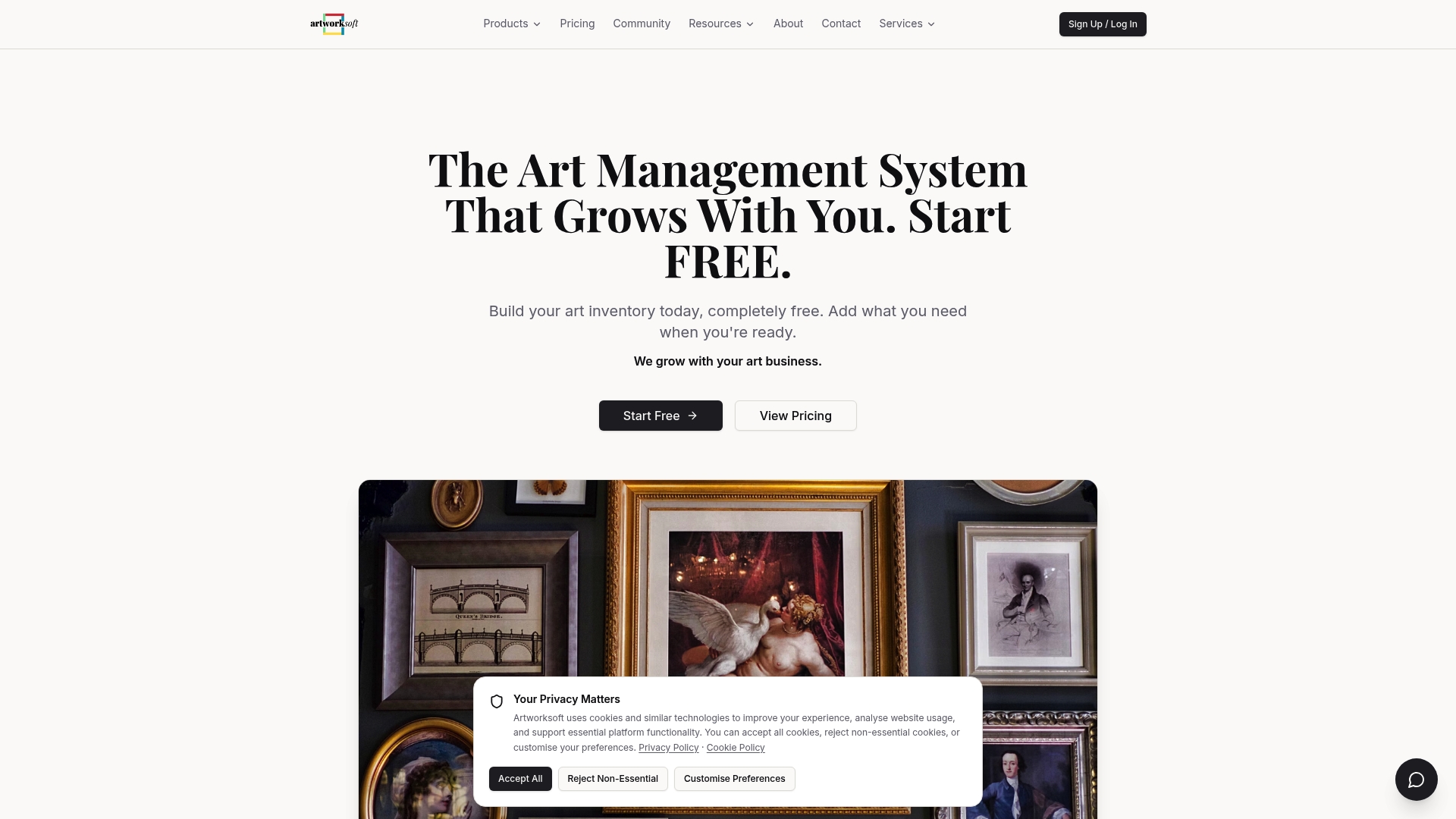
The platform’s art inventory system keeps all artwork records, including title, medium, dimensions, year, and location, in one place. That centralized record makes building a PDF or updating a website significantly faster. Artworksoft also supports sharing artwork directly with galleries and clients, removing the need to rebuild presentation files for each contact. Artists who use the platform report that their submission preparation time drops considerably once their inventory is properly structured. The free art inventory system is available for emerging artists who want to start organizing their work without a financial commitment.
FAQ
What are the main types of art portfolio formats?
The main types are PDF submission packets, static gallery websites, subtly interactive websites, and immersive digital experiences. Each format serves a different purpose, from formal gallery submissions to ongoing online promotion.
How many artworks should a gallery submission PDF include?
A gallery submission PDF should include 10–15 artworks with consistent captions listing Title, Year, Medium, and Dimensions. Focused selections with a clear narrative are preferred over large, unedited collections.
What file size should an art portfolio PDF be?
An art portfolio PDF should be under 10MB to ensure email compatibility and reliable delivery to gallery reviewers. Larger files are frequently blocked by email servers or deprioritized by busy reviewers.
How should I organize categories in an online art portfolio?
Organize categories by medium, year, or series depending on your practice. Medium-based categories work best for multi-discipline artists, while series-based pages suit conceptual artists who work in defined bodies of work.
Do I need both a website and a PDF portfolio?
Yes. A website supports ongoing visibility and client browsing, while a PDF is the standard format for formal submissions to galleries, schools, and residency programs. Maintaining both keeps you prepared for any opportunity.