
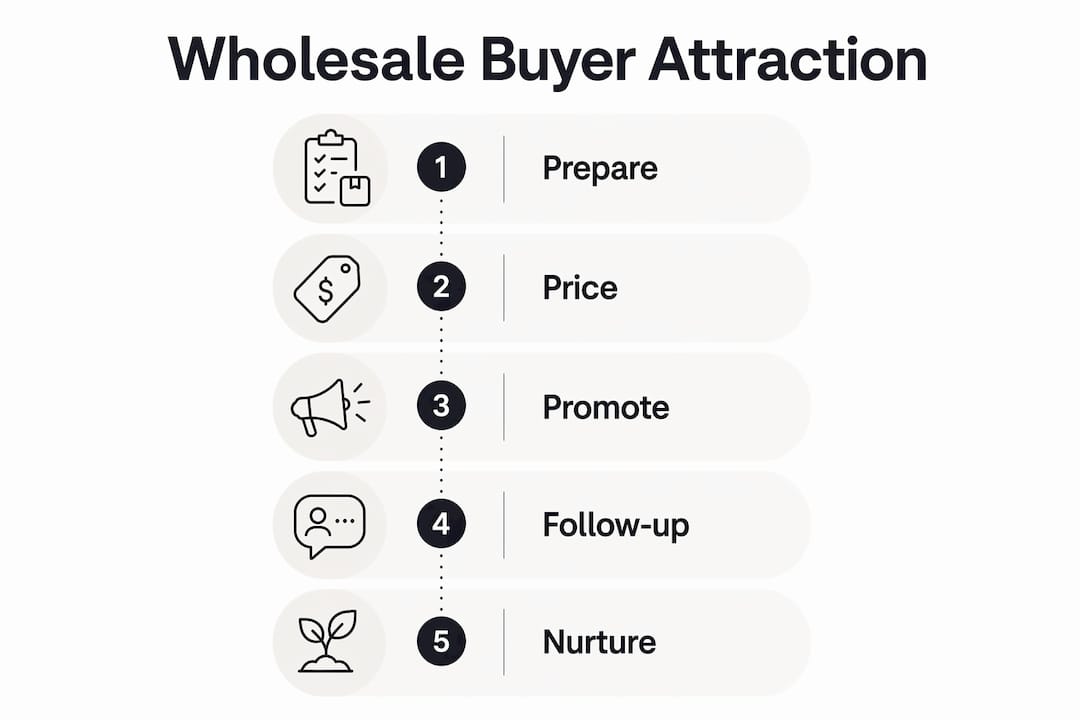
Attracting wholesale buyers is defined as the process of presenting your art business as a reliable, professional supplier that retailers and designers can purchase from in volume. Art businesses that succeed in wholesale do not wait to be discovered. They build wholesale-ready product presentations, set transparent pricing, and deploy targeted channels like Faire Wholesale and Shopify to reach verified buyers. This guide covers how art businesses attract wholesale buyers through preparation, pricing, platform strategy, and relationship management that generates repeat orders.
How art businesses attract wholesale buyers through preparation
Wholesale readiness is the single most important factor before any outreach begins. Buyers evaluate dozens of suppliers at once. Unclear offerings increase perceived risk, and products that do not photograph well or lack consistent demand signals get passed over immediately. The fastest path to wholesale traction is clarity in product presentation, not variety.
A wholesale-ready art business has four core components in place before approaching any buyer:
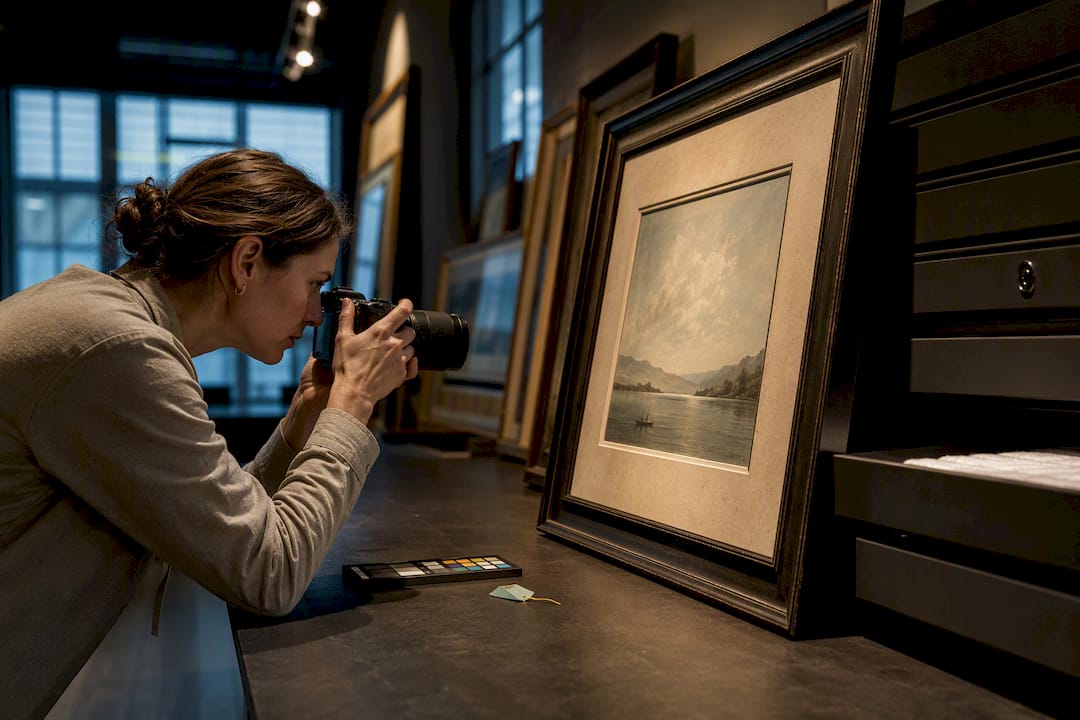
- Consistent product photography. Every piece should be shot on a clean, neutral background with uniform lighting. Buyers need to visualize how the work looks in a retail or hospitality setting.
- A concise brand statement. Two to three sentences explaining who you are, what you make, and who buys it. Buyers use this to assess fit with their customer base.
- A complete line sheet. This document is your wholesale sales tool. It must include clear wholesale and retail prices, minimum order quantities (MOQs), lead times, payment terms, and return policies.
- Operational clarity. Buyers need to know how orders are placed, how invoices are issued, and how shipping is handled before they commit.
Wholesale success depends more on professionalism and operational readiness than on expanding your product range. A focused lineup of your best sellers performs better than a catalog of 80 pieces with inconsistent presentation.
Pro Tip: Limit your wholesale line sheet to 10–20 products maximum. Buyers make faster decisions when the selection is curated and each piece has strong photography and clear pricing.

How should art businesses price their wholesale offerings?
Wholesale pricing for art follows a standard formula: set your wholesale price at approximately 50% of the retail MSRP. This preserves enough margin for the retailer to mark up and still sell competitively. Selling 20 prints at $10 each wholesale generates the same revenue as selling one at $20 retail, with the added benefit of bulk volume and a new stockist relationship.
The table below compares retail and wholesale pricing scenarios for a standard art print:
| Scenario | Unit Price | Units Sold | Total Revenue | Buyer Type |
|---|---|---|---|---|
| Direct retail sale | $40.00 | 1 | $40.00 | End consumer |
| Wholesale order | $20.00 | 10 | $200.00 | Retailer or gallery |
| Tiered wholesale (20+ units) | $17.00 | 20 | $340.00 | Volume buyer |
Tiered pricing rewards volume without devaluing the work. Set a standard wholesale rate and a second tier for orders above a defined quantity threshold. This gives buyers an incentive to place larger initial orders and reorders.
MOQs protect your margins and signal that you operate as a professional supplier. A common starting MOQ for art prints is 6–10 units per design. For original works or limited editions, MOQs may not apply, but minimum order values (such as $150 or $300 per order) serve the same purpose.
Pro Tip: Never set your wholesale price below your cost of goods plus fulfillment. Calculate your true unit cost including printing, packaging, and shipping before committing to any wholesale rate.
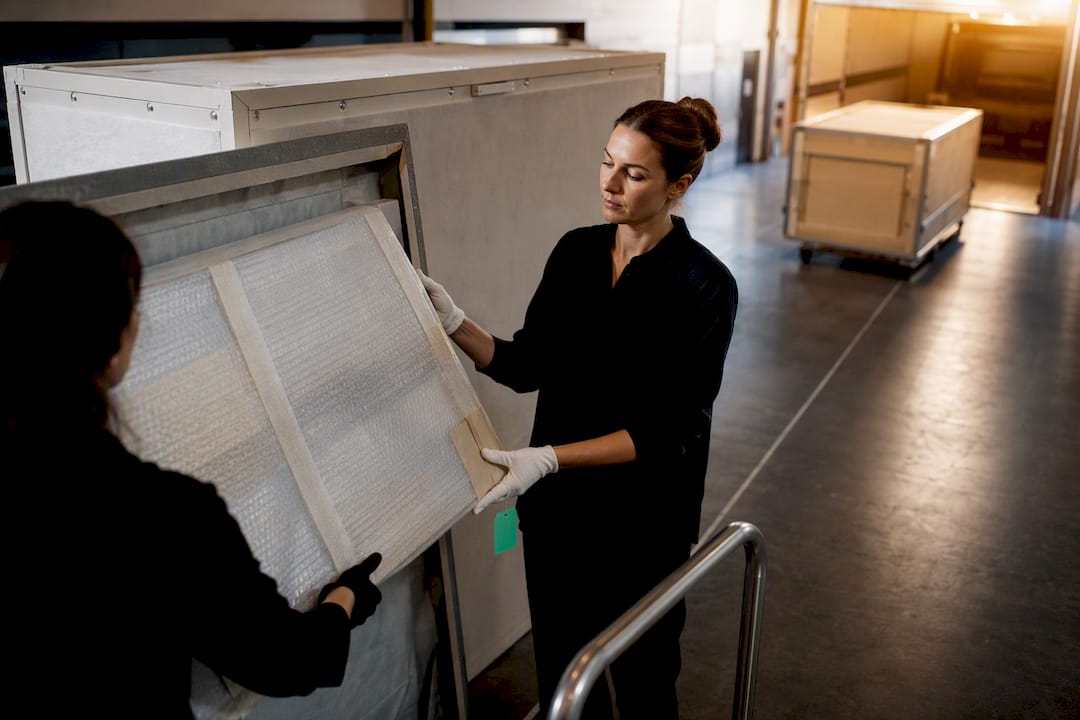
Packaging matters as much as pricing for wholesale buyers. Retail-ready packaging, meaning consistent sizing, branded tissue or backing, and protective materials, reduces the buyer’s preparation work and signals that you understand retail operations. Art businesses that use professional art printing services with consistent output quality have a clear advantage when presenting to wholesale accounts.
What channels and platforms can art businesses use to find wholesale buyers?
B2B marketplaces are the most direct channel for wholesale buyer outreach for artists. Faire Wholesale is the leading platform in this category. Sellers apply to join Faire; retailers must verify their business before purchasing. The platform charges commission only on sales made through it, and approved sellers receive free promotion during their first 30 days. Accurate product tags increase visibility in Faire’s search results, making catalog organization a direct revenue factor.
Shopify supports wholesale through its B2B features, allowing art businesses to create separate wholesale storefronts with custom pricing for verified buyers. This works well for businesses that already sell direct to consumers and want to add a wholesale channel without managing two separate systems.
Beyond platforms, art businesses use these channels to connect with wholesale buyers directly:
- Trade shows and design markets. Events like the National Stationery Show or regional art fairs attract buyers actively sourcing new suppliers. A well-designed booth with a printed line sheet and order forms converts interest into signed orders on the day.
- Targeted outreach to interior designers. Interior designers are among the most consistent repeat wholesale buyers in the art sector. Outreach should include a designer discount structure, a portfolio of completed projects, and a clear procurement process.
- Local retail and hospitality accounts. Boutique hotels, restaurants, and independent retailers often prefer to source locally. A direct visit with samples and a line sheet is more effective than a cold email for this segment.
Offering free site assessments or sample loans to designers reduces buying risk and accelerates procurement decisions. Operational clarity on quoting, approvals, shipping, and installation builds the trust that converts a first inquiry into a signed order.
Pro Tip: When listing on Faire, treat your product tags the same way you would treat SEO keywords. Buyers search by style, medium, color palette, and room type. Tag every product with all relevant attributes.
How do art businesses nurture long-term wholesale buyer relationships?
The first order is not the goal. Repeat orders are. Wholesale relationships compound over time through reorders, referrals, and stockists who actively promote your work to their customers. The quality of your first order fulfillment determines whether a buyer places a second.
Building relationships with wholesalers requires consistent, structured follow-up. Interior designers, in particular, become reliable repeat buyers when artists deliver professionally and maintain contact every 6–8 weeks with new options or seasonal updates. This cadence keeps your work top of mind without becoming intrusive.
Operational practices that sustain wholesale relationships include:
- Maintaining a limited, coherent product lineup. Stocking what works and resisting the urge to constantly rotate your catalog gives buyers confidence that reorders will be fulfilled consistently.
- Tailoring fulfillment for bulk volume. Bulk ordering affects storage, packing schedules, inventory tracking, and cash flow. Build workflows that handle these demands before scaling your wholesale accounts.
- Clear invoicing and payment terms. Net 30 payment terms are standard in wholesale. Issue invoices promptly and follow up on overdue accounts professionally.
- After-sales follow-up. A brief check-in two weeks after delivery confirms the buyer received the order in good condition and opens the door to feedback and future orders.
Tracking sales and transaction data across your wholesale accounts reveals which buyers reorder most frequently, which products move fastest, and where to focus your relationship management effort. Art businesses that use inventory and sales management tools maintain this visibility without manual tracking.
Key Takeaways
Art businesses that attract and retain wholesale buyers do so through professional preparation, transparent pricing, targeted channel selection, and consistent relationship management.
| Point | Details |
|---|---|
| Wholesale readiness first | Prepare consistent photography, a complete line sheet, and clear operational terms before any outreach. |
| Price at 50% of retail | Set wholesale prices at approximately 50% of MSRP to preserve retailer margins and enable bulk sales. |
| Use B2B platforms | List on Faire Wholesale and Shopify B2B to reach verified buyers actively sourcing new suppliers. |
| Follow up every 6–8 weeks | Maintain a consistent contact cadence with buyers, especially interior designers, to build repeat order pipelines. |
| Track wholesale performance | Use inventory and sales tools to monitor reorder rates, top products, and buyer activity across accounts. |
Why wholesale success starts long before the first pitch
Art businesses often approach wholesale as a marketing problem. The real issue is almost always an operations problem. I have seen businesses with genuinely strong work lose wholesale accounts because their line sheet was incomplete, their lead times were inconsistent, or their invoicing process confused buyers who expected standard B2B terms.
The businesses that build durable wholesale revenue share one trait: they treat wholesale as a separate business channel with its own systems, not as an extension of their direct sales. They maintain a dedicated product lineup for wholesale, separate from what they sell on Instagram or at art fairs. They track buyer activity and follow up on a schedule. They know their cost of goods precisely enough to price confidently.
The other mistake I see repeatedly is launching wholesale too early, before the product photography is strong, before the line sheet is complete, and before the fulfillment process can handle bulk orders. A poor first impression with a wholesale buyer is very difficult to reverse. Buyers have too many options to give a second chance to a supplier who was not ready.
The technology side of this is underused. Art businesses that use dedicated inventory and artwork management tools maintain the product data, pricing records, and transaction history that wholesale buyers expect from a professional supplier. That infrastructure is not optional at scale. It is what separates a business that lands one or two wholesale accounts from one that builds a network of 20 or 30 active stockists.
Wholesale is not passive income. It is active relationship management with a longer sales cycle and higher order values. Art businesses that understand this from the start build the right systems, price correctly, and show up consistently for their buyers.
— Nealda
Artworksoft supports your wholesale operations from day one
Art businesses managing multiple wholesale accounts need more than a spreadsheet to stay organized. Artworksoft provides artwork profile management, sales and transaction tracking, and movement and logistics coordination in one platform built specifically for the art sector.
Every wholesale account requires accurate product records, clear pricing data, and reliable order tracking. Artworksoft connects all three, giving art businesses the operational foundation that wholesale buyers expect from a professional supplier. The platform also supports Certificate of Authenticity generation and artwork documentation, which add credibility to every wholesale transaction. Start your free art inventory system today and build the infrastructure your wholesale business needs to grow.
FAQ
What makes an art business wholesale-ready?
A wholesale-ready art business has consistent product photography, a complete line sheet with pricing and MOQs, and clear operational terms covering payment, shipping, and returns. Buyers make faster decisions when all this information is available upfront.
What is the standard wholesale pricing formula for art?
The standard wholesale price is approximately 50% of the retail MSRP. This preserves enough margin for the retailer while making bulk purchasing financially viable for the art business.
Which platforms are best for wholesale buyer outreach for artists?
Faire Wholesale and Shopify B2B are the leading platforms for connecting art businesses with verified wholesale buyers. Faire charges commission only on platform sales and offers free promotion during the first 30 days after approval.
How often should art businesses follow up with wholesale buyers?
Art businesses should contact active wholesale buyers every 6–8 weeks with new options or seasonal updates. This cadence is particularly effective with interior designers, who are among the most consistent repeat buyers in the art sector.
How do wholesale relationships generate long-term growth?
Wholesale relationships compound through repeat orders, referrals, and stockists who promote your work to their own customers. Clear invoicing, reliable fulfillment, and consistent follow-up are the primary drivers of long-term wholesale account retention.