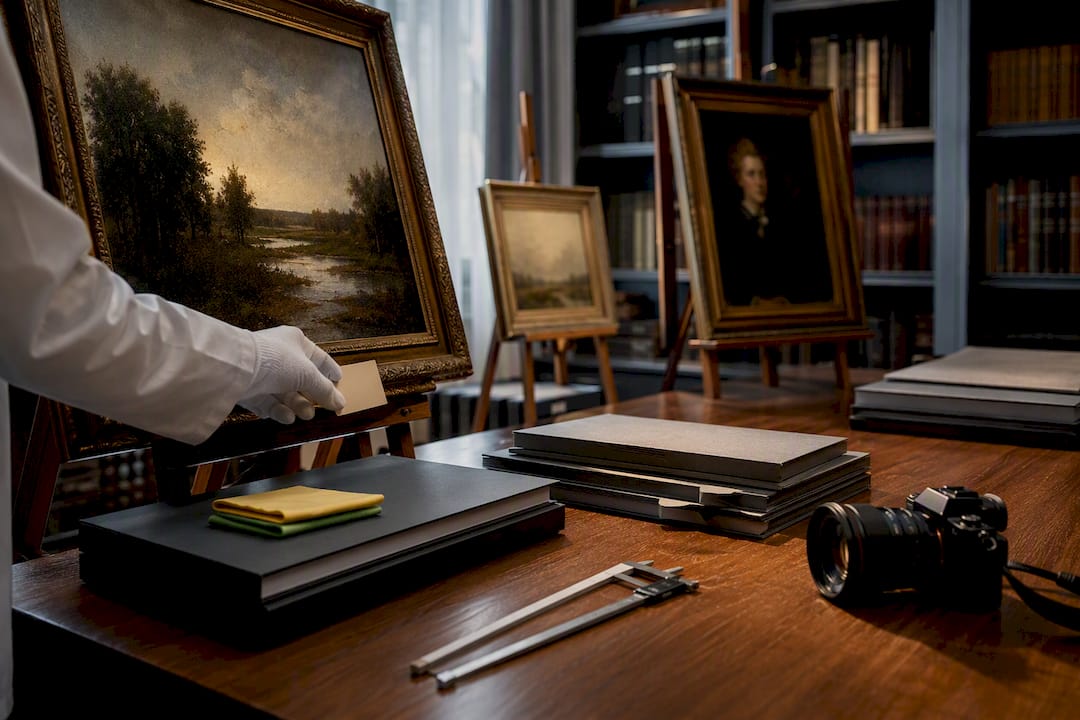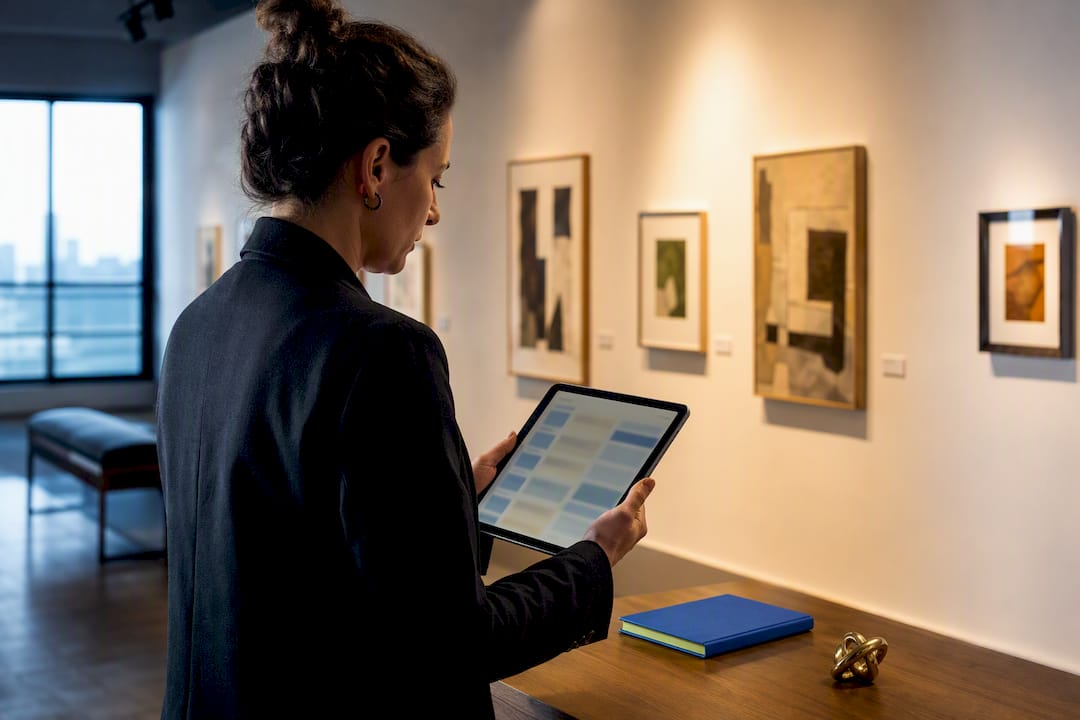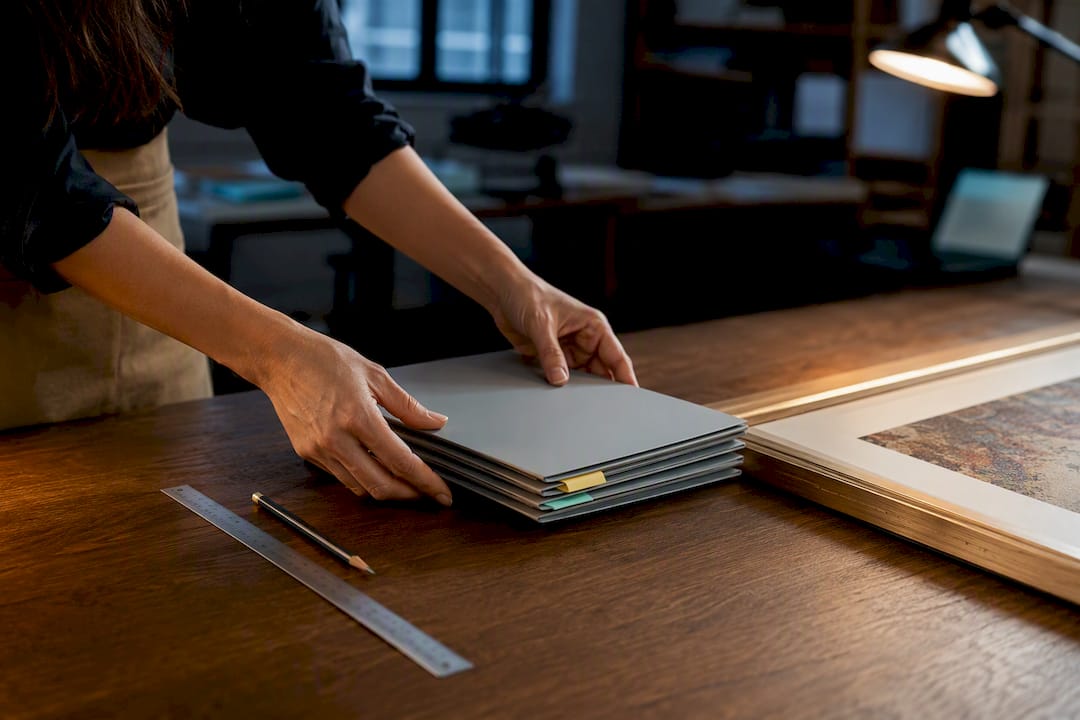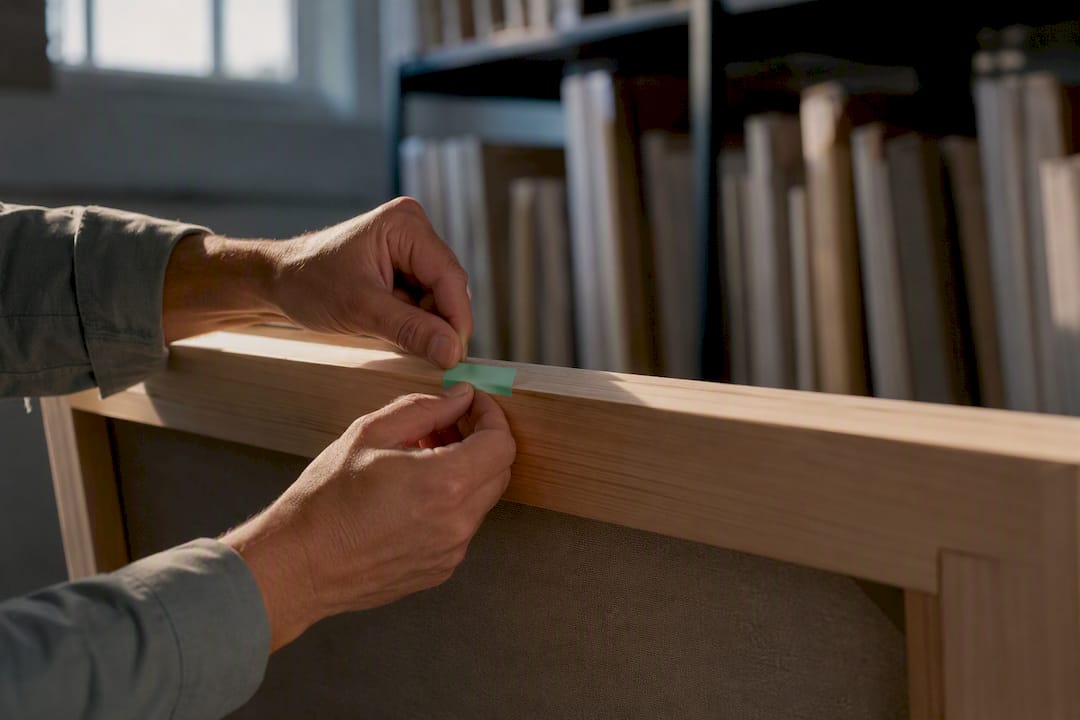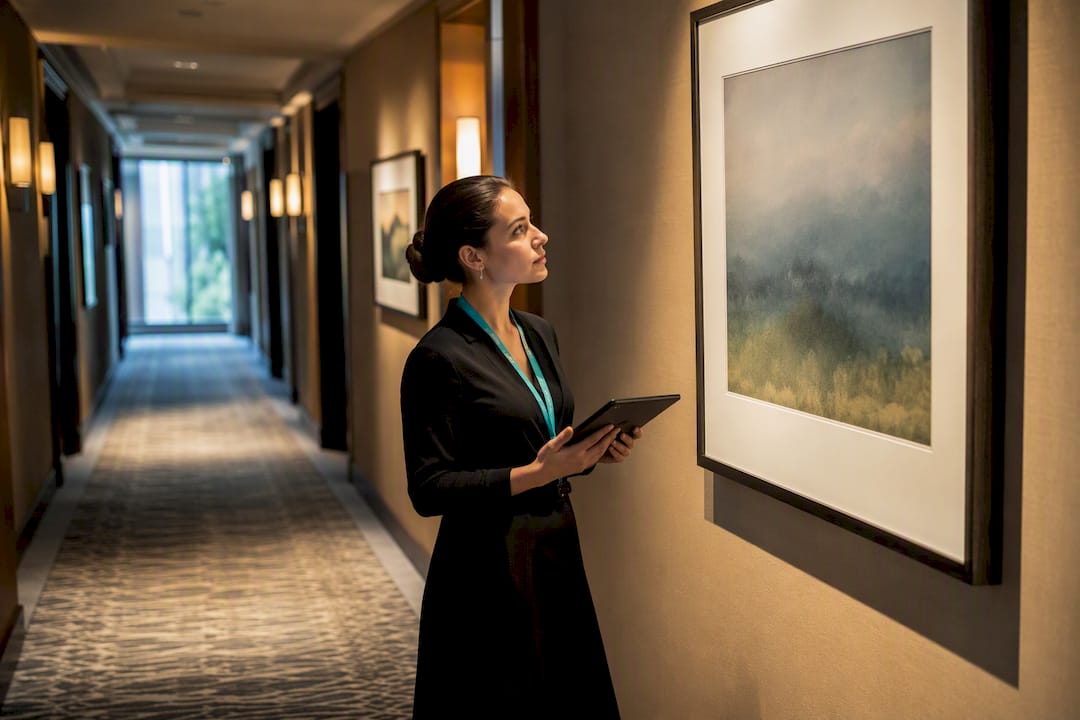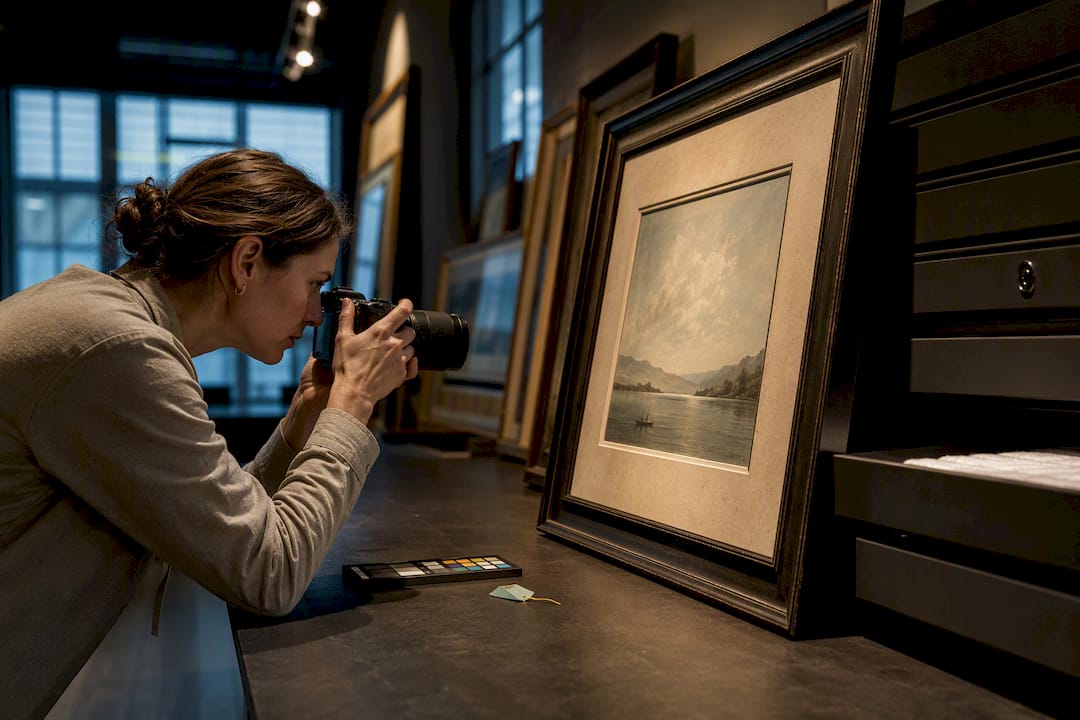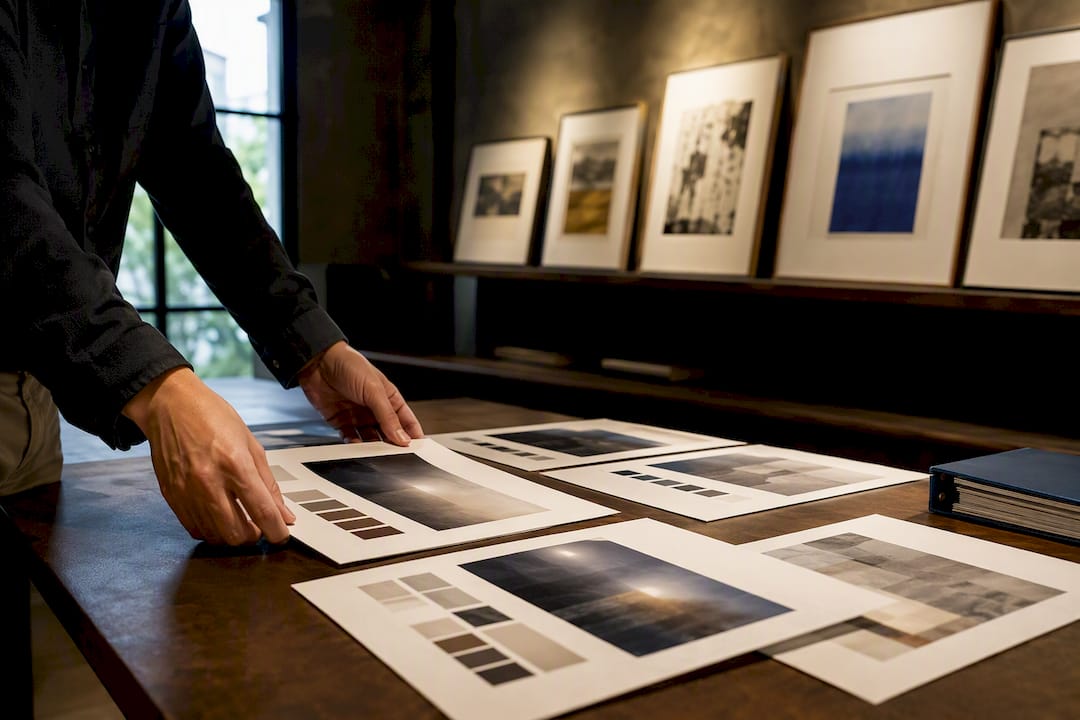

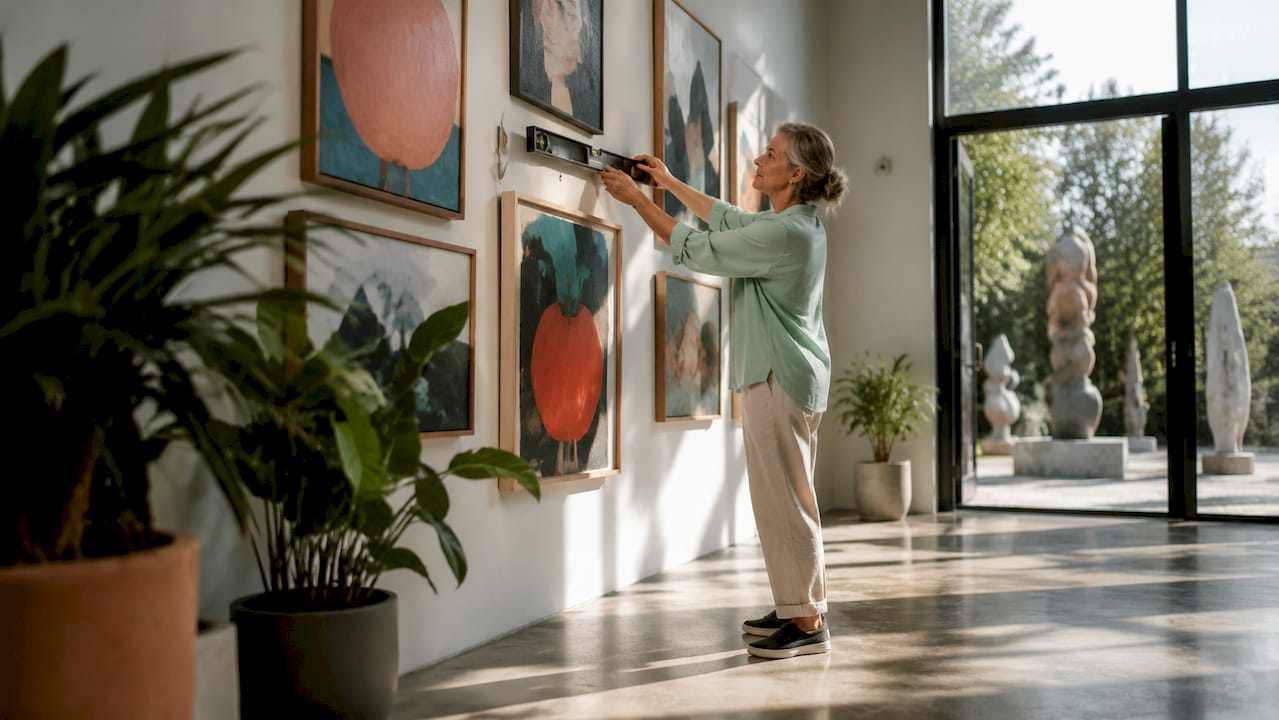
A curated art collection display is the intentional arrangement of artwork centered around a specific theme, era, artist, or emotional narrative to create a cohesive visual journey. In professional practice, this approach is called exhibition curation, and it applies just as powerfully to a home living room as it does to a museum gallery. The difference between a wall covered in art and a curated display is intention. Every piece is chosen and placed to contribute to a larger story, not simply to fill space. Understanding this distinction is the first step toward transforming any collection into a display that genuinely engages viewers.
What is a curated art collection display vs. a random arrangement?
A random art display places pieces on a wall based on availability, size, or habit. A curated art collection display organizes works around a deliberate framework, whether that is a shared color palette, a single artist’s progression, a geographic region, or a specific period in art history.
The practical difference shows up immediately in how viewers respond. A random arrangement produces visual noise. A curated display produces a visual sequence that guides the eye and holds attention. Consider the contrast between a hallway covered in unrelated prints of varying frame styles versus a focused grouping of five black-and-white photographs from the American Southwest, all in matching frames, arranged at consistent eye level. The second arrangement tells a story. The first does not.
Curated displays differ from random ones in several specific ways:
- Thematic unity: Every piece connects to a central idea, whether by subject, medium, artist, or era.
- Intentional selection: Works are chosen because they contribute to the narrative, not because they are available.
- Spatial awareness: The arrangement accounts for wall size, furniture placement, and viewer distance.
- Emotional arc: The sequence of pieces creates a progression, from an anchor work to supporting pieces that expand the theme.
- Consistent presentation: Frame styles, matting, and lighting are coordinated to reinforce the collection’s identity.
Effective curation balances three elements: the artwork, the space, and the viewer. Each of those three factors shapes every display decision, from which piece hangs at center to how much wall space surrounds each frame.
What are the core principles professional curators use?

Professional curators apply a consistent set of technical standards that any collector can adopt. These principles are not arbitrary preferences. They are the result of decades of gallery practice refined to maximize viewer engagement and artwork preservation.
The 58–60 inch rule
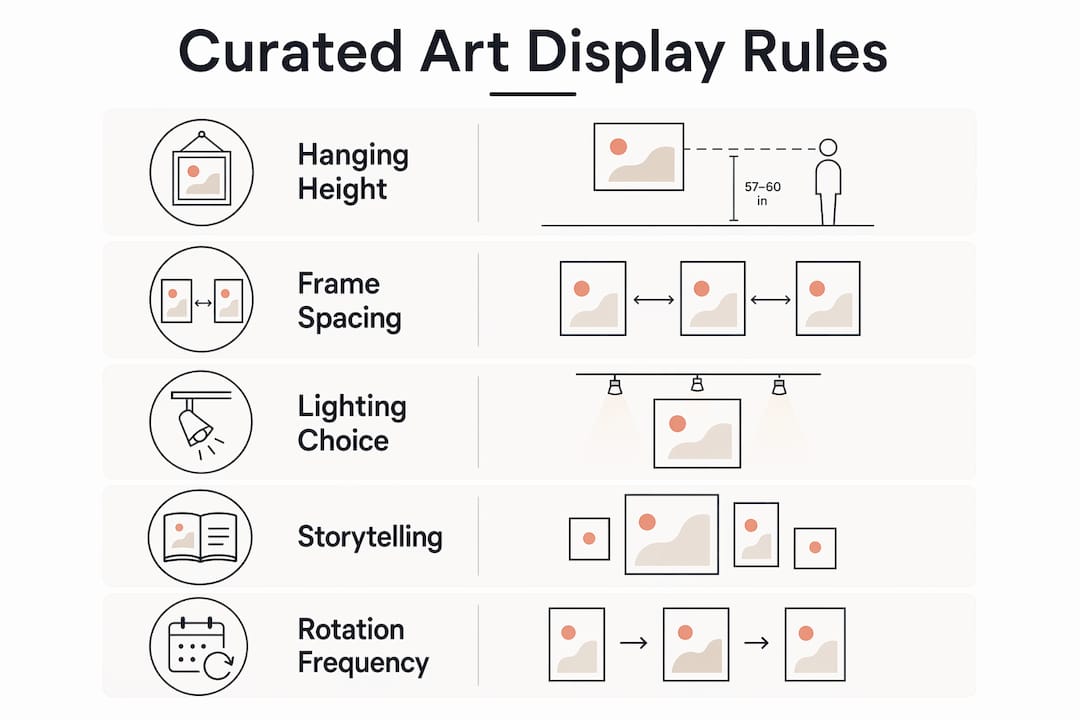
The 58–60 inch rule is the industry standard for hanging artwork. The center of each piece should sit 58–60 inches from the floor, placing it at average adult eye level. Ignoring this standard leads to inconsistent sight lines that make a display feel disconnected or visually “floating.” Museums and galleries worldwide apply this rule as a baseline, adjusting only when architectural features require it.
Spacing and negative space
Maintaining 2–3 inches of space between frames is a non-negotiable principle in professional curation. That gap provides negative space, which gives each piece room to be seen as an individual work rather than part of a visual blur. Successful curation prioritizes negative space as much as the artwork itself, achieving balance and preventing a crowded look that diminishes each piece’s impact.
Lighting standards
UV-filtered LED lighting is the recommended choice for both preservation and presentation. Standard incandescent or halogen bulbs emit heat and ultraviolet radiation that degrade pigments over time. UV-filtered LEDs eliminate that risk while producing accurate color rendering. Collectors often underestimate lighting’s role, but it is the single most important factor for both artwork preservation and viewer experience.
Storytelling through arrangement
The table below summarizes the core technical standards used in professional art display curation:
| Principle | Standard | Purpose |
|---|---|---|
| Hanging height | 58–60 inches from floor to center | Consistent eye-level viewing |
| Frame spacing | 2–3 inches between frames | Negative space, visual clarity |
| Lighting type | UV-filtered LED | Preservation and color accuracy |
| Gallery wall size | 9–12 pieces, varied sizes | Salon-style visual depth |
| Hanging system | Rail-based with adjustable hooks | Flexibility and wall protection |
Pro Tip: Before placing a single nail, create a paper template of each piece and tape it to the wall. This storyboard method lets you test the full arrangement without committing to holes, and it reveals spacing problems that are invisible on paper alone.
How do you plan and execute a curated home art display?
Planning a curated display at home follows the same logic used by gallery professionals. The process is sequential, and skipping steps produces the random results that curation is designed to avoid.
-
Define your theme or narrative. Choose one organizing principle before selecting any artwork. This could be a color story, a single artist’s body of work, a geographic focus, or an emotional tone such as calm versus tension. The theme is the filter through which every subsequent decision passes.
-
Select works based on theme, medium, and size variety. A strong display typically includes one anchor piece, two to three mid-size supporting works, and several smaller pieces that fill the composition. Gallery wall arrangements of 9–12 pieces with varying sizes and mediums, arranged salon-style with consistent 2–3 inch spacing, produce the most visually engaging results.
-
Apply the “one wall, one story” principle. Each wall in a space should tell a single, focused story. Spreading unrelated groupings across multiple walls in the same room creates visual competition rather than coherence. Commit one wall to one narrative, then treat adjacent walls as separate chapters.
-
Map the layout before hanging. Use paper templates or a digital layout tool to plan the arrangement on the floor or wall before drilling. This step prevents the most common mistake in home displays: hanging pieces individually without accounting for how they relate to each other as a group.
-
Install with professional-grade hardware. Rail-based hanging systems with adjustable hooks preserve walls and artwork, allowing easy relocation and rotation without damage. Adhesive hooks and single nails are not adequate for collections of value, either financially or personally.
-
Plan for rotation. Rotating artworks in and out of display refreshes the aesthetic and prevents static arrangements from being ignored. A rail system makes this practical without repeated wall repairs.
Pro Tip: Use a gallery wall layout guide to experiment with frame combinations and spacing before purchasing additional frames or hardware. Seeing the full composition in advance saves both time and money.
What are the benefits of a curated art collection display?
A well-executed curated display delivers benefits that extend well beyond visual appeal. For collectors and enthusiasts, the advantages are practical, preservational, and experiential.
- Personal expression with clarity. Curation transforms a collection from a storage problem into a statement. A focused display communicates the collector’s perspective, taste, and knowledge more effectively than a wall of unrelated pieces ever could.
- Spatial harmony. A curated arrangement works with a room’s architecture, furniture, and light rather than against it. The result is a space that feels considered and complete rather than decorated as an afterthought.
- Artwork preservation. Proper hanging height, UV-filtered lighting, and professional hardware all reduce the physical risks to artwork. Curation is not just an aesthetic practice. It is a preservation practice.
- Viewer engagement. Curated displays function as storytelling, and adding context such as descriptive cards or digital links connects viewers directly to artist intent. That context transforms passive observation into active engagement.
- Collection evolution. A display designed for rotation keeps the collection alive. Pieces cycle in and out based on season, mood, or new acquisitions, which means the collection grows in visibility rather than sitting in storage.
“Curation is not about filling every wall space, but about creating intentional narratives with breathing room to avoid visual clutter.”
The most overlooked benefit is discipline. Curation forces collectors to make choices, and those choices clarify what the collection is actually about. That clarity has practical value when it comes to managing artwork profiles, documenting provenance, and making informed acquisition decisions.
Key Takeaways
A curated art collection display succeeds when it combines intentional selection, professional hanging standards, proper lighting, and a clear narrative that guides the viewer from piece to piece.
| Point | Details |
|---|---|
| Definition of curation | Intentional arrangement around a theme, era, or narrative creates a cohesive visual experience. |
| Hanging standard | Place the center of each artwork 58–60 inches from the floor for consistent eye-level viewing. |
| Spacing rule | Maintain 2–3 inches between frames to provide negative space and prevent visual fatigue. |
| Lighting choice | UV-filtered LED lighting preserves pigments and produces accurate color rendering. |
| Rotation practice | Cycling pieces in and out of display keeps collections fresh and prevents visual stagnation. |
Why intention matters more than quantity
The most common mistake I see collectors make is treating display as a quantity problem. They ask how many pieces to hang rather than which pieces belong together. That question produces walls that are full but not meaningful.
The “one wall, one story” principle changed how I think about display entirely. A single wall with seven carefully chosen works, properly spaced and lit, communicates more than three walls covered in everything a collector owns. The restraint is the point. Negative space is not wasted space. It is the visual equivalent of silence in music, and it gives each piece room to be heard.
Lighting is the other factor collectors consistently underestimate until they see the difference firsthand. A painting under warm incandescent light and the same painting under a properly aimed UV-filtered LED are not the same viewing experience. The LED version shows the work as the artist intended. The incandescent version shows a version of it, degraded and warm-shifted.
The practical lesson is this: invest in the infrastructure before you invest in more art. A rail-based hanging system and quality lighting fixtures will do more for your existing collection than adding ten new pieces to a poorly lit wall. Build the display environment first, then fill it with intention.
— Nealda
Manage your collection with Artworksoft
Building a curated display requires knowing exactly what you own, where each piece is located, and what it is worth. Artworksoft provides a free art inventory system that connects artwork, locations, and documentation in one place. Collectors can build detailed artwork profiles, generate Certificates of Authenticity, and track every piece across multiple locations. The platform’s structured valuation formula removes guesswork from pricing, which matters when you are making informed decisions about what to display, rotate, or sell. For collectors who take curation seriously, Artworksoft provides the art documentation tools that support every display decision with accurate, organized records.
FAQ
What is the standard hanging height for curated art displays?
The industry standard places the center of each artwork 58–60 inches from the floor. This height aligns with average adult eye level and creates consistent sight lines across a display.
How many pieces should a gallery wall include?
A gallery wall typically includes 9–12 pieces with varying sizes and mediums, arranged salon-style with 2–3 inches of spacing between frames. That range provides visual depth without overcrowding.
What lighting is best for displaying art at home?
UV-filtered LED lighting is the recommended choice for home art displays. It preserves pigments by eliminating ultraviolet radiation and produces accurate color rendering that reflects the artist’s original intent.
What is the difference between curated and non-curated art displays?
A curated display organizes works around a specific theme, narrative, or artist with intentional spacing and lighting. A non-curated display places pieces based on availability or habit, without a unifying framework.
How often should you rotate a curated art display?
Rotation frequency depends on collection size and personal preference, but interior design professionals recommend refreshing displays seasonally or whenever new acquisitions alter the collection’s thematic balance.