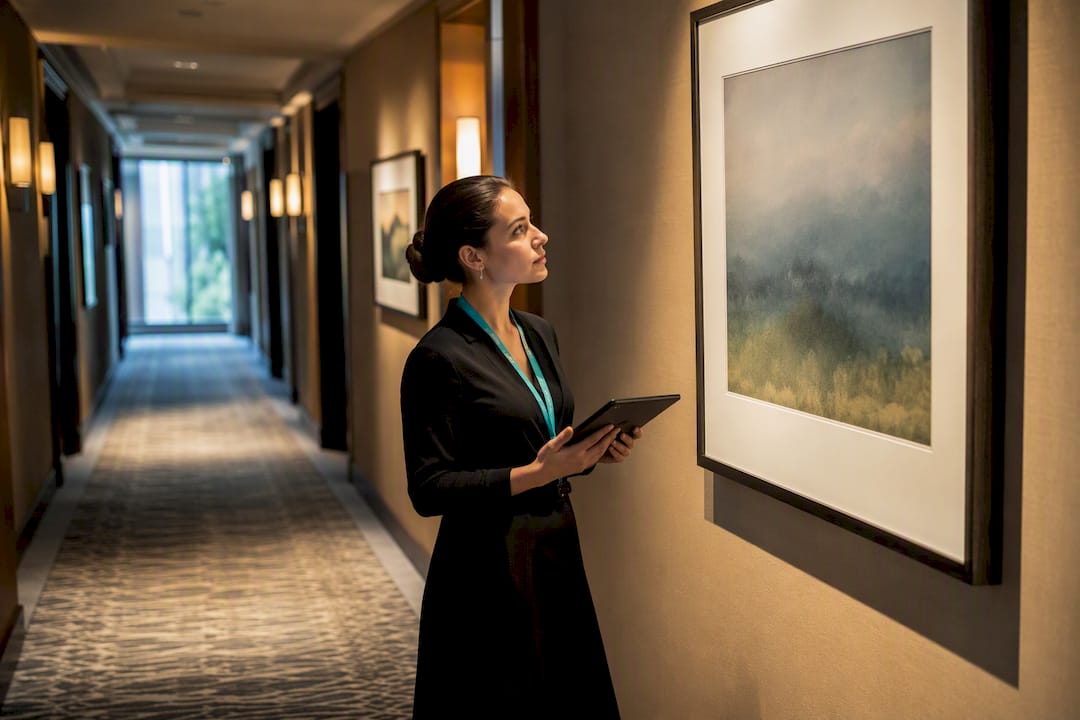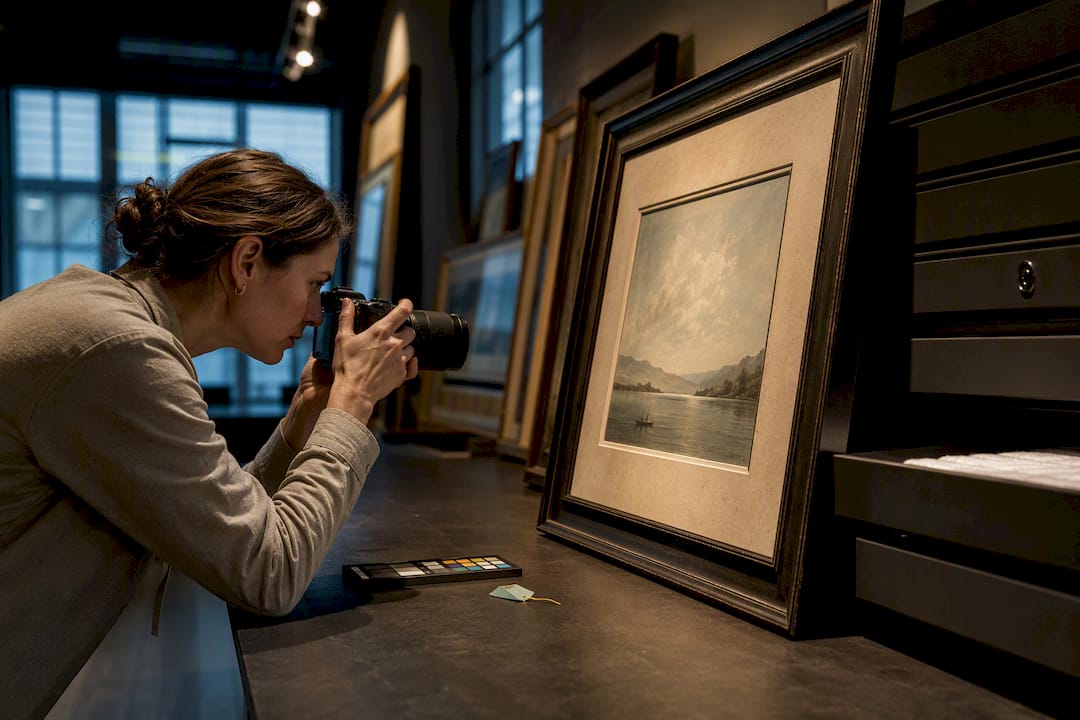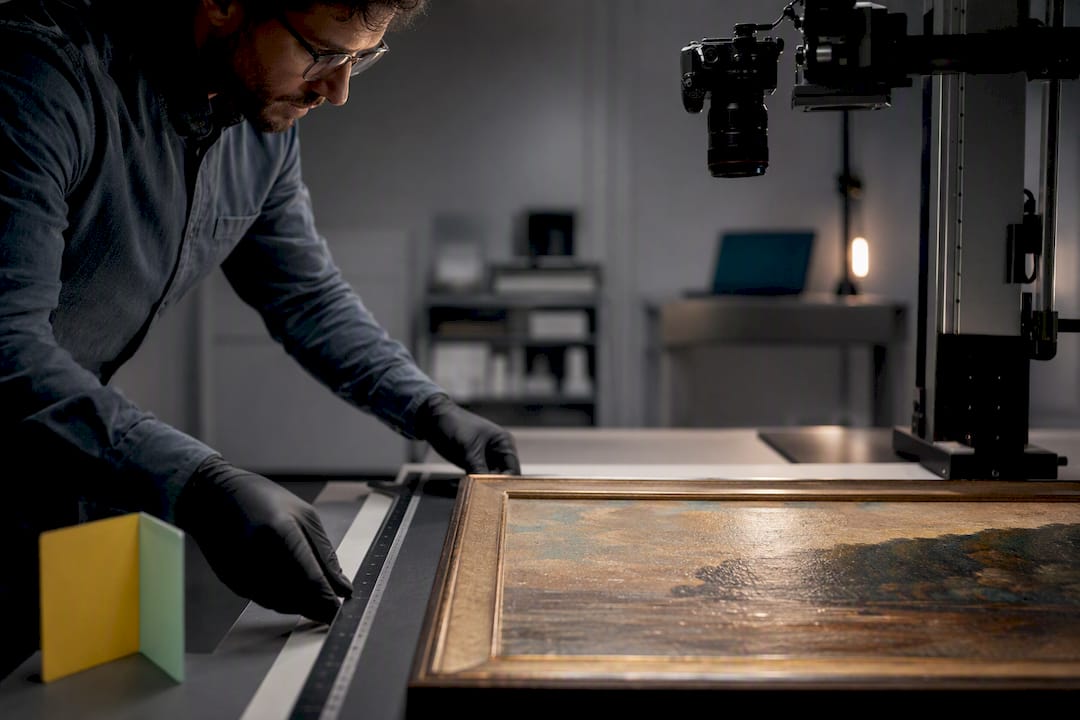

An art business profile is a dynamic digital and physical presentation that communicates your artistic vision, market value, and professional credibility to collectors, galleries, and buyers. Art business profile building explained simply means constructing every touchpoint of your professional presence, from your website bio to your LinkedIn headline, so each one reinforces the same clear message. Platforms like LinkedIn, artist websites, and inventory systems like Artworksoft all play a role in this process. The digital art market is valued at $6.69 billion with a 14.66% CAGR, which means collectors and buyers are actively searching online. Your profile is the first thing they find.
What are the key components of a successful art business profile?
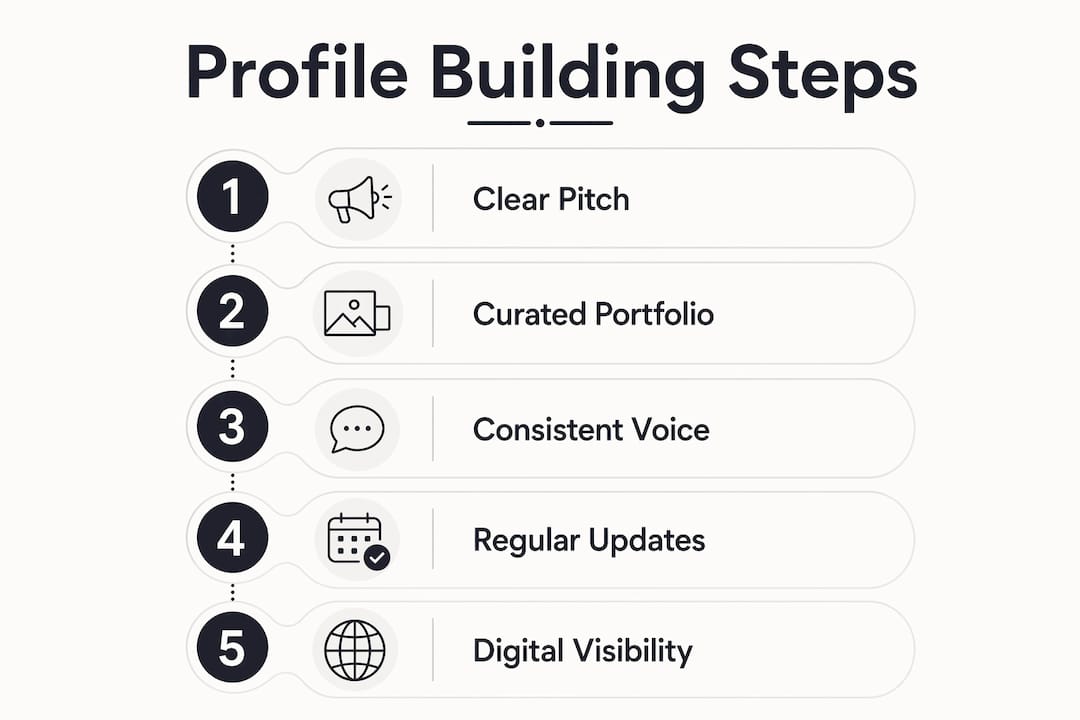
A strong art business profile starts with a clear elevator pitch. A curated pitch of 200 characters paired with a portfolio of 10–20 thematic pieces gives collectors an immediate sense of who you are and what you make. That brevity forces clarity. Most emerging artists write too much and say too little.
The core components of a compelling profile include:
- Elevator pitch and unique selling proposition. State your medium, your subject, and your “why” in two sentences or fewer. This is the first thing a gallery director or collector reads.
- Narrative storytelling. Explain why you chose your medium and what drives the work. Buyers invest in artists, not just objects.
- Curated portfolio. Select 10–20 pieces organized around a clear theme. Unfiltered galleries signal a lack of editorial judgment.
- Digital assets. Short process videos and interactive content capture attention in a market growing at nearly 15% annually. Static images alone are no longer enough.
- Social proof. List juried fairs, exhibitions, awards, and private collections. These signals tell buyers that other credible people have already validated your work.
- SEO-friendly language. Use plain, searchable terms in your bio and image descriptions. Simple, declarative sentences improve AI indexing and make your profile accessible to global collectors.
Pro Tip: Write your artist statement as if explaining your work to a curious stranger on a flight. If they would not understand it, rewrite it.
Your profile is not a résumé. It is a sales document that also happens to tell a story. Every element should serve both functions at once.
How do emerging artists optimize their profiles for digital platforms?
Digital optimization is the process of making your profile findable, readable, and persuasive across search engines and social platforms. The goal is not just visibility. It is the right visibility, in front of buyers who are already looking for what you make.
Follow these steps to build a profile that performs on digital channels:
- Identify your niche. Pick one or two market categories, such as abstract expressionism or botanical illustration, and use those terms consistently across every platform. Algorithms reward specificity.
- Build a strong LinkedIn presence. Publishing 3–5 posts weekly plus one long-form article every 2–4 weeks builds authority with B2B buyers, art consultants, and corporate collectors.
- Optimize your headline and About section. Your LinkedIn headline should name your medium, your audience, and one outcome you deliver. End your About section with a clear call to action, such as a link to your portfolio or a contact invitation.
- Use the Featured section strategically. Pin case studies, press coverage, and business outcomes rather than general artwork images. Case-study-driven portfolios outperform quantity-based galleries for B2B buyers.
- Integrate inventory management tools. Artworksoft connects your artwork records, locations, and transaction history in one place. That organized backend makes it far easier to share accurate, professional information with buyers and galleries on demand.
Pro Tip: Use Google Search Console to find the exact phrases collectors type when looking for work like yours. Then place those phrases in your bio, alt text, and page titles.
Treating your profile as a dynamic digital asset rather than a static résumé increases its perceived value over time. Every new exhibition, sale, or press mention is an update that compounds your credibility.

What best practices maintain coherence and credibility across channels?
Coherence is the single most underrated factor in art business reputation management. Trust in the art business depends on coherence across pricing, presentation, and communication style. When your website shows one price range, your Instagram suggests another, and your email pitch uses a completely different tone, buyers sense the inconsistency and disengage.
The following practices keep your profile consistent and credible:
- Align your “why” across every channel. Your website bio, Instagram caption style, and LinkedIn About section should all tell the same story, even if the length and format differ.
- Match your pricing to your presentation. A gallery-quality website with discount-bin pricing creates confusion. Collectors use presentation as a proxy for value.
- Avoid jargon. Terms like “liminal space” or “deconstructed materiality” alienate buyers who are not art-world insiders. Accessible language builds a broader, more loyal audience.
- Use exhibitions and awards as validation anchors. Listing a juried show or a corporate collection placement tells buyers that credible institutions have already vetted your work.
- Organize your portfolio around impact, not volume. Galleries prioritize curated, impact-focused portfolios over large, unfiltered galleries. Ten strong pieces beat forty average ones every time.
“Coherence in brand messaging reduces friction and builds trust essential for collectors.” — Art Marketing News
A professional art portfolio is not just a collection of images. It is a curated argument for why a buyer should invest in your work. Every piece you include either strengthens or weakens that argument.
How can artists build sustainable business growth through their profiles?
Sustainable art business growth comes from treating your profile as a long-term asset, not a one-time setup task. Sustainability is about steady visibility, not viral moments. The artists who build lasting careers are the ones who show up consistently, update their profiles regularly, and communicate directly with their audience.
The table below compares two approaches to profile-driven growth:
| Approach | Static profile | Dynamic profile |
|---|---|---|
| Update frequency | Rarely updated | Updated after each show, sale, or press mention |
| Income sources | Original sales only | Prints, licensing, originals, and email list offers |
| Audience relationship | Passive followers | Active email subscribers with direct contact |
| B2B appeal | Low, no case studies | High, with documented outcomes and client results |
| Long-term value | Declines over time | Compounds with each new credential |
Diversifying income streams through a product ladder, which includes prints, originals, and licensing, alongside an owned email list, is the foundation of financial stability for artists. An email list gives you direct access to buyers without depending on any platform’s algorithm. That independence is worth more than any follower count.
Artists who treat business development as expansion work, rather than extra labor, grow income more effectively. The mindset shift matters. Your profile is not a distraction from making art. It is the mechanism that gets your art in front of the people who will pay for it.
Pro Tip: Build your email list from day one. Offer a free print download or a behind-the-scenes studio video in exchange for an email address. That list is your most valuable business asset.
Artworksoft supports this growth model by tracking inventory, documenting sales, and generating professional records like Certificates of Authenticity. Those records become part of your profile’s credibility infrastructure. A buyer who receives clean documentation alongside their purchase is far more likely to buy again and refer others.
Key Takeaways
A successful art business profile combines clear storytelling, curated presentation, and consistent digital visibility to attract collectors and build long-term credibility.
| Point | Details |
|---|---|
| Lead with a clear pitch | A 200-character elevator pitch paired with 10–20 curated pieces positions your work immediately. |
| Optimize for digital search | Use niche-specific keywords, LinkedIn content cadence, and simple language to improve discoverability. |
| Maintain coherence across channels | Align pricing, tone, and presentation on every platform to reduce buyer friction and build trust. |
| Diversify income through your profile | A product ladder and owned email list create financial stability beyond one-off original sales. |
| Treat your profile as a living asset | Update after every exhibition, sale, or press mention to compound credibility over time. |
The part of profile building most artists get wrong
Most emerging artists build their profile once and then leave it alone. That is the single biggest mistake I see. A profile that does not grow starts to signal stagnation, and collectors notice.
The second mistake is writing for other artists instead of writing for buyers. Artist statements full of theoretical language may impress peers, but they lose collectors in the first sentence. I have watched talented artists lose gallery interest simply because their bio read like an academic paper. Plain language is not a compromise. It is a professional skill.
The third mistake is treating every platform as separate. Your Instagram, your website, and your LinkedIn are not three different identities. They are three windows into the same business. When they tell different stories, buyers lose confidence. When they reinforce each other, your credibility multiplies.
Technology helps here, but only if you use it with intention. Artworksoft, for example, does not just store your inventory. It gives you the documentation and organization that make every client interaction feel professional. That consistency is what turns a first-time buyer into a repeat collector.
— Nealda
How Artworksoft supports your art business profile
Building a credible art business profile requires more than good writing. It requires organized records, accurate valuations, and professional documentation that holds up under scrutiny.
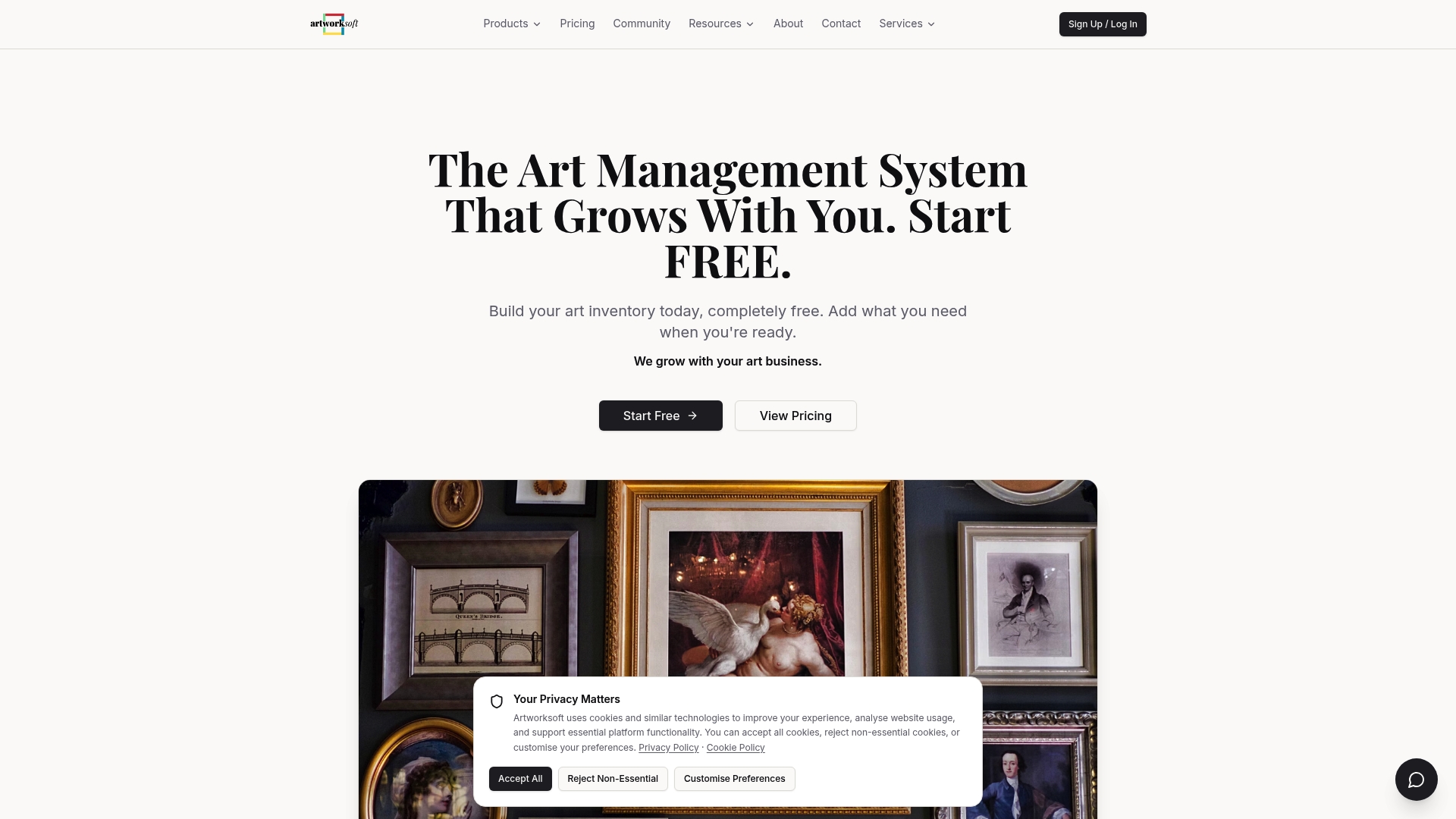
Artworksoft gives emerging artists and professionals the tools to manage their art inventory and artwork profiles in one place. The platform generates Certificates of Authenticity, tracks artwork locations and transactions, and provides a structured valuation formula that removes the uncertainty from pricing. Those records become part of your profile’s credibility infrastructure, giving collectors the confidence to buy and refer. Start building your profile with Artworksoft’s free inventory system and put a professional foundation under your art business today.
FAQ
What is an art business profile?
An art business profile is a structured presentation of an artist’s identity, work, pricing, and credentials across digital and physical channels. It includes a website, social media presence, portfolio, and supporting documentation like exhibition history and Certificates of Authenticity.
How many pieces should an artist include in their portfolio?
A curated portfolio of 10–20 thematic pieces is the recommended range for positioning. Fewer pieces with a clear theme outperform large, unfiltered galleries for both collectors and gallery directors.
Why does coherence matter in an art business profile?
Coherence across pricing, presentation, and communication style builds the trust collectors need before making a purchase. Inconsistency between channels creates doubt and reduces conversion.
How often should an artist update their profile?
Artists should update their profile after every exhibition, sale, press mention, or new body of work. A profile that reflects recent activity signals an active, credible career to buyers and platforms alike.
What is a product ladder for artists?
A product ladder is a range of offerings at different price points, such as prints, originals, and licensing, that allows collectors to enter at any budget level. It diversifies income and builds long-term buyer relationships.