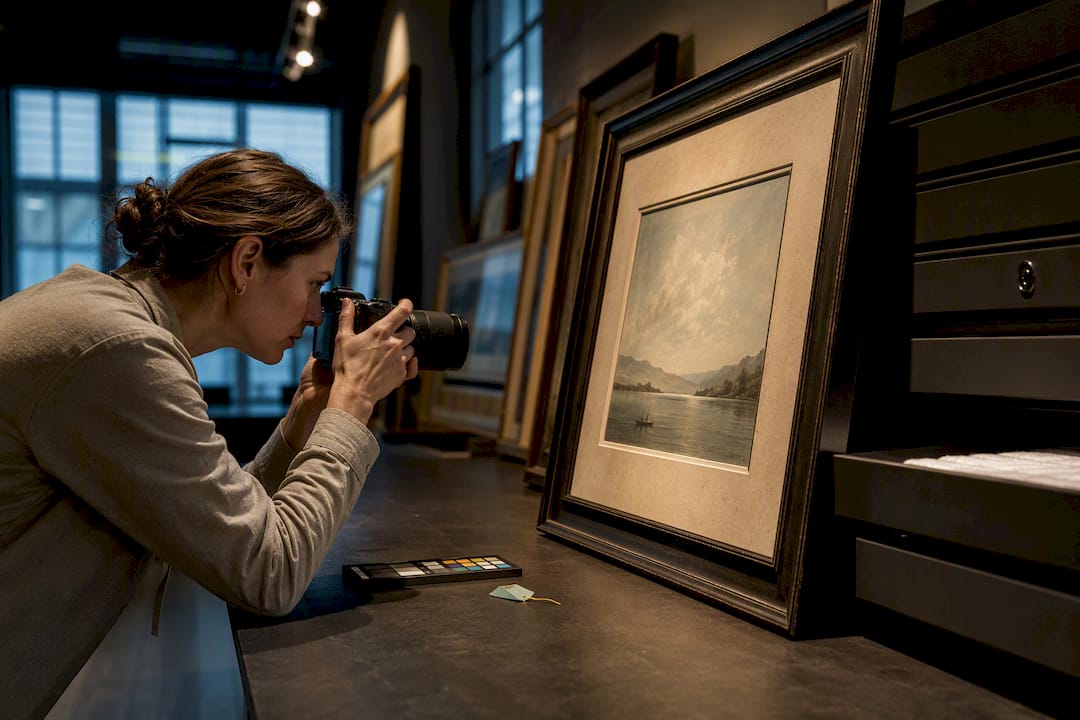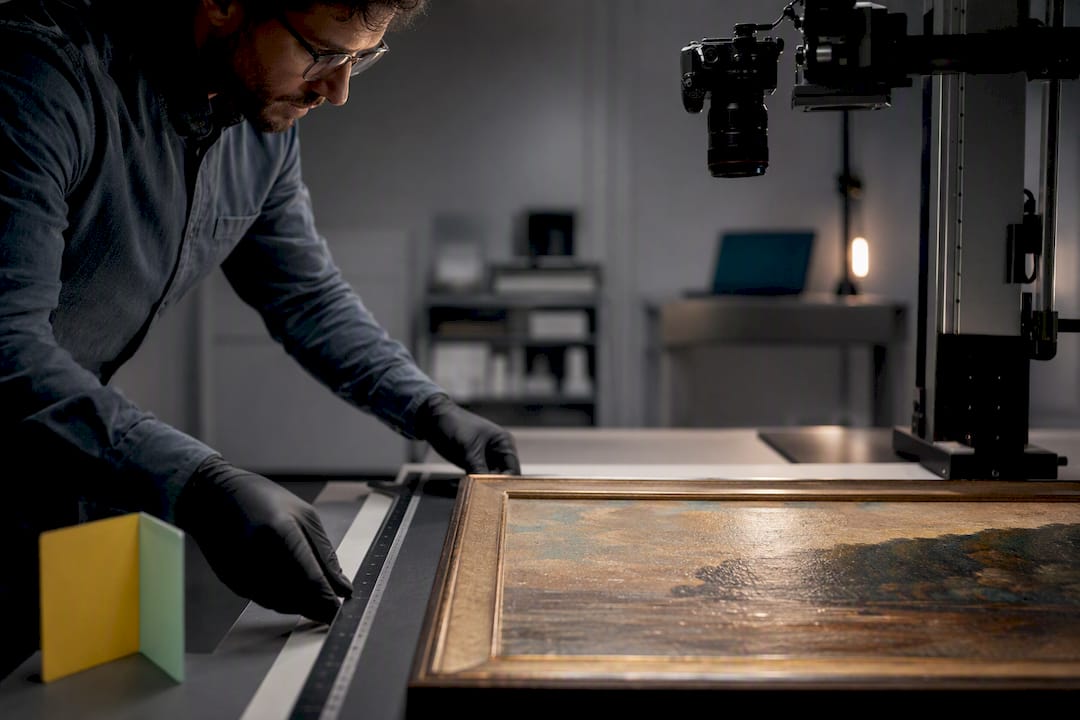


Art valuation is the process of determining an artwork’s monetary worth using established appraisal methods that reflect purpose, market conditions, and physical condition. Artists, collectors, and gallery owners each encounter different types of art valuation methods depending on whether they are pricing a sale, securing insurance, settling an estate, or claiming a tax deduction. The core industry term is “art appraisal,” and the method chosen directly determines the number produced. Selecting the wrong approach for the wrong purpose is one of the most costly mistakes in the art market.
What are the most common types of art valuation methods?
Art appraisal methods fall into seven recognized categories. Each serves a distinct purpose, and no single method applies to every situation.
- Comparative (Sales Comparison) Method: Appraisers analyze recent auction results and private sales for works by the same artist or comparable artists. This is the most widely used method for establishing fair market value.
- Replacement Cost Method: This method calculates what it would cost to replace an artwork with an equivalent piece in today’s market. It is the standard basis for insurance appraisals.
- Income Approach: Used primarily by investors, this method estimates value based on the income a work could generate, such as licensing fees or exhibition revenue.
- Cost Approach: This method adds up the direct costs of producing the work, including materials, studio time, and framing. It is most relevant for emerging artists setting initial prices.
- Fair Market Value (FMV): Fair market value is a complex analysis factoring in artist importance, condition, market demand, and auction history. It reflects a buyer-seller transaction free of compulsion or urgency.
- Expert Opinion Method: A qualified appraiser assigns value based on professional experience, scholarly knowledge, and market familiarity. This method applies when comparable sales data is absent or unreliable.
- Aesthetic Approach: Value is assessed based on artistic merit, cultural significance, and historical importance. Museums and cultural institutions use this approach most frequently.
Pro Tip: Always confirm the purpose of your appraisal before selecting a method. An insurance appraisal and a sale appraisal for the same painting will produce different numbers, and using one in place of the other creates legal and financial risk.
How do valuation methods differ in practical application?

The method an appraiser selects changes the outcome significantly. Understanding those differences protects artists and collectors from costly errors.
Insurance valuations use Retail Replacement Value, which typically exceeds fair market value by 20–40%. That gap exists because insurance appraisals incorporate framing, shipping, and rapid-acquisition costs that a standard market sale would not include. A collector who insures a painting at fair market value is underinsured from the moment the policy is signed.
Fair market value, by contrast, reflects what a willing buyer would pay a willing seller under normal conditions. Provenance, condition, and documented auction history all affect this number directly. A work with a clear ownership chain and recent comparable sales commands a higher FMV than an identical work with no documentation.
Forced liquidation value sits below fair market value because urgency removes the seller’s negotiating power. Estate sales and divorce settlements often produce forced liquidation scenarios. Collectors who need to sell quickly should understand that the price realized in those conditions does not represent the work’s true market value.
For emerging artists without a sales history, the Expert Opinion Method fills the gap. Appraisers apply a scarcity premium of 20–40% to insurance valuations when no comparable market data exists. This adjustment accounts for the difficulty of sourcing an equivalent replacement work.
Pro Tip: Request that your appraiser state the valuation purpose in writing at the top of every report. That single line prevents the wrong figure from being used in the wrong context.
What common mistakes do artists and collectors make with art valuation?
Valuation errors accumulate over time. Most collectors do not lose value in a single event. They lose it through a series of small, avoidable decisions.
-
Relying on purchase price as current value. The price paid at acquisition reflects market conditions at that moment. Markets shift, artist reputations change, and condition degrades. Collectors who rely solely on purchase price risk mispricing art because they ignore condition changes and provenance adjustments that a professional appraisal would capture.
-
Using unsophisticated online listings as comparables. Public “sold” listings on general marketplaces do not account for condition, provenance, or buyer’s premiums. They produce misleading benchmarks that inflate or deflate actual value.
-
Ignoring condition degradation. Art degradation occurs even in climate-controlled storage without regular condition check-ins. Hidden changes such as warping or micro-fissures reduce appraisal value before the collector notices anything is wrong. Tracking artwork condition over time is not optional for serious collectors.
-
Confusing insurance value with resale value. Insurance and market values serve fundamentally different purposes. Using an insurance appraisal to set a sale price inflates the asking price beyond what the market will bear.
-
Neglecting documentation and provenance. Resale value loss accumulates from subtle daily decisions, including lost receipts, missing exhibition records, and undocumented ownership transfers. Each gap in the paper trail reduces buyer confidence and lowers the price a collector can justify.
-
Leaving stored works without declared insurance coverage. Artworks forgotten in storage or secondary locations frequently lack declared insurance coverage. A significant portion of insurance claims involve transport and storage environments where coverage was never confirmed.
-
Waiting for an urgent event to commission an appraisal. Appraisals conducted under time pressure, such as before an estate settlement or a forced sale, produce less favorable outcomes. Regular valuation reviews give collectors the data they need before urgency dictates the terms.
How to choose the right art valuation method for your needs
Selecting the correct approach starts with defining the purpose of the appraisal before contacting an appraiser.
- For insurance: Use Replacement Cost or Retail Replacement Value. This method accounts for framing, shipping, and the cost of sourcing an equivalent work quickly. Review this appraisal every two to three years as market conditions shift.
- For sale pricing: Use Fair Market Value based on the Comparative Method. Auction records, gallery sales, and private transaction data provide the most reliable comparables. Artworksoft’s structured valuation formula supports this process by organizing comparable data alongside each artwork’s profile.
- For estate planning or legal matters: Fair Market Value is the standard required by the IRS and most courts. A qualified appraiser with USPAP (Uniform Standards of Professional Appraisal Practice) credentials produces a report that meets legal requirements.
- For equitable distribution: Marketable Cash Value, which reflects what a work would realistically sell for after commissions and fees, gives a more accurate picture than gross FMV for dividing assets between parties.
- For emerging artists pricing new work: The Cost Approach combined with an Expert Opinion provides a defensible starting price when no sales history exists.
- For investment analysis: The Income Approach applies when a collector holds works that generate licensing, reproduction, or exhibition revenue. This method is rarely used for visual art but is relevant for photography, prints, and digital works with active licensing programs.
Defining the purpose upfront prevents the most common art valuation mistakes collectors make: commissioning the wrong type of appraisal and then applying it to the wrong transaction. Proper art documentation supports every method by ensuring the appraiser has complete, accurate information from the start.
Key takeaways
The most reliable art valuation outcome comes from matching the correct appraisal method to a clearly defined purpose, supported by complete documentation and regular condition reviews.
| Point | Details |
|---|---|
| Match method to purpose | Insurance, sale, estate, and donation each require a different valuation approach. |
| Insurance exceeds market value | Retail Replacement Value runs 20–40% above fair market value due to replacement costs. |
| Documentation drives value | Missing provenance and ownership records reduce buyer confidence and lower achievable prices. |
| Condition requires active monitoring | Even climate-controlled storage produces hidden degradation that reduces appraisal value over time. |
| Avoid purchase price as a benchmark | Initial acquisition cost does not reflect current market conditions, condition changes, or provenance adjustments. |
Why I think most collectors underestimate the method problem
The conversation about art valuation almost always focuses on the number. Collectors want to know what their work is worth. What they rarely ask is which version of “worth” they actually need.
I have seen collectors present insurance appraisals to prospective buyers as evidence of value. The buyer’s agent immediately discounts the asking price because they recognize the figure includes replacement premiums that the open market will not pay. That single confusion costs the seller negotiating leverage before the conversation even starts.
The subtler issue is condition. Regular condition checks are critical even for art stored in climate-controlled environments. Most collectors check their works when they move them, not on a schedule. By the time a micro-fissure or a warped panel becomes visible, the damage to value has already occurred. A proper storage classification system combined with scheduled condition reviews prevents that loss.
My strongest advice is this: commission a valuation before you need one. The collectors who get the best outcomes are the ones who arrive at a sale, an insurance renewal, or an estate proceeding with current, purpose-specific appraisals already in hand. Reactive valuation is always more expensive than proactive valuation.
— Nealda
Artworksoft supports accurate valuation at every stage
Managing valuations across a growing collection requires organized records, not memory.

Artworksoft gives artists, collectors, and gallery owners a structured system to document condition, provenance, and valuation history for every work in their collection. The platform’s art inventory system connects artwork profiles to location records, transaction history, and condition notes in one place. That documentation directly supports insurance appraisals, sale negotiations, and estate planning by giving appraisers complete, accurate data from the start. Artworksoft also generates professional documentation, including Certificates of Authenticity, that strengthens buyer confidence and supports higher achievable prices. Collectors who maintain complete records consistently produce stronger appraisal outcomes.
FAQ
What is art valuation?
Art valuation is the process of determining an artwork’s monetary worth using a recognized appraisal method. The method selected depends on the purpose, whether insurance, sale, estate planning, or donation.
What is replacement value for artwork?
Replacement value is the cost to acquire an equivalent artwork in today’s market under urgent conditions. It typically exceeds fair market value by 20–40% because it includes framing, shipping, and rapid-acquisition expenses.
How does fair market value differ from insurance value?
Fair market value reflects what a willing buyer would pay a willing seller with no urgency. Insurance value reflects the cost to replace the work quickly, which is a higher figure due to added replacement costs.
What are the most common art valuation mistakes collectors make?
The most common mistakes include relying on purchase price as current value, ignoring condition degradation, and confusing insurance appraisals with market appraisals. Missing documentation is also a frequent cause of lower achievable prices.
How often should artwork be reappraised?
Artwork should be reappraised every two to three years, or immediately after a significant market event, a change in the artist’s reputation, or any physical change in the work’s condition.