
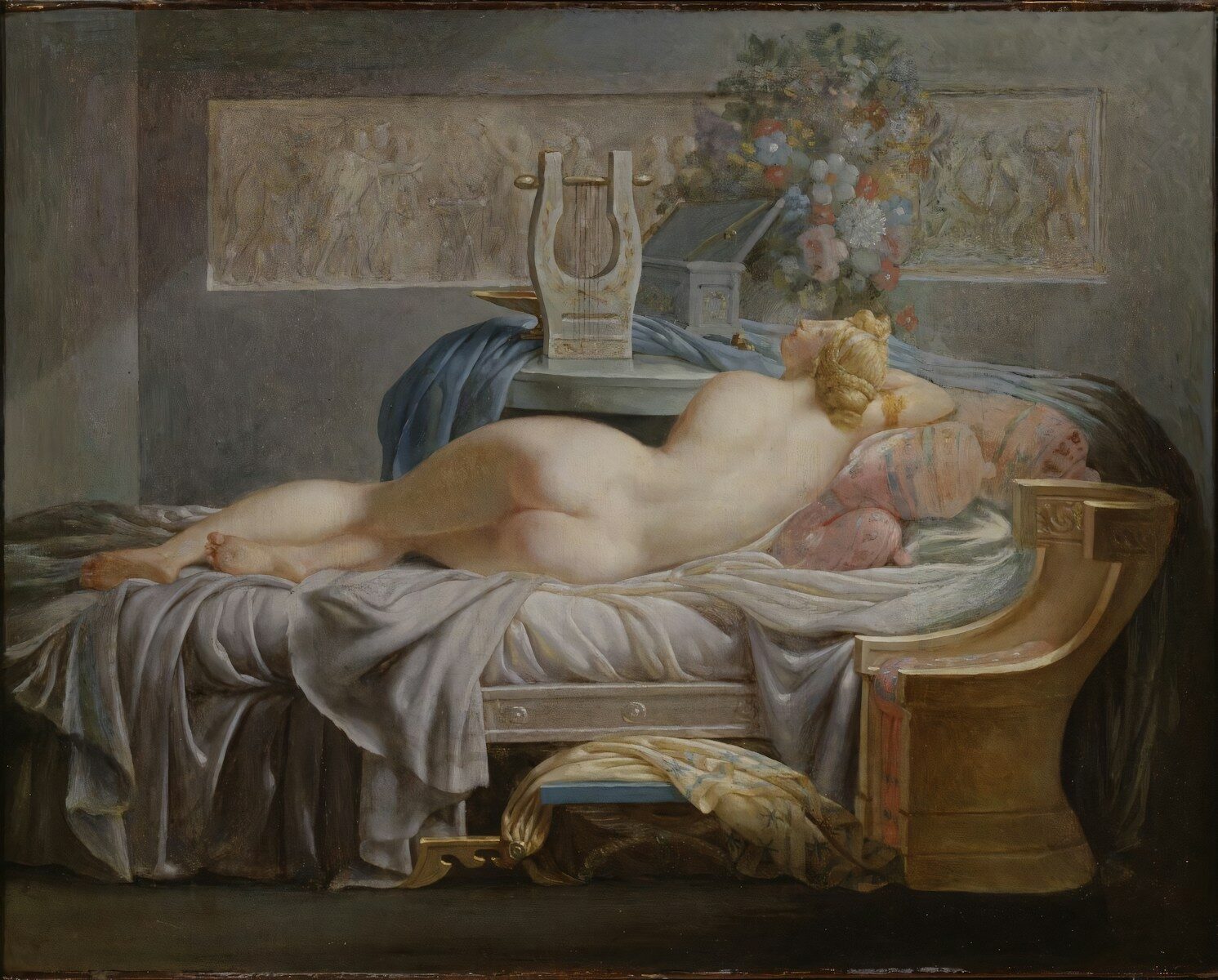
Who are the most famous artists, and why do they matter to art professionals?
The most recognized artists in history share a common distinction: their work redefined how entire generations understood visual culture, and their names now carry measurable weight in the art market. For collectors, galleries, and art asset managers in the United States, understanding these figures is not purely academic. The works of Leonardo da Vinci, Pablo Picasso, Frida Kahlo, Jean-Michel Basquiat, and their peers represent significant financial assets, legal responsibilities, and documentation challenges.
Recognition as a famous artist typically rests on several converging factors:
- Cultural impact: Works that altered the trajectory of an art movement or introduced a new visual language
- Institutional validation: Representation in major museums, auction records, and critical scholarship
- Market performance: Consistent demand at auction and in private sales over decades
- Historical significance: Association with a defined art movement, period, or societal shift
Major art movements tied to the most celebrated names include the Renaissance (Leonardo, Michelangelo, Raphael), Impressionism (Monet, Degas, Renoir), Cubism (Picasso, Braque), Surrealism (Dalí, Kahlo), Abstract Expressionism (Pollock, de Kooning), and contemporary movements anchored by artists such as Basquiat, Koons, and Hirst. Each movement produced works that now command institutional and collector attention in equal measure.
Table of Contents
- Profiles of iconic artists every art professional should know
- Why provenance and documentation define the value of famous artworks
- How to value and manage artworks by renowned painters and sculptors
- Legal considerations when owning artworks by famous artists
- Ethical issues in art collection and management
- Key Takeaways
Profiles of iconic artists every art professional should know
Understanding the individual contributions of legendary visual artists sharpens collection strategy and informs acquisition decisions. The following profiles represent a cross-section of periods, media, and movements.
-
Leonardo da Vinci (1452–1519): The definitive Renaissance polymath. His Mona Lisa and The Last Supper remain the most studied paintings in Western art history. Leonardo’s sfumato technique, a method of blending tones without visible brushstrokes, set a technical standard that influenced painting for centuries.
-
Michelangelo Buonarroti (1475–1564): Among the most influential sculptors in history, Michelangelo’s David and the Sistine Chapel ceiling established the human figure as the central subject of Western art. His work defined the High Renaissance and shaped Baroque aesthetics that followed.
-
Rembrandt van Rijn (1606–1669): The Dutch Golden Age master of light and shadow. Rembrandt’s self-portraits and group compositions such as The Night Watch introduced psychological depth to portraiture that remained unmatched for generations.
-
Francisco Goya (1746–1828): A bridge between the Old Masters and modern art. Goya’s Black Paintings and The Third of May 1808 introduced raw political commentary into fine art, anticipating Expressionism by more than a century.
-
Claude Monet (1840–1926): The central figure of French Impressionism. His Water Lilies series, comprising more than 250 paintings, is one of the most collected bodies of work in the world and a benchmark for Impressionist valuation.
-
Pablo Picasso (1881–1973): Co-founder of Cubism and one of the most prolific artists on record. Picasso’s Guernica stands as a defining political artwork of the 20th century. His output across painting, sculpture, ceramics, and printmaking makes his estate one of the most complex to document and authenticate.
-
Frida Kahlo (1907–1954): A Mexican painter whose deeply personal self-portraits merged Surrealism with indigenous Mexican iconography. Kahlo’s market value has risen sharply over the past two decades, driven by renewed institutional and collector interest.
-
Jackson Pollock (1912–1956): The defining figure of Abstract Expressionism. Pollock’s drip paintings challenged every conventional definition of composition and technique, and his works now rank among the highest-valued American paintings at auction.
-
Jean-Michel Basquiat (1960–1988): A contemporary icon whose Neo-Expressionist canvases command prices exceeding $100 million at auction. Basquiat’s work sits at the intersection of street culture, race, and art history, making authentication and provenance especially critical for his pieces.
-
Yayoi Kusama (b. 1929): One of the most prominent living artists globally. Her Infinity Mirror Rooms and polka-dot motifs have made her a crossover phenomenon between fine art and contemporary culture, with strong institutional and private collector demand.
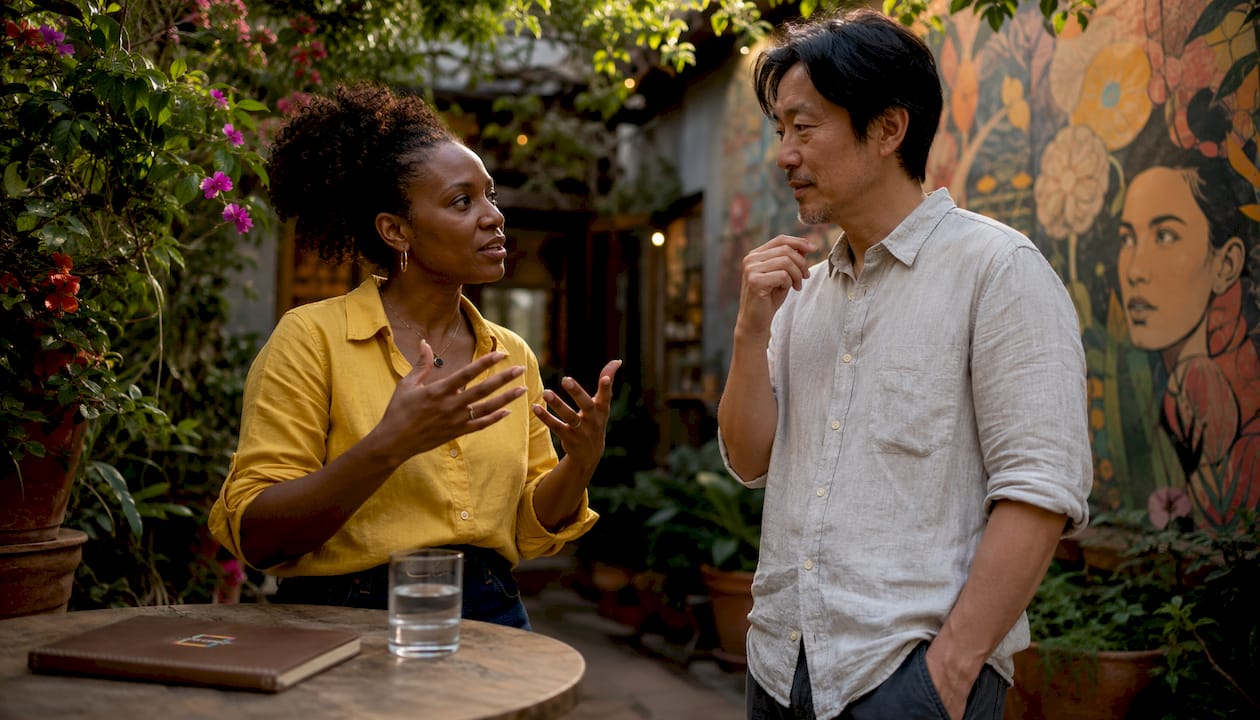
Collectors who engage directly with artists often gain deeper insight into artistic intent, increasing both the value and appreciation of their holdings.
Why provenance and documentation define the value of famous artworks
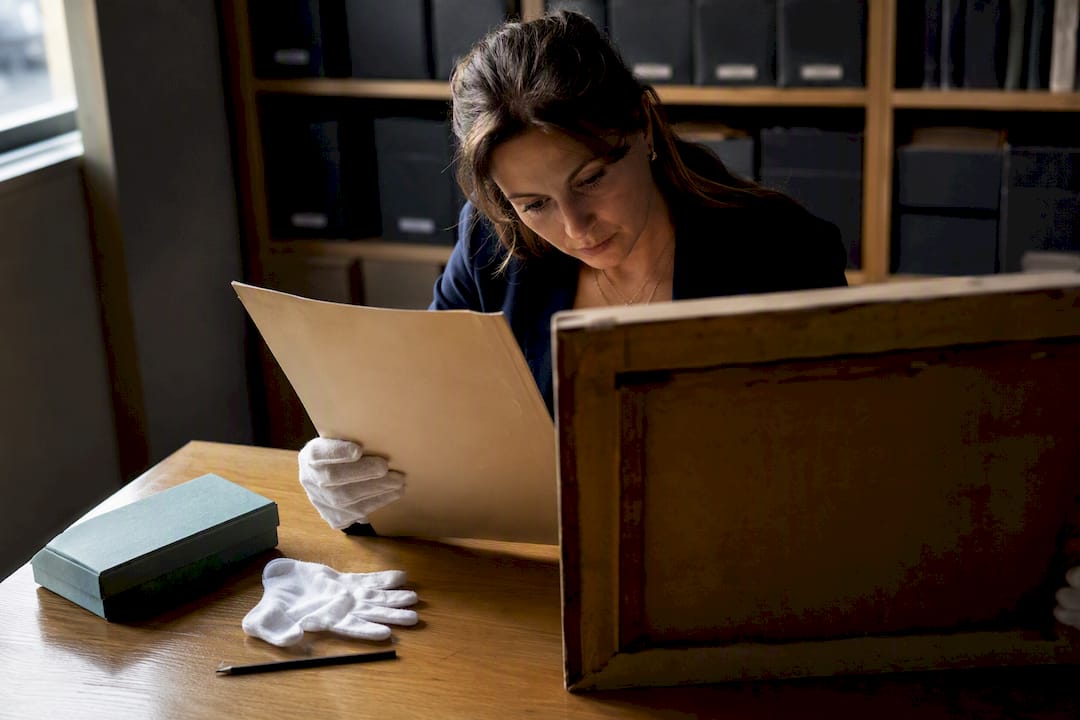
Provenance is often described as an artwork’s birth certificate: the documented chain of ownership from creation to present day. It is distinct from authentication, which confirms that a work is genuinely by the attributed artist. Provenance answers where has this work been, while authentication answers is this work real. Both matter, but provenance is often the deciding factor for acceptance by major museums, auction houses, and insurers.
The practical stakes are high. Leonardo da Vinci’s Salvator Mundi sold for $450 million in 2017, a price made possible in large part by rigorous provenance research that established the work’s legitimacy after centuries of obscurity. Conversely, fabricated provenance enabled the sale of forged Abstract Expressionist paintings at significant prices, demonstrating what happens when verification fails.
Key documentation types for any serious collection include:
- Ownership history: A written record of every transfer of title, ideally with supporting contracts or receipts
- Certificates of Authenticity: Signed documentation from the artist, estate, or recognized authority
- Exhibition records: Catalog entries, loan agreements, and institutional correspondence
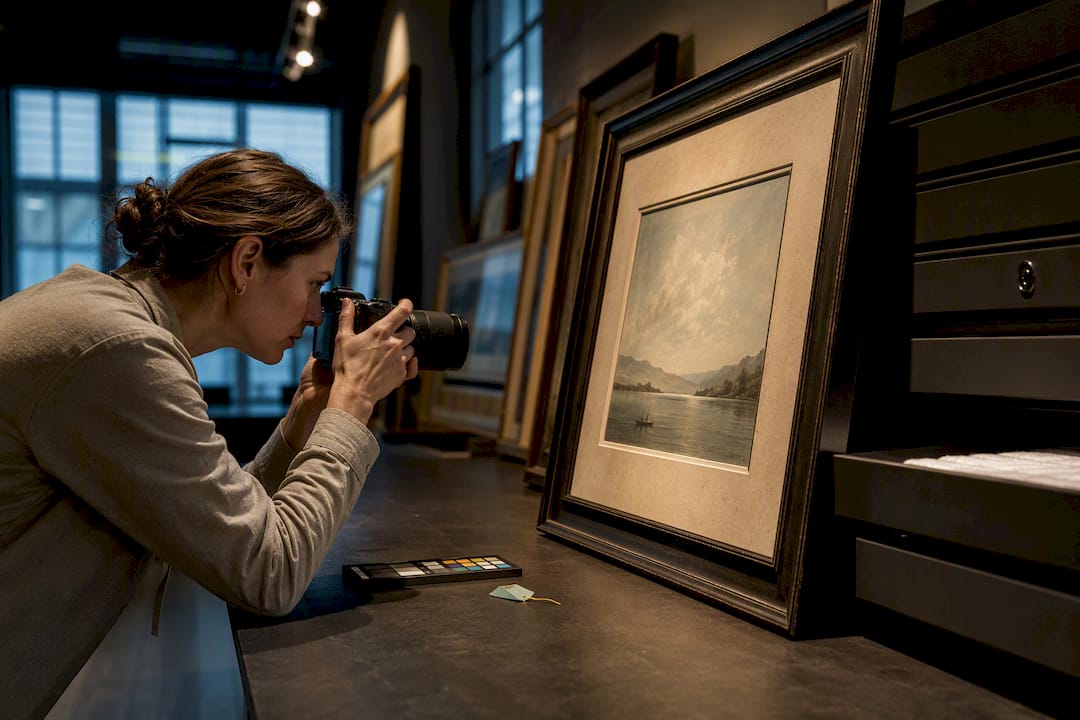
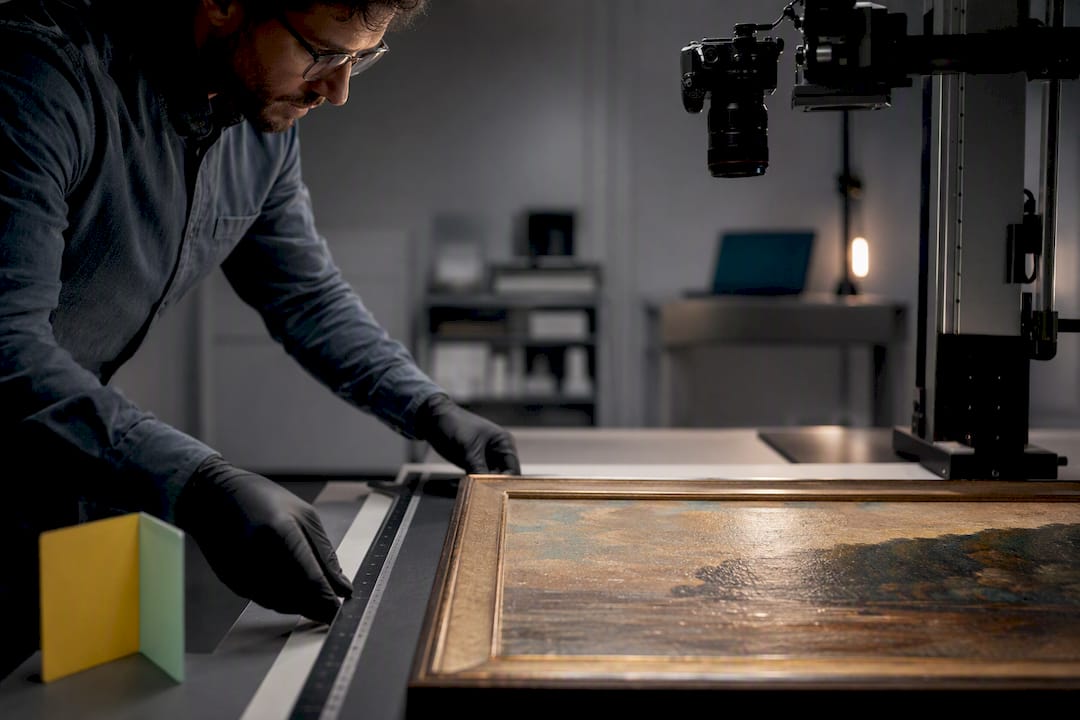
- Conservation reports: Condition assessments that track physical changes over time
- Import and export records: Particularly relevant for works that have crossed international borders
Provenance research also serves a legal function: it helps detect stolen artwork, forgeries, and illegal transfers before a transaction is completed. For galleries and collectors operating in the United States, this due diligence is not optional. The Art Loss Register and FBI Art Crime Team both maintain active databases of stolen works, and purchasing a piece with unverified provenance carries real legal exposure.
How to value and manage artworks by renowned painters and sculptors
Market value for works by famous artists is shaped by provenance, authentication, physical condition, and current market trends. No single factor operates in isolation. A Pollock with impeccable provenance but significant conservation issues will price differently than a comparable work in pristine condition with a thinner ownership record.
Valuation methodologies used for high-value works include:
- Comparable sales analysis: Benchmarking against recent auction results for works of similar period, medium, and scale
- Replacement value appraisal: Used for insurance purposes, reflecting the cost to acquire an equivalent work
- Fair market value assessment: The standard for estate, donation, and tax purposes in the United States, defined as the price a willing buyer and seller would agree upon
Technology has changed how collections are managed. Accurate records form the foundation for enduringly valuable art collections, and digital platforms now make it practical to maintain those records at scale. Artworksoft provides professional documentation tools including certificates of authenticity and inventory tracking, giving collectors and galleries a structured system for managing high-value holdings. For digital or media-based works, maintaining parallel layers of instructions and actual manifestations ensures the artist’s intent is preserved across technological changes.
Pro Tip: When building or auditing a collection of works by notable artists, establish a standardized record for each piece that includes acquisition documents, condition reports, exhibition history, and any correspondence with the artist or estate. A structured art inventory system makes this process consistent and audit-ready.
Legal considerations when owning artworks by famous artists
Ownership of works by celebrated artists carries specific legal obligations that go beyond a standard purchase agreement. In the United States, the following areas require active attention:
Title and clear ownership must be established before any acquisition. The Uniform Commercial Code governs the transfer of personal property, including art, and a seller cannot convey better title than they hold. Purchasing from a gallery or auction house with a written warranty of title provides a baseline of protection.
Tax obligations are significant for high-value collections. The IRS treats art as a collectible asset, subject to a maximum capital gains rate of 28% on long-term gains for individual collectors. Charitable donations of appreciated artwork to qualifying institutions may generate a deduction at fair market value, but the IRS requires a qualified appraisal for any donation valued above $5,000.
NAGPRA and cultural property law apply when collections include works of Native American origin or items subject to international repatriation claims. The 1970 UNESCO Convention on the Means of Prohibiting and Preventing the Illicit Import, Export and Transfer of Ownership of Cultural Property remains the primary international standard, and U.S. courts have increasingly applied it in disputes.
Resale royalty rights do not currently exist at the federal level in the United States, though California’s Resale Royalty Act has been the subject of ongoing litigation. Collectors transacting in California should verify current legal status before completing a sale.
Ethical issues in art collection and management
Legal compliance and ethical practice are not always the same thing. Several issues arise regularly in professional art management that fall outside strict legal requirements but carry real reputational and institutional consequences.
Repatriation of looted art remains one of the most pressing issues facing U.S. museums and private collectors. Works acquired during World War II or from colonial-era transfers are subject to growing scrutiny. The Association for Research into Crimes against Art (ARCA) and the Commission for Looted Art in Europe both maintain active research programs that collectors and galleries should monitor.
Transparency in attribution matters when works are sold under a famous name but carry attribution uncertainty. Describing a work as “attributed to” or “circle of” rather than definitively by a named artist is both an ethical and a legal obligation. Misattribution, even unintentional, can constitute fraud.
Environmental responsibility in art handling and shipping has become a professional standard. Major institutions including the Museum of Modern Art and the Smithsonian have adopted sustainability guidelines for crating, climate control, and transport that responsible galleries and collectors are expected to follow.
Supporting living artists equitably means recognizing that the secondary market often generates significant value from works for which the original artist received little compensation. While U.S. law does not mandate resale royalties, many collectors and galleries choose to maintain ongoing relationships with artists whose work they hold, treating acquisition as a long-term partnership rather than a one-time transaction.
Key Takeaways
Famous artists whose works are professionally documented and properly managed retain and grow their value more reliably than those held without structured provenance, authentication, and legal compliance.
| Point | Details |
|---|---|
| Recognition criteria matter | Famous artists gain market standing through cultural impact, institutional validation, and consistent auction performance. |
| Provenance drives value | The Salvator Mundi sold for $450 million in 2017, a price made possible in large part by rigorous provenance research that established the work’s legitimacy after centuries of obscurity. |
| Documentation is foundational | Ownership history, certificates of authenticity, and condition reports are the minimum standard for any professionally managed collection. |
| Legal and ethical obligations coexist | U.S. collectors face a 28% capital gains rate on art and must navigate cultural property law, title warranties, and attribution ethics. |
| Technology supports management | Structured platforms like Artworksoft centralize artwork documentation and inventory tracking, reducing risk across the collection lifecycle. |