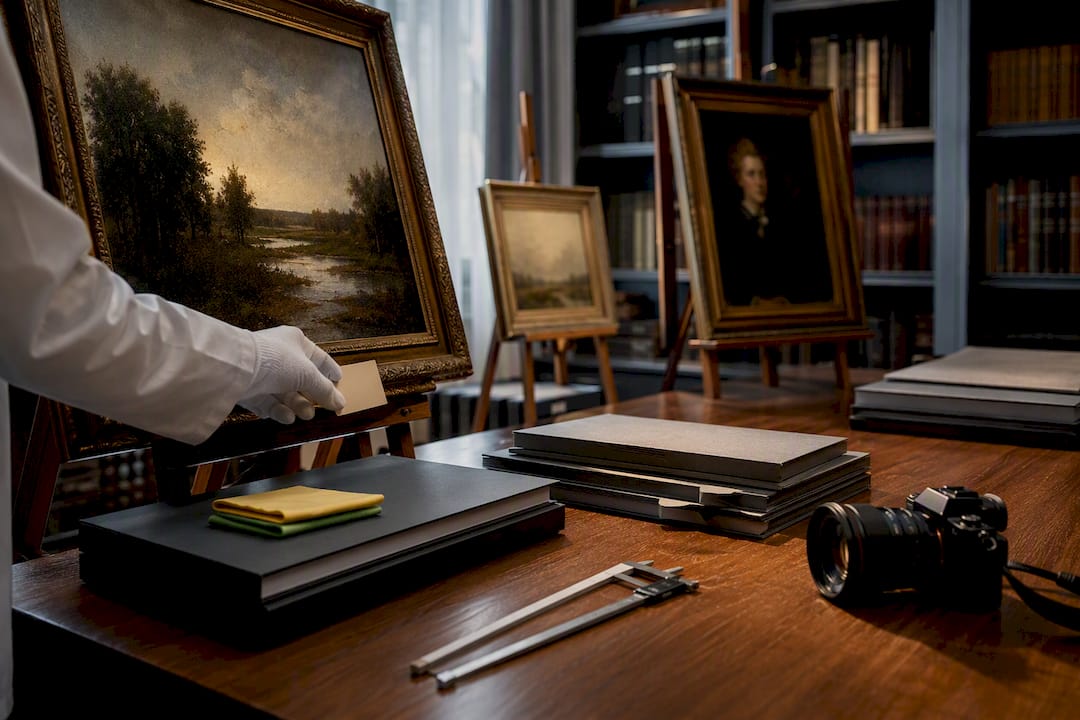


Artwork appreciation is defined as the active skill of understanding, interpreting, and connecting emotionally with art, going well beyond a simple “I like this” reaction. The formal term used in education and criticism is art appreciation, and it describes a conscious, layered process that combines observation, context, and feeling. What does artwork appreciation mean in practice? It means you engage with a piece on multiple levels: visual, historical, and personal. This guide breaks down the core components of that process, explains why it matters for cultural literacy and critical thinking, and gives you practical methods to deepen your engagement with any artwork you encounter.
What does artwork appreciation mean at its core?
Art appreciation is a multifaceted skill set that goes beyond immediate preference judgments. Liking art is often an instant, superficial reaction. True appreciation involves conscious attention that integrates form, feeling, and understanding together.
The distinction matters. When you merely like a painting, you respond to surface qualities: color, subject, or mood. When you appreciate it, you ask why those choices were made, what they communicate, and how they connect to your own experience. Art critic Waldemar Januszczak states that true appreciation requires effort to understand art beyond personal taste, recognizing the artist’s technical skill and historical weight. That effort is what separates passive viewing from genuine engagement.
Understanding the art appreciation meaning also means recognizing that it is a learnable skill. You are not born with it. You build it through practice, patience, and exposure.
What are the core components of artwork appreciation?
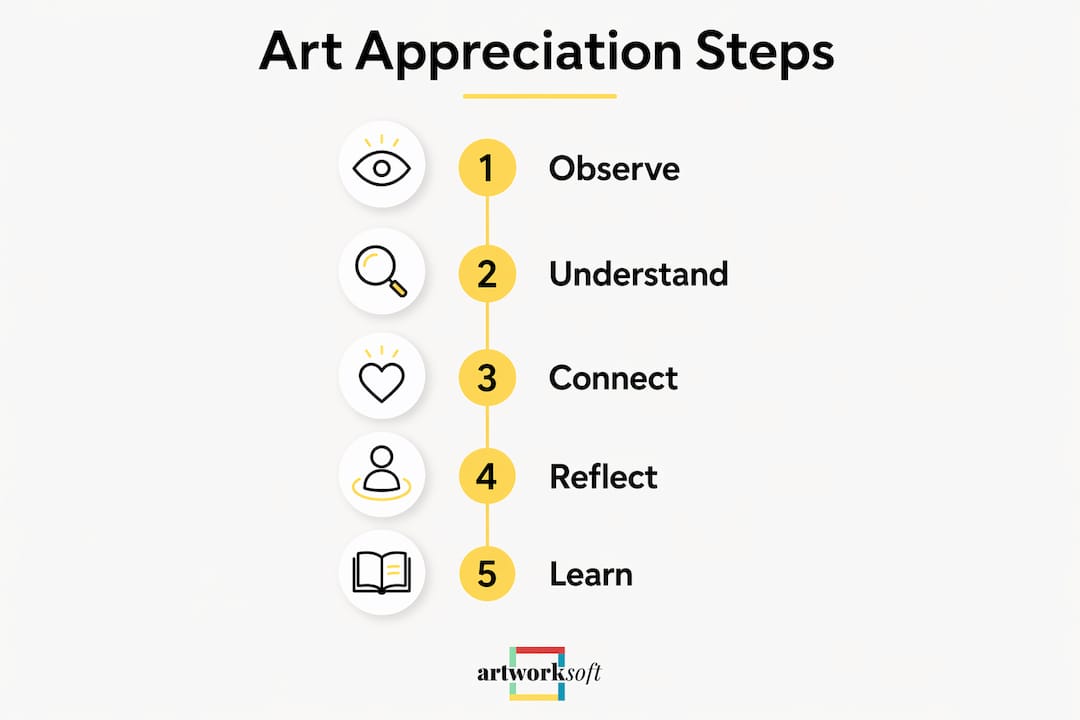
Three elements define genuine art appreciation: active observation, contextual understanding, and emotional connection. Each one builds on the others.
-
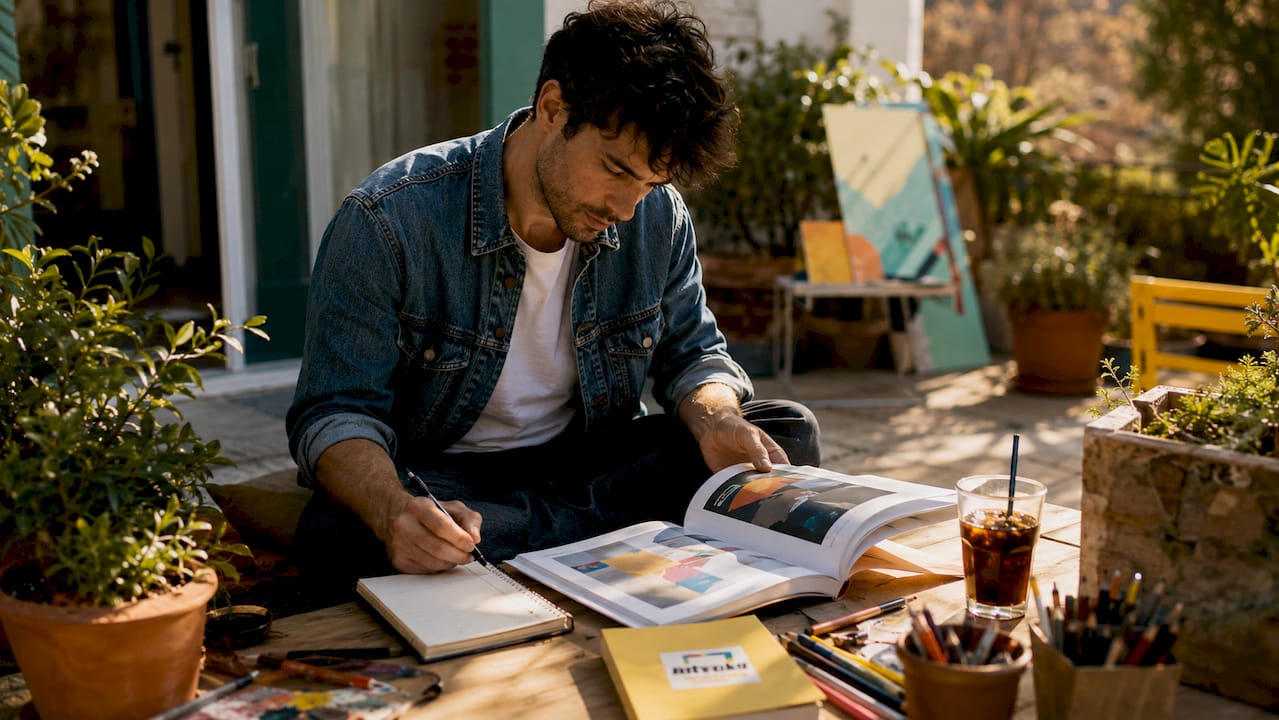
Active observation means focusing your full attention on the work. You notice line quality, color relationships, texture, scale, and composition. Slow-looking techniques, where you spend extended time with a single piece, are the most direct way to practice this. Viewers notice intricate features after approximately 4 minutes of focused looking, which is why 10 minutes is the recommended time for deep engagement.
-
Contextual understanding means knowing something about the artist’s background, the historical period, and the cultural environment in which the work was created. Art does not exist in a vacuum; understanding the artist’s life, era, and medium transforms a static object into meaningful communication.
-
Emotional connection means allowing your personal experiences and feelings to enter the conversation. Your response to a work is not irrelevant. It is part of what makes appreciation personal and lasting.
Pro Tip: Start every gallery visit by picking one piece and spending a full 10 minutes with it before moving on. The details you notice after minute six will surprise you.
These three components do not operate in sequence. They work simultaneously, each one reinforcing the depth of the others.
How does art appreciation enhance visual literacy and critical thinking?
Engaging with art builds visual literacy, which is the ability to read and interpret visual information with the same fluency you apply to written text. Visual elements like line, color, composition, and medium each carry meaning. Learning to decode them sharpens your ability to analyze any visual communication, from architecture to advertising.
Critical thinking grows alongside visual literacy. When you interpret a painting’s symbolism or question an artist’s intent, you practice the same analytical skills used in law, medicine, and science. The process of asking “What does this mean, and how do I know?” is transferable.
Research supports this connection directly:
- Slow-looking increases perceived beauty, compassion, and deeper understanding without increasing frustration, according to psychological studies on aesthetic experience.
- Dialogue-based art appreciation practiced weekly over 10 weeks increases higher-level interpretative responses among learners.
- Skilled questioning and peer interaction during art viewing significantly support engagement and interpretative growth.
“Art appreciation combines active observation, historical and cultural contextualization, and emotional connection to enhance literacy, critical thinking, and empathy. It is a multifaceted skill set, not a passive preference.”
The benefits of appreciating art extend well beyond the gallery. Collectors who develop strong visual literacy make more confident acquisition decisions. Artists who understand appreciation frameworks communicate their work more effectively to buyers and curators.
What practical methods deepen your artwork appreciation?
The importance of art appreciation becomes clearest when you have concrete methods to practice it. These five techniques work for museum visitors, collectors, and anyone building a more intentional relationship with art.
-
Practice slow-looking. Spend at least 10 minutes with a single piece. Focused observation for at least 10 minutes significantly deepens the aesthetic experience by revealing details you would otherwise miss entirely.
-
Change your physical distance. Moving closer and stepping back reveals different aspects of the artwork’s message and technique. Brushstrokes visible up close disappear at a distance, while overall composition only reads from far away.
-
Delay reading the label. Spending 1–2 minutes observing before reading the title or artist name allows an authentic personal reaction to form before contextual knowledge shapes your interpretation.
-
Ask reflective questions. What is the dominant color, and why? What mood does the composition create? What might the artist have wanted you to feel? Dialogue-based questioning, whether with yourself or others, drives interpretative growth.
-
Focus on fewer pieces. Concentrating on one or two pieces per visit combats museum fatigue and enables deeper engagement rather than surface-level scanning.
Pro Tip: Write three sentences about a piece before you read its label. Compare your notes to the official description afterward. The gap between the two is where your appreciation grows.
How to appreciate artwork is less about following rules and more about building habits. These methods become instinctive with practice.
Why is cultural and historical context vital to appreciating art?
Context transforms what you see. A painting of a woman in a red dress reads differently when you know it was created during a period of political censorship, or that red carried specific symbolic weight in that culture. Contextual knowledge of social, political, and cultural background is what turns a static art object into a meaningful, communicative experience.
The key contextual factors that deepen appreciation include:
- Artist biography: Personal history, training, and influences shape every creative decision.
- Historical period: The political and social climate at the time of creation often drives subject matter and style.
- Medium and technique: Knowing that a work was made with encaustic wax, or that it required years of preparation, changes how you value the result.
- Cultural milieu: Symbols, colors, and figures carry different meanings across cultures and centuries.
Understanding why artwork context increases perceived value is not just an academic exercise. For collectors, context directly affects market valuation and long-term significance. For viewers, it opens layers of meaning that pure visual observation cannot access alone.
| Context factor | What it reveals |
|---|---|
| Artist biography | Personal motivations and recurring themes |
| Historical period | Social pressures and cultural priorities |
| Medium and technique | Skill level, labor, and material significance |
| Cultural background | Symbolic meaning of colors, figures, and forms |
Art history resources, museum catalogs, and artist monographs are the most reliable tools for building this contextual knowledge. The investment pays off in richer, more confident engagement with every work you encounter.
How does personal connection influence artwork appreciation?
Personal connection is not a lesser form of appreciation. It is a central one. Your individual experiences, memories, and emotional state shape how you receive a work, and that response is valid data in the appreciation process.
Art functions as a communication channel between artist and viewer. The artist encodes meaning through visual choices; you decode it through your own lens. Two people standing in front of the same canvas will have genuinely different experiences, and both can be correct. Variation in interpretation is not a flaw in the system. It is the system working as intended.
Ways to build personal resonance with art include:
- Connecting a work’s subject or mood to a specific memory or feeling you recognize.
- Noticing which physical elements attract or repel your attention, and asking why.
- Returning to the same work across different periods of your life to track how your response changes.
- Sharing artwork with others and comparing reactions to surface interpretations you had not considered.
The importance of art appreciation grows when you treat your emotional response as a starting point for inquiry rather than a final verdict. Asking “Why does this make me feel uncomfortable?” leads to far more insight than simply moving on to the next piece.
Key Takeaways
Art appreciation is an active, learnable skill built on observation, context, and personal connection, not on taste or prior knowledge.
| Point | Details |
|---|---|
| Appreciation vs. liking | Liking is instant and surface-level; appreciation integrates form, context, and emotional meaning. |
| Slow-looking practice | Spending 10 minutes with one piece reveals details and depth that a quick glance never will. |
| Context enriches meaning | Knowing an artist’s biography, period, and medium transforms how you interpret every visual choice. |
| Personal response is valid | Your emotional reaction is a legitimate part of appreciation, not a distraction from it. |
| Fewer pieces, deeper engagement | Focusing on one or two works per visit produces more meaningful interaction than scanning many. |
Why I think most people never get past “I like it”
Most people leave galleries having confirmed what they already believed about their own taste. They liked what they expected to like and moved past everything else in under 30 seconds. I spent years doing exactly that, and I thought I was appreciating art because I was showing up.
The shift happened when I forced myself to stay with a single work for 10 minutes. Not because I liked it. Because I did not understand it. That discomfort turned out to be the most productive place I had ever stood in a gallery. The painting did not become beautiful. It became legible. I started seeing decisions rather than outcomes, and that changed everything about how I engage with art.
The uncomfortable truth about understanding art appreciation is that it requires you to sit with uncertainty. Most people want art to deliver an immediate emotional payoff. When it does not, they assume the problem is the art. The problem is almost never the art. Patience is the skill that unlocks everything else, and no one teaches it directly.
If you are building a collection or managing artworks professionally, that patience also has financial implications. Collectors who understand context and technique make better acquisition decisions. Artworksoft’s artwork profile management tools give you a structured place to record the contextual research that deepens both your appreciation and your collection’s documented value.
— Nealda
Artworksoft and the practice of deeper art engagement
Artworksoft is built for collectors, artists, and galleries who treat art as more than decoration.
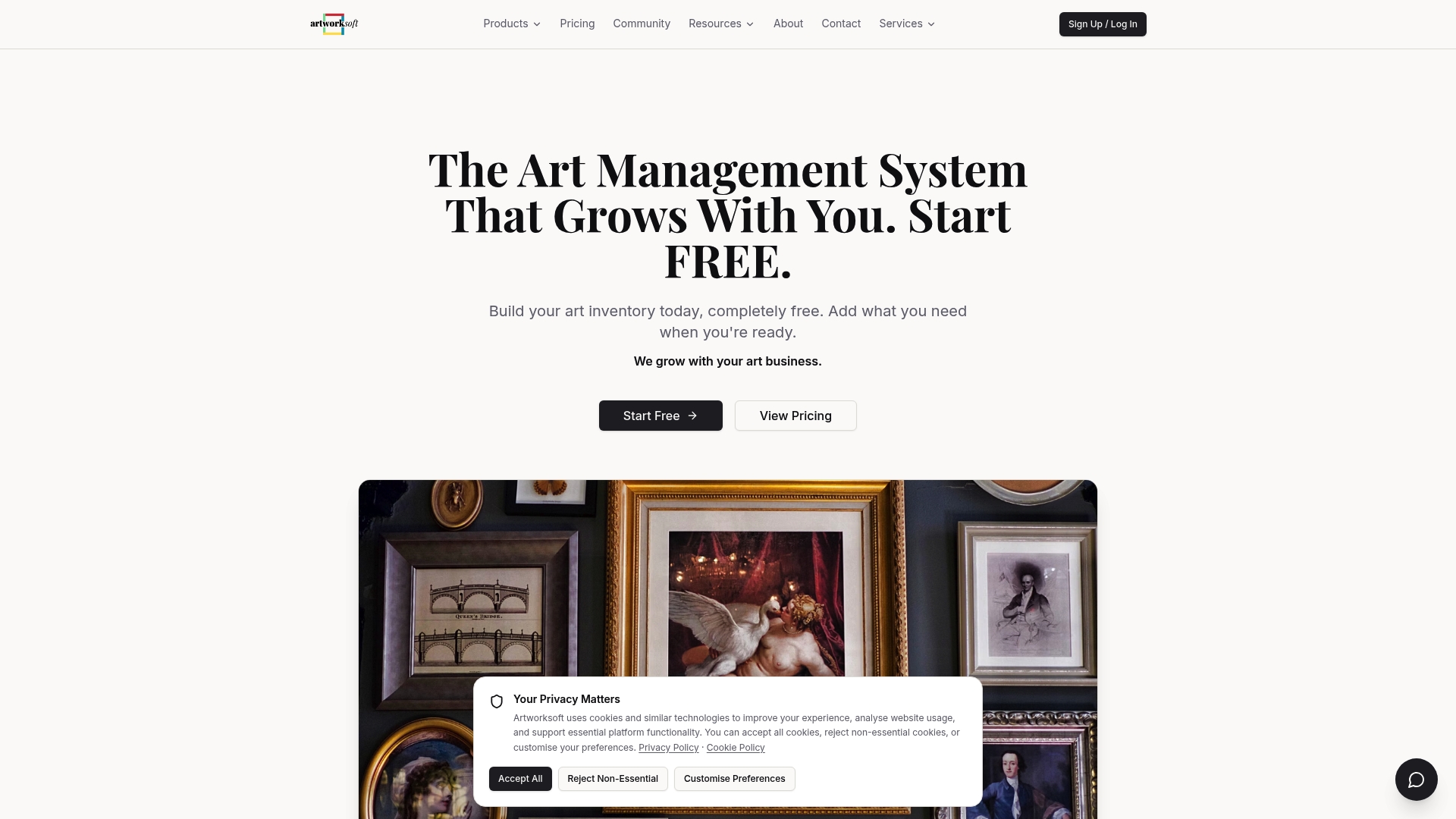
The platform’s art documentation tools let you record artist biography, historical context, medium details, and provenance in one place, exactly the contextual layers that transform a visual object into a fully understood work. When you document a piece thoroughly, you are not just protecting an asset. You are building the record that makes appreciation permanent and transferable. Artworksoft also supports professional presentation through its art gallery services, helping collections communicate meaning to viewers as effectively as possible. Start building your documented collection with the free art inventory system at Artworksoft.
FAQ
What is the art appreciation meaning in simple terms?
Art appreciation is the active process of observing, understanding, and emotionally connecting with a work of art. It goes beyond liking or disliking a piece to include analysis of technique, context, and personal meaning.
How long should you look at a piece of art?
Art appreciation experts recommend at least 10 minutes of focused observation per piece. Research shows that viewers begin noticing intricate details after approximately 4 minutes of sustained looking.
Why is cultural context important in art appreciation?
Cultural and historical context reveals the social, political, and personal forces that shaped an artwork’s creation. Without that background, viewers can only respond to surface visual qualities and miss the deeper layers of meaning the artist intended.
Can anyone learn how to appreciate artwork?
Art appreciation is a learnable skill, not an innate talent. Consistent practice with slow-looking techniques, reflective questioning, and contextual research builds genuine appreciation over time.
What are the main benefits of appreciating art?
The benefits of appreciating art include stronger visual literacy, improved critical thinking, greater empathy, and a deeper connection to cultural history. These skills transfer directly to professional and personal decision-making.