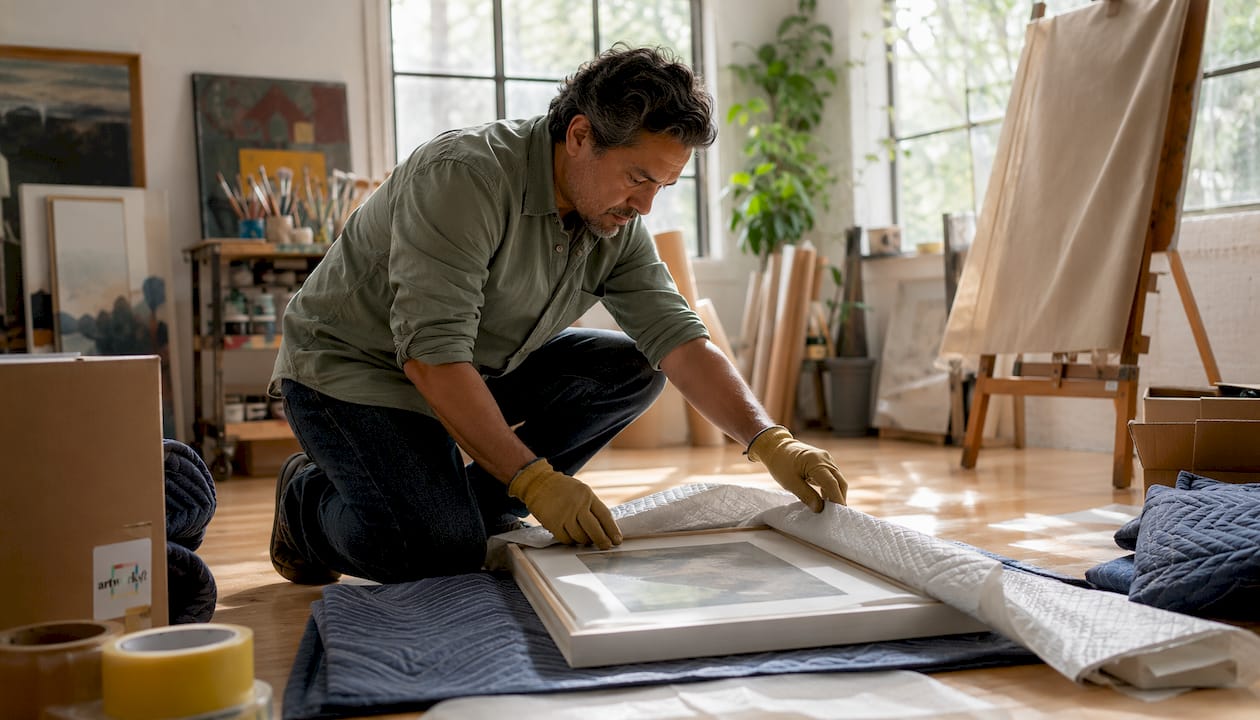

The artwork returns process is defined as the structured sequence of steps a buyer or seller follows to authorize, repackage, ship, and resolve the return of a purchased artwork. Managing this process correctly protects both parties from financial loss, shipping damage, and legal disputes. The industry standard for returns in the art sector requires a Return Merchandise Authorization (RMA) before any shipment leaves the buyer’s hands. Standard return windows range from 7 to 30 days, with refunds typically processing within 5–7 business days after inspection. Artworksoft supports galleries, collectors, and artists in tracking these transactions with full documentation at every stage.
What prerequisites do you need to handle artwork returns process?
Every successful return starts with authorization. Return requests must be authorized in writing before any artwork is shipped back. Sending an unauthorized return risks refusal at the seller’s door and voids most shipping insurance policies. This single step prevents the majority of return disputes before they begin.
Before packing anything, gather the following required materials and documents:
- Return Merchandise Authorization (RMA) number from the seller or platform
- Original packaging materials, including the shipping crate, box, and inner cushioning
- Condition photos of the artwork and all packaging surfaces before repackaging
- Unboxing video recorded at the time of receipt, especially if damage is suspected
- Original purchase receipt or invoice and any Certificate of Authenticity
- Shipping insurance documentation and the seller’s approved courier instructions
The table below summarizes what each document covers and when it applies:
| Document | Purpose | When Required |
|---|---|---|
| RMA number | Authorizes the return shipment | Always, before shipping |
| Condition photos | Documents artwork state at return | Always |
| Unboxing video | Validates damage claims | Damage or dispute cases |
| Original invoice | Confirms purchase and value | Always |
| Import documents | Supports customs clearance | International returns |
| Insurance certificate | Enables damage claim filing | Insured shipments |
Return windows differ by artwork type. Standard original works typically fall within a 7 to 30 day window. Commissioned or custom artworks are final sale and ineligible for return unless the piece arrives damaged or defective. Buyers of custom work are advised to request detailed condition reports and high-resolution images before purchase to reduce the risk of dissatisfaction.
Pro Tip: Record your unboxing video in one continuous take with the shipping label visible. This single piece of evidence resolves most damage disputes without escalation.
How to properly package and ship artwork for returns
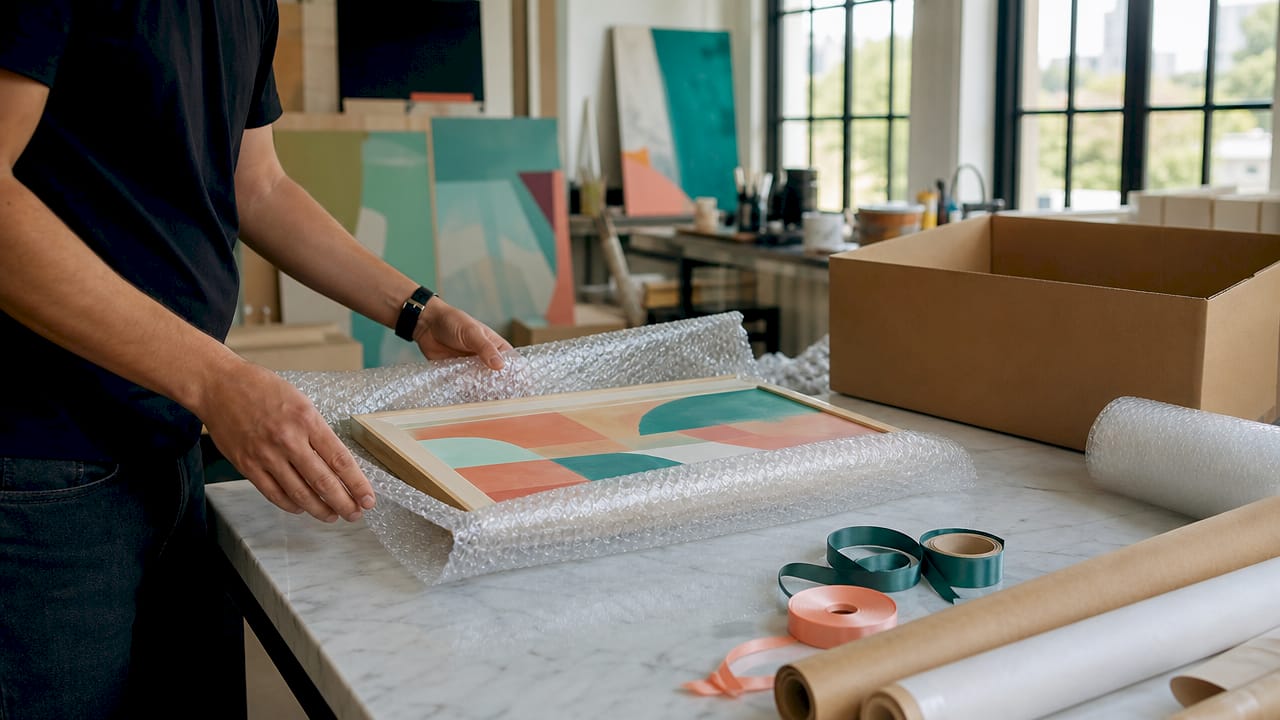
Repackaging is where most returns go wrong. Proper repackaging requires acid-free materials, corner protectors, bubble wrap, and reinforced boxes. Using substandard substitutes often leads to denied insurance claims, leaving both parties with no recourse.
Follow these steps in order:
- Clean the artwork surface gently with a dry, lint-free cloth before wrapping. Never use solvents or water on unprotected surfaces.
- Wrap the artwork in acid-free tissue paper first. Acid-free paper and archival adhesives prevent long-term chemical damage during transit.
- Apply corner protectors to all four corners of framed works. Corners are the most vulnerable point in any shipment.
- Wrap the protected artwork in bubble wrap, securing it with tape that does not contact the artwork surface directly.
- Place the wrapped piece inside the original shipping crate or box if available. Retain the original crate for at least 30 days after receiving any artwork for exactly this reason.
- Fill all empty space inside the box with foam peanuts or crumpled acid-free paper. The artwork must not shift when the box is shaken.
- Seal the box with reinforced packing tape on all seams. Do not over-seal with excessive tape layers, as this makes inspection difficult and can damage the box structure.
- Label the package clearly with “FRAGILE,” “THIS SIDE UP,” and “RETURNED GOODS” on all visible faces.
- Select a traceable carrier such as FedEx, UPS, or a specialist art shipper. Confirm that the shipment carries insurance equal to the artwork’s declared value.
- Send the tracking number to the seller immediately after drop-off. Delayed tracking information is one of the most common causes of return processing delays.
“Packing quality directly influences insurance claim acceptance. Professional materials are not optional when returning artwork of significant value.” — KellerKunst Art Care
Common mistakes include using newspaper as padding (the ink transfers to artwork surfaces), sealing rolls of canvas without rigid outer protection, and failing to mark the package as a return. Each of these errors can result in damage, customs delays, or outright refusal of the return.
Pro Tip: If you no longer have the original box, source a double-walled corrugated box sized so the artwork has at least 3 inches of cushioning on every side.
What are the standard steps and communication protocols during the artwork returns process?
Clear communication is the backbone of how artwork return processing works. A poorly communicated return creates delays, inventory errors, and disputes that damage business relationships. The steps below reflect standard practice across the art sector.
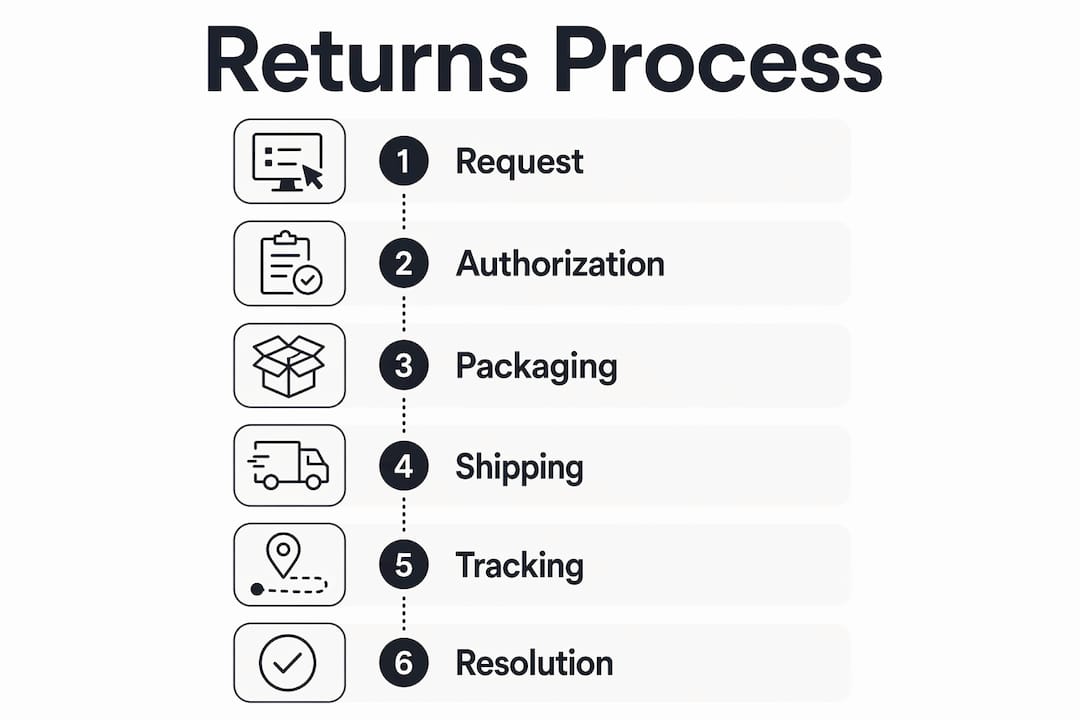
Initiating the return request requires the buyer to contact the seller or platform with the order number, reason for return, and photographic evidence of the artwork’s current condition. This initial message sets the tone for the entire process. Keep it factual and attach all relevant images in the first message.
Receiving the RMA confirms the seller has approved the return. The RMA number must appear on the outside of the shipping package and in all follow-up correspondence. Some platforms also provide a pre-printed return label with an approved courier route. Follow these instructions exactly. Deviating from the approved route can void the return authorization.
Providing tracking details to the seller after shipping closes the communication loop. Send the carrier name, tracking number, and estimated delivery date in writing. This protects the buyer if the package is delayed or lost in transit.
Inspection and processing typically take 5–7 business days after the seller receives the artwork. During this window, the seller assesses the artwork’s condition against the original sale record. Artworksoft’s artwork condition tracking tools support this inspection step by maintaining a timestamped condition history for each piece.
Best practices for transparent communication throughout the return:
- Use written channels (email or platform messaging) for every step. Verbal agreements are unenforceable.
- Reference the RMA number in every message.
- Confirm receipt of the returned artwork in writing within 24 hours of delivery.
- State the resolution timeline clearly: refund, replacement, or store credit.
- Keep copies of all correspondence and shipping receipts for at least 12 months.
Replacement is preferred for damage cases. Refunds apply for change-of-mind returns. Store credit at 110% of the purchase value is a recognized option for resellers, as it retains the customer and simplifies the exchange without a cash outflow.
How to handle damaged artwork, commissioned pieces, and international returns
Not every return follows the standard path. Three scenarios require specific handling: damage claims, commissioned artworks, and international shipments.
Damage claims
Damage must be reported within 24–48 hours of delivery. This window is strict. Reporting outside it typically disqualifies the buyer from seller-covered return shipping and may void the insurance claim entirely. The report must include photos of the outer packaging, inner packaging, and the damaged artwork itself, along with the unboxing video if available. Failure to document package condition at the time of receipt may forfeit all damage dispute rights.
When damage is confirmed as a shipping or seller error, the seller covers return shipping costs. When the return is a change of mind, the buyer pays. This distinction is consistent across major art platforms and should be stated clearly in any art return policy.
Commissioned and custom artworks
Custom pieces are final sale by default. The buyer’s only recourse is proof that the artwork arrived damaged or materially different from the agreed specifications. Sellers of commissioned work should document the agreed specifications in writing before production begins. This record becomes the reference point for any dispute.
International returns
International returns require the package to be labeled as “Returned Good” and must include the original import documents. A simple “return” label is not sufficient for customs clearance. Without the correct documentation, the shipment may be held, taxed again, or returned to the buyer at their expense. Proper customs documentation reduces the risk of double duties and shipment delays significantly.
The table below compares the two most common return scenarios:
| Factor | Damage or seller error | Change of mind |
|---|---|---|
| Return shipping cost | Seller’s responsibility | Buyer’s responsibility |
| Reporting window | 24–48 hours from delivery | Within return policy window |
| Refund type | Full refund or replacement | Refund or store credit |
| Restocking fee | None | Up to 20% on some platforms |
| Documentation required | Photos, video, packaging | Condition photos, RMA |
Key Takeaways
A structured artwork returns process, built on written authorization, proper packaging, and clear communication, is the most reliable way to protect both buyer and seller from financial and reputational loss.
| Point | Details |
|---|---|
| Authorization first | Always obtain a written RMA before shipping any returned artwork. |
| Original packaging matters | Retaining the original crate for 30 days protects both insurance claims and artwork integrity. |
| Document everything | Condition photos and unboxing videos are the primary evidence in any damage dispute. |
| Know the return type | Damage returns and change-of-mind returns carry different cost responsibilities and timelines. |
| International returns need customs labels | Label packages as “Returned Good” and include original import documents to avoid double duties. |
What I’ve learned from watching returns go wrong
Returns in the art sector fail for one consistent reason: the process is treated as informal until something goes wrong. By then, the documentation is missing, the packaging is gone, and neither party has a written record of what was agreed.
The single most effective change any gallery or collector can make is to centralize return case management. A centralized system, whether a dedicated platform or a structured folder of records, reduces inventory loss and cuts dispute turnaround time significantly. Clear, plain-language return policies with concrete examples lower the likelihood of conflict before a return is even requested.
I’ve seen sellers lose insurance claims not because the artwork was undamaged, but because the buyer used newspaper as padding and the carrier denied the claim on packaging grounds. The artwork was fine. The claim was not. That outcome was entirely preventable.
Offering store credit at a bonus value, such as 110% of the purchase price, is a tactic that more art businesses should use. It retains the customer, avoids cash outflow, and signals confidence in the inventory. Most buyers accept it willingly when the offer is made promptly and clearly.
The other mistake I see repeatedly is delayed communication. A seller who confirms receipt of a return within 24 hours and states a clear resolution timeline almost never faces a dispute. A seller who goes silent for a week almost always does. The process is not complicated. The discipline to follow it consistently is what separates professional operations from costly ones.
— Nealda
Artworksoft and the artwork returns workflow
Managing artwork returns at scale requires more than a good policy. It requires a system that connects condition records, transaction history, and shipping documentation in one place.
Artworksoft gives galleries, collectors, and artists the tools to track artwork movements and returns from authorization through resolution. Each artwork profile stores condition photos, sale records, and documentation history, so every return has a complete paper trail. The platform’s sales and transaction management module records return authorizations, refund status, and replacement tracking without manual spreadsheets. Artworksoft also supports Certificate of Authenticity generation and inventory auditing, both of which matter when a returned piece re-enters stock. Start with a free account at Artworksoft and see how structured art management reduces return disputes from the first transaction.
FAQ
What is the standard return window for artwork?
Standard artwork return windows range from 7 to 30 days depending on the platform or seller policy. Refunds typically process within 5–7 business days after the returned artwork passes inspection.
Do I need an RMA to return artwork?
Yes. Written authorization is required before shipping any return. Unauthorized returns risk refusal at delivery and are typically excluded from shipping insurance coverage.
Can commissioned artwork be returned?
Commissioned and custom artworks are final sale by default and cannot be returned unless they arrive damaged or materially different from the agreed specifications.
How do I report damaged artwork after delivery?
Report damage within 24–48 hours of delivery with photos of the packaging and artwork. Unboxing video evidence significantly strengthens a damage claim and should be recorded at the time of receipt.
What documentation do international artwork returns require?
International returns must be labeled as “Returned Good” and include the original import documents to avoid double customs duties and shipment delays at the border.