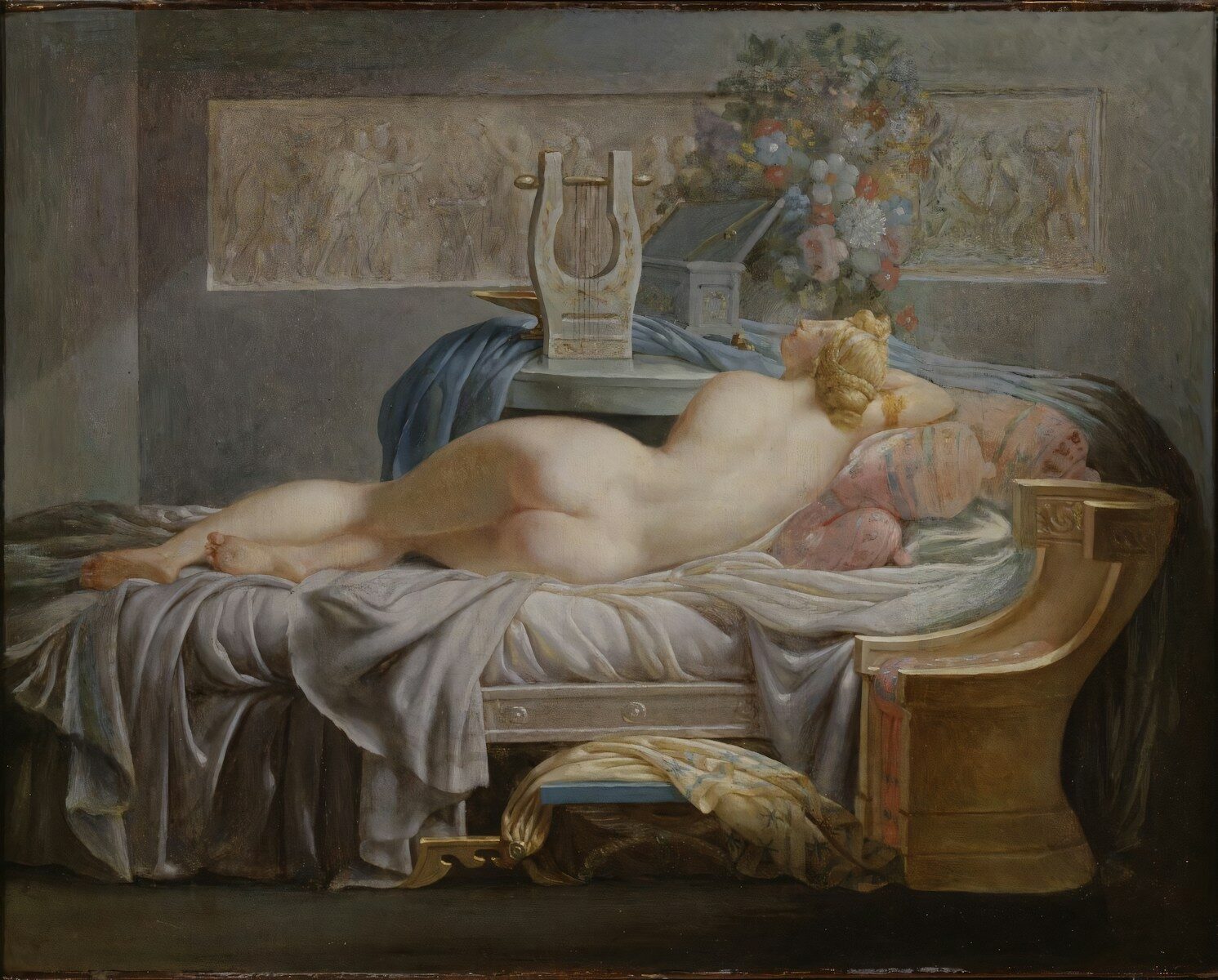


An effective artwork listing is defined as a product page that combines an optimized title, a compelling description, high-quality images, and complete metadata to maximize both search visibility and buyer conversion. The best examples of effective artwork listings share a clear structure: descriptions run 100–250 words with the first 160 characters written specifically for search previews. Listings that fill every available attribute field, from style and material to room context and color, consistently outperform those that leave fields blank. This guide breaks down each component with real examples and analysis so you can apply the same principles to your own listings.
1. What are the key components of effective artwork listings?
Every high-performing artwork listing shares the same structural foundation. Miss one element and the whole listing underperforms, regardless of how strong the artwork itself is.
Title structure matters most. A strong listing title front-loads the primary keyword, then adds style, room context, and size. An example that works: “Abstract Blue Wall Art Print, Modern Digital Download for Living Room, 11×14 Printable Decor.” That title answers three buyer questions in one line: what it is, where it fits, and what size they get.

Descriptions follow a proven pattern. The most effective descriptions open with the subject or mood, move into the process or materials, and close with practical details like size, file format, or framing options. This structure serves both buyers and search engines simultaneously.
The core components of a high-converting listing include:
- Title: Primary keyword first, then style, room, and size modifiers
- Description: 100–250 words, with the first sentence written for the search preview
- Images: Multiple photos showing texture, scale, and context
- Video: A short clip (5–15 seconds) showing the piece in a room setting
- Attributes: Style, material, color, and room fields all completed
- Tags: All available tag slots filled with long-tail keyword phrases
Pro Tip: Write your first description sentence as if it will appear alone in a Google search result. If it does not make a buyer want to click, rewrite it.
2. Examples of effective artwork listing descriptions with analysis
The three most effective description approaches are subject-centered, process-centered, and mood-centered. Each targets a different type of buyer, and understanding which approach fits your work is the first step toward successful artwork descriptions.
Subject-centered example:
“This original oil painting depicts a quiet coastal inlet at dawn, with soft pinks and grays reflecting off still water. Painted on stretched linen canvas, it measures 18×24 inches and arrives ready to hang. A Certificate of Authenticity is included.”
This description works because it answers the buyer’s first three questions: what does it show, what is it made of, and what do I receive. The opening line is specific enough to appear in a search result for “coastal dawn oil painting.”
Process-centered example:
“Built up in layers of cold wax and oil over six weeks, this abstract piece carries visible texture you can feel from across the room. The palette draws from late autumn light in the Pacific Northwest. Printed reproductions are available in three sizes.”
Process-centered descriptions attract buyers who value craft and authenticity. They also naturally include material keywords without forcing them.
Mood-centered example:
“Calm, deliberate, and slightly melancholy. This graphite drawing captures the feeling of an empty Sunday morning better than any photograph could. Framed in natural oak, it ships within three business days.”
Key principles across all three approaches:
- Open with the most specific, searchable claim about the work
- Keep sentences short and concrete, not poetic and vague
- Include at least one practical detail (size, format, shipping) in every description
- Avoid keyword stuffing by matching your keywords to what the image actually shows
The balance between emotional appeal and factual clarity is what separates a listing that gets saved from one that gets purchased.
3. How multimedia assets enhance artwork listings
Visual content is the single strongest conversion driver in an artwork listing. Buyers cannot touch or hold the work, so every image and video must do the work of a physical gallery visit.
Up to 20 lifestyle mockup images are recommended to show scale, setting, and usability. That number may seem high, but each mockup answers a different buyer question: How does it look in a bedroom? A home office? A narrow hallway? Each image removes one more reason not to buy.
Short videos perform equally well. A 5–15 second listing video showing the piece hung in a real room increases both engagement and search ranking on most platforms. The video does not need to be produced professionally. A phone recording of the artwork in natural light, panned slowly, outperforms a static image in algorithm ranking tests.
For digital and printable artwork, showing file formats and print sizes visually is non-negotiable. Buyers need to see a sample page, the file type (JPEG, PDF, PNG), and an example of the printed output before they commit to a digital purchase.
Effective visual sequencing follows this order:
- Image 1: Clean product shot on white or neutral background (thumbnail)
- Images 2–5: Lifestyle mockups in different room settings and scales
- Images 6–10: Detail shots showing texture, brushwork, or print quality
- Images 11+: File format examples, size charts, or framing options
Pro Tip: Automating mockup production using tools like Make.com can reduce per-listing prep time from hours to minutes. Treat file preparation as a production workflow, not a creative task.
4. Maximizing metadata and SEO for artwork listings
Metadata is the infrastructure beneath every listing. Buyers never see it directly, but it determines whether your listing appears in their search results at all.
-
Front-load your primary keyword in the title. Search algorithms weight the first three words of a title more heavily than the rest. “Botanical Print Wall Art” outperforms “Wall Art, Botanical Print” for the keyword “botanical print wall art.”
-
Fill every attribute field. Listings with complete attributes including style, room, material, and color perform 18–25% better in search results. That is a measurable gain that requires no additional creative work.
-
Use all available tag slots. Platforms like Etsy offer 13 tag fields. Each tag is a separate search entry point. Use long-tail phrases like “minimalist black and white print for bathroom” rather than single words like “print” or “art.”
-
Match keywords to images. Keyword strategy must align with what the listing visually shows. A tag for “coastal landscape” on an abstract piece attracts the wrong buyer and increases bounce rate, which damages ranking over time.
-
Consolidate variants into one listing. Grouping multiple sizes or formats into a single listing concentrates reviews, favorites, and purchase history. One listing with 40 reviews ranks higher than four listings with 10 reviews each.
-
Revisit listings quarterly. Search trends shift. A listing optimized in january may underperform by july if buyer search behavior has changed. Schedule a quarterly review of your top 10 listings and update titles and tags based on current search data.
Key Takeaways
Effective artwork listings combine optimized titles, descriptive copy, complete metadata, and multimedia assets to drive both search visibility and buyer conversion.
| Point | Details |
|---|---|
| Title structure drives discoverability | Front-load the primary keyword, then add style, room, and size to answer buyer questions immediately. |
| Descriptions need a clear format | Use 100–250 words with the first 160 characters written for search previews and buyer intent. |
| Complete attributes improve ranking | Filling all style, material, color, and room fields improves search performance by 18–25%. |
| Multimedia content removes purchase barriers | Lifestyle mockups, detail shots, and short videos help buyers visualize the work in their space. |
| Consolidate variants to build authority | One listing with multiple size options accumulates reviews faster and ranks higher than separate listings. |
What I have learned from years of watching listings succeed and fail
Most artists treat their listing copy as an afterthought. They spend weeks on the artwork and 10 minutes on the description. That ratio is backwards, and it costs real sales.
The artists I have seen build consistent revenue online share one habit: they treat listing creation as a repeatable production process, not a creative expression. They have a title template, a description structure, and a mockup workflow. They apply it to every piece, every time. The result is not boring listings. The result is listings that actually get found.
Pricing is the other area where I see consistent mistakes. Pricing artwork based on market data rather than emotional attachment is the single most important shift an artist can make. Many artists undervalue their work because they are too close to it. The fix is straightforward: research comparable listings, factor in time and materials, and set a price that reflects the market, not your feelings about the piece.
The artists who build a structured content calendar around their listings, publishing consistently and updating regularly, outperform those who list in bursts and disappear. Consistency signals to algorithms that your shop is active. It also builds the kind of buyer trust that converts browsers into repeat customers.
One more thing: test your listings. Change one variable at a time, a title, a thumbnail, a price, and measure the result over 30 days. Most artists never do this. The ones who do find improvements that no amount of advice could have predicted.
— Nealda
How Artworksoft supports professional artwork listing creation
Artists who manage multiple listings across platforms face a real operational challenge: keeping artwork records, pricing data, and documentation consistent and current.
Artworksoft addresses that challenge directly. The platform connects artwork profiles, valuation data, and transaction records in one place, so the details that belong in your listings, including dimensions, materials, provenance, and pricing history, are always accurate and accessible. Artworksoft also generates professional documentation like Certificates of Authenticity, which strengthen buyer confidence and support higher price points. For artists building a serious art inventory system, Artworksoft provides the structure that makes professional listing creation repeatable and reliable. Start with the free art inventory system to see how organized records translate directly into better listings.
FAQ
What makes an artwork listing description effective?
An effective artwork description runs 100–250 words and opens with a specific, searchable claim about the work. The first 160 characters are written to perform as a search preview and draw clicks.
How many images should an artwork listing include?
Up to 20 images are recommended, covering a clean product shot, lifestyle mockups in multiple room settings, detail shots, and file format or size examples for digital work.
Does filling in attribute fields actually improve search ranking?
Listings with complete attributes including style, room, material, and color perform 18–25% better in search results. Completing these fields requires no additional creative work and delivers a measurable ranking gain.
Should I create separate listings for different sizes of the same artwork?
Consolidating size variants into one listing is the stronger approach. A single listing accumulates reviews and favorites faster, which improves search authority compared to splitting the same artwork across multiple listings.
How often should I update my artwork listings?
A quarterly review of your top listings is the minimum standard. Update titles and tags based on current search trends, and test one variable at a time to identify what drives the most improvement.